
In today’s fast-paced urban environments, personal belongings—especially small bags like crossbodies, clutches, or mini backpacks—are prime targets for opportunistic thieves. Pickpocketing and bag snatching remain common in crowded transit hubs, markets, and tourist zones. While convenience often drives the choice of a compact bag, it shouldn’t come at the cost of safety. The good news is that with thoughtful habits and smart precautions, you can significantly reduce the risk of theft without sacrificing style or mobility.
Understand the Risks: Why Small Bags Are Targeted
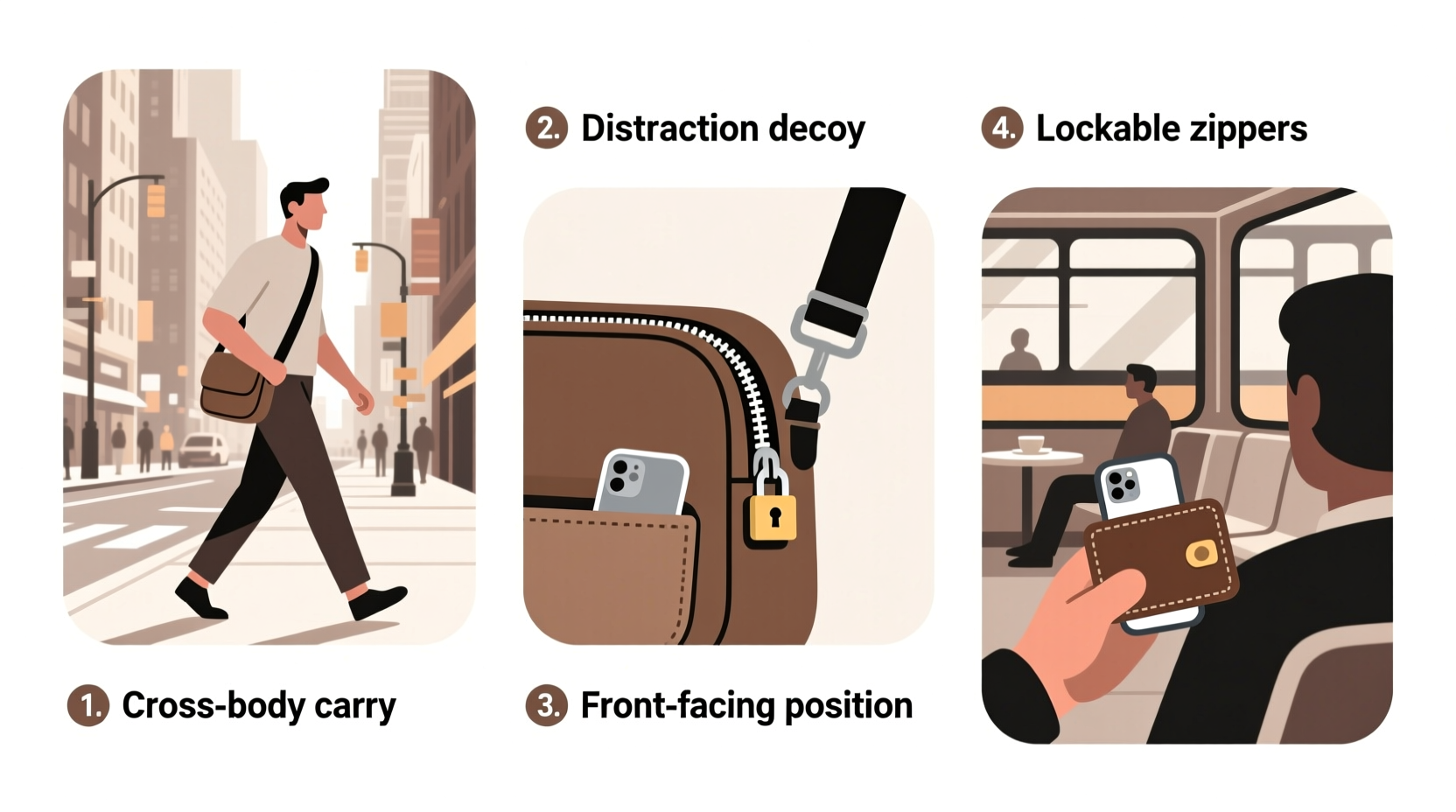
Small bags are popular because they’re lightweight, stylish, and easy to carry. But their very design makes them vulnerable. Many lack secure closures, are worn loosely over the shoulder, or placed on chairs and tables where they’re easily grabbed. Thieves often rely on distraction, speed, and access—three factors that small bags inadvertently facilitate.
According to data from city police departments, over 60% of reported personal thefts in metropolitan areas involve unattended or poorly secured handbags and crossbody bags. Most incidents occur in under 15 seconds, often while the victim is distracted by a phone, map, or conversation.
Choose Theft-Resistant Bag Features
Not all bags are created equal when it comes to security. When selecting or using a small bag, prioritize features that deter tampering and make quick grabs difficult.
| Feature | Security Benefit | Common in These Styles |
|---|---|---|
| Lockable zippers or magnetic locks | Prevents quick access to contents | Crossbody, anti-theft purses |
| Slash-resistant straps | Stops thieves from cutting strap to steal bag | Travel-focused designs |
| RFID-blocking pockets | Protects credit cards and passport from digital skimming | Wallets, minimalist clutches |
| Flat back panel or hidden compartment | Makes it harder to unzip or reach inside unnoticed | Urban commuter bags |
Brands like Pacsafe, Côte & Ciel, and Bellroy specialize in functional, stylish bags with integrated anti-theft technology. Even if you don’t invest in a high-tech model, look for physical cues: double zippers, internal locking clasps, and reinforced stitching.
“Design matters more than people realize. A well-constructed closure can be the difference between peace of mind and a stolen wallet.” — Marcus Tran, Urban Security Consultant
Adopt Smart Carrying Habits
Your behavior plays a bigger role in theft prevention than any gadget. How and where you carry your bag determines its vulnerability.
Front-Carry Rule
Always wear your bag across your body with the flap facing inward, toward your chest. This keeps zippers and pockets out of easy reach and allows you to feel any tugging. In crowded subways or festivals, treat your bag like a front pack—never let it dangle behind you or swing freely at your side.
Keep It Close During Transitions
When boarding public transport, entering shops, or navigating ticket gates, your guard is naturally down. That’s when thieves strike. Hold your bag firmly against your body during these moments. If possible, temporarily zip it shut and place your hand over the main compartment.
Avoid Chair-Dropping
Never hang your bag on the back of a restaurant chair or leave it on a café table. Instead, keep it on your lap, tucked between your legs, or looped around your wrist. If you must set it down, place it inside a coat or jacket draped over your arm.
Step-by-Step Guide: Daily Anti-Theft Routine
Integrating theft prevention into your daily routine takes less than a minute but pays off in long-term security. Follow this simple checklist every time you leave home:
- Before leaving: Pack only essentials—wallet, phone, one card. Less clutter means faster access and fewer losses if stolen.
- Secure all zippers: Double-check that every compartment is closed. Consider adding zipper clips or small padlocks for added resistance.
- Wear the bag correctly: Adjust the strap so the bag sits snugly against your torso, not swinging freely.
- Scan your environment: In busy areas, stay aware of people crowding too close or creating distractions.
- At rest: Keep the bag in front of you, within arm’s reach, even when seated.
- After use: Store your bag in a secure location at home—preferably locked or out of sight from windows.
Real-Life Scenario: The Market Distraction
Sophie, a freelance photographer visiting Barcelona, carried a sleek black crossbody bag through La Boqueria market. Drawn to a stall selling spices, she turned slightly to take a photo. Within seconds, a man bumped into her while another pointed at her bag, shouting something in Spanish. Distracted, Sophie looked away—just long enough for a third person to unzip her side pocket and steal her wallet.
She didn’t realize the theft until minutes later. Though the bag remained on her shoulder, the loss cost her time, money, and travel confidence. A simple adjustment—wearing the bag in front, closing the zipper with a clip, and keeping her phone in her hand rather than fumbling—could have prevented it.
This “distraction trio” tactic is used globally. Awareness and positioning are the best countermeasures.
Checklist: Essential Anti-Theft Actions
- ✅ Carry your bag in front of your body in crowded places
- ✅ Use zipper locks or clips on all compartments
- ✅ Avoid overloading—keep items minimal and organized
- ✅ Choose bags with slash-proof straps and RFID protection
- ✅ Never leave your bag unattended—even for “just a second”
- ✅ Stay alert during transitions (boarding, shopping, ordering food)
- ✅ Mark your bag with a unique identifier (tag, ribbon, stitch)
Frequently Asked Questions
Can small bags ever be truly secure?
Yes—security depends more on how you use the bag than its size. A small bag worn correctly, with locked zippers and minimal valuables, is far safer than a large tote left open on a chair. Focus on behavior and features, not just capacity.
Are anti-theft bags worth the extra cost?
For frequent travelers or city dwellers, yes. Features like cut-resistant materials and locking zippers provide tangible protection. Even basic models under $50 offer better defense than standard fashion bags. Think of it as low-cost insurance for your belongings.
What should I do if my bag is stolen?
Act quickly. Report the theft to local authorities and provide any identifying details (brand, color, unique marks). Contact your bank immediately if cards were inside. If your phone was stolen, use Find My iPhone or Android Device Manager to lock or erase data remotely. Consider carrying a secondary ID or emergency cash in a separate hidden pouch.
Final Thoughts: Make Security Second Nature
Protecting your small bag from theft isn’t about fear—it’s about awareness. Simple changes in how you carry, store, and secure your belongings can prevent life-disrupting losses. The most effective strategies are invisible until needed: a zipper pulled tight, a strap adjusted across your chest, a moment of attention in a busy crowd.
You don’t need to carry a bulky backpack or avoid stylish accessories. You just need to be intentional. By combining smart gear with mindful habits, you reclaim control over your personal space and possessions.




 浙公网安备
33010002000092号
浙公网安备
33010002000092号 浙B2-20120091-4
Comments
No comments yet. Why don't you start the discussion?