
In an age where digital theft is as real a threat as physical loss, many assume RFID-blocking wallets are the only way to protect credit card data. But what if you prefer a sleek, minimalist wallet that doesn’t include built-in shielding? You’re not out of options. With smart organization, behavioral habits, and strategic layering, you can keep your cards safe—even without RFID protection. This guide reveals practical, field-tested methods to secure your credit cards inside compact wallets while maintaining ease of access and peace of mind.
Why RFID Protection Isn’t Always Necessary (And What Matters More)
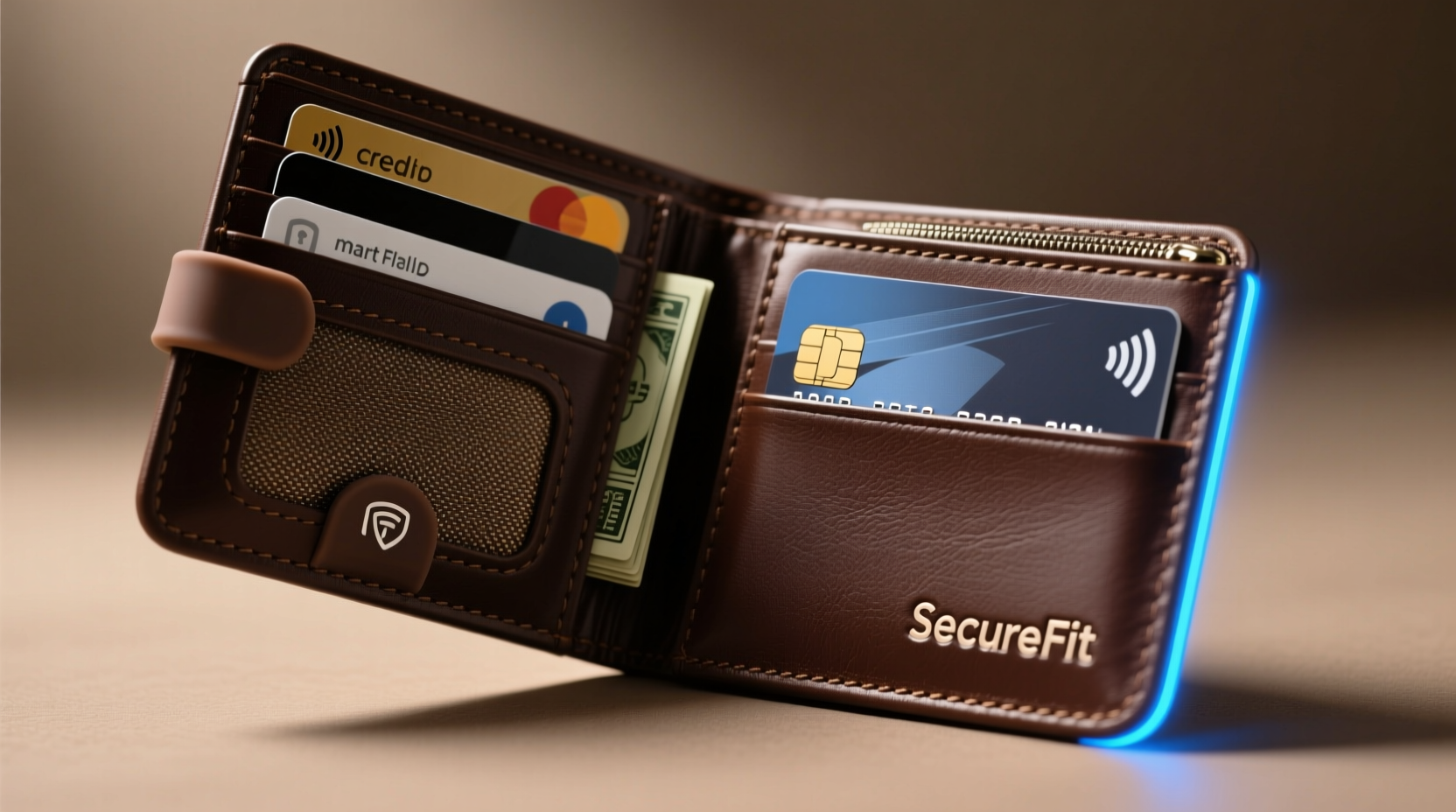
RFID (Radio Frequency Identification) technology allows contactless payments by transmitting card data over short distances. While RFID skimming—where thieves use handheld devices to steal card details wirelessly—is technically possible, it remains rare in most urban environments. Security researchers, including those at the Federal Trade Commission (FTC), note that actual cases of RFID fraud are minimal compared to phishing, data breaches, or physical theft.
What poses a far greater risk is losing your wallet altogether or having it stolen. A slim wallet without RFID shielding isn’t inherently unsafe—it just requires smarter handling. The key lies in minimizing exposure, limiting accessible data, and adopting habits that reduce vulnerability.
“Most identity theft begins with lost or stolen wallets, not silent electronic scanning. Physical control matters more than electromagnetic shielding.” — David Lin, Cybersecurity Analyst at Urban Trust Labs
Organize Cards Strategically: The Layered Defense Approach
Even without RFID blocking, how you arrange your cards affects both security and usability. Use physical separation and placement to create natural barriers.
Magnetic strips and EMV chips don’t emit signals, but contactless-enabled cards do when activated by a reader. By sandwiching these between non-RFID items, you reduce the chance of accidental or unauthorized reads. Consider this internal layout for optimal protection:
- Outer slots (easiest access): Driver’s license, office badge, public transit card.
- Middle compartment: Primary credit card behind a thick card sleeve or beneath a metal rewards card.
- Back panel or hidden slot: Backup card or emergency cash, least accessible.
This layered method ensures that even if someone attempts a quick scan, they’re more likely to read less sensitive information first—giving you time to notice suspicious behavior.
Step-by-Step: How to Audit and Secure Your Wallet Daily
Security starts with awareness. Follow this routine each morning to ensure your wallet is both functional and protected.
- Remove unnecessary cards. Carry only what you need for the day. Leave unused credit lines at home.
- Check expiration dates and activity. Quickly review recent transactions via your banking app before leaving.
- Position cards intentionally. Reinsert your main card into the shielded middle slot after checking.
- Use a secondary barrier. If your wallet has a coin pouch or fold-over flap, ensure it’s closed—adding bulk makes pickpocketing harder.
- Verify location habitually. After sitting down in public (cafes, transit, restaurants), confirm your wallet is still secure.
This five-minute audit builds vigilance without slowing you down. Over time, it becomes second nature—much like checking your phone or keys.
Do’s and Don’ts: Smart Wallet Habits Without RFID Protection
| Do | Don’t |
|---|---|
| Carry a decoy card in an outer slot to mislead casual scanners. | Store all cards in one easily accessible stack. |
| Use a money clip combo to separate your main card physically from the rest. | Keep your wallet in a back pocket in crowded areas. |
| Enable transaction alerts on your bank apps for instant fraud detection. | Assume no one can skim your card because “it hasn’t happened yet.” |
| Rotate cards weekly so no single card is always exposed. | Use contactless payment in high-risk zones (e.g., tourist-heavy markets). |
Mini Case Study: How Sarah Reduced Her Risk with Minimal Changes
Sarah, a graphic designer in Portland, carried a minimalist bifold wallet without RFID protection. After reading about digital theft, she grew concerned—but didn’t want to switch to a bulky alternative. Instead, she implemented small changes:
- She removed her backup credit card and stored it at home.
- She placed her driver’s license and gym membership card on either side of her Visa.
- She enabled real-time push notifications from her bank.
- She started carrying her wallet in a front pants pocket instead of her bag.
Three weeks later, she received an alert for a $127 purchase in another state—attempted fraud detected within seconds. The transaction was blocked immediately. While the card wasn’t skimmed from her wallet, the habits she adopted allowed her to respond fast. “I realized,” she said, “that protection isn’t just about the wallet—it’s about staying connected to my accounts.”
Essential Checklist: Securing Cards Without RFID Blocking
✅ Your Action Plan:
- Limit carried cards to 1–2 active ones
- Sandwich contactless cards between non-RFID cards
- Enable real-time transaction alerts
- Carry wallet in front pocket or secured inner bag compartment
- Audit wallet contents weekly
- Freeze or lock cards remotely via mobile app when not in use
- Use virtual card numbers for online purchases
Frequently Asked Questions
Can someone really steal my credit card info just by walking past me?
While theoretically possible, successful RFID skimming requires close proximity (within 2–4 inches), sustained contact, and specialized equipment. Most reported cases involve controlled tests, not real-world theft. Your greatest risks remain lost or stolen wallets, phishing scams, and data breaches.
Is aluminum foil a reliable DIY RFID blocker?
Wrapping cards in foil can block signals, but it’s impractical for daily use and damages cards over time. A better solution is using a metal business card or stacking multiple cards together to disrupt signal clarity without compromising accessibility.
Should I stop using contactless payments entirely?
No. Contactless payments are encrypted and often safer than swiping. The convenience outweighs the minimal risk—especially when combined with monitoring tools like instant alerts and remote card locking.
Final Thoughts: Security Is a Habit, Not Just a Feature
You don’t need an RFID-blocking wallet to stay protected. Real security comes from awareness, organization, and proactive account management. A compact wallet can be just as safe—if you treat card protection as an ongoing practice rather than a one-time purchase. Choose what fits your lifestyle, but never compromise on vigilance.




 浙公网安备
33010002000092号
浙公网安备
33010002000092号 浙B2-20120091-4
Comments
No comments yet. Why don't you start the discussion?