
Waking up to flat, frizzy, or undefined curls is a common frustration for anyone with textured hair. The truth is, how you treat your curls at night determines their health and appearance the next day. With the right techniques, it’s entirely possible to protect your curl pattern, retain moisture, and prevent breakage—all while you sleep. The key lies in understanding your hair’s needs and adopting habits that support its natural structure.
Curl-friendly nighttime routines go beyond simply wrapping your hair. They involve strategic preparation, protective styling, and gentle materials that minimize friction and stress. Whether you have loose waves or tight coils, these methods are designed to work with your unique texture, not against it.
Understanding Why Curls Frizz Overnight
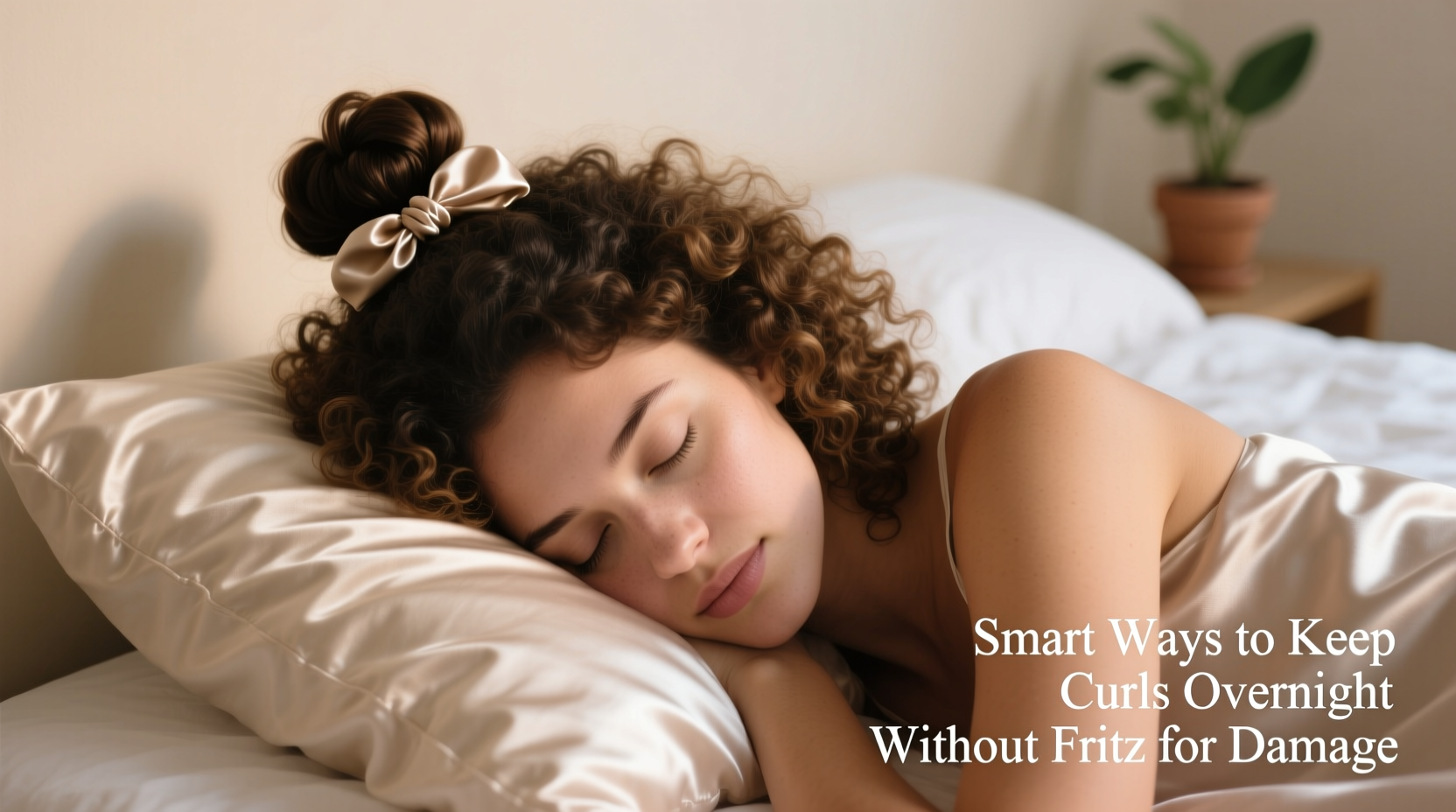
Frizz doesn’t happen by accident—it’s usually the result of moisture loss, mechanical damage, or environmental exposure during sleep. Cotton pillowcases absorb moisture from your hair, leaving strands dry and prone to puffiness. Tossing and turning creates friction, disrupting curl formation and leading to tangles. Additionally, sleeping with loose hair can stretch delicate curl patterns, especially near the roots and crown.
Curly hair naturally has a raised cuticle layer, which makes it more porous and vulnerable to external stressors. Without protection, humidity, sweat, and even airflow from fans or AC units can disrupt curl definition. The solution isn’t to avoid sleep—but to transform your bedtime routine into a restorative ritual.
The Right Way to Prep Hair Before Bed
Preparation is half the battle. Starting your nighttime routine with clean, hydrated hair sets the foundation for lasting curl integrity. If your hair is dry or tangled before bed, no protective style will fully compensate.
- Apply a leave-in conditioner or curl cream to damp or dry hair to lock in moisture. Focus on mid-lengths and ends, where dryness is most common.
- Detangle gently using a wide-tooth comb or fingers. Start from the ends and work upward to minimize breakage.
- Refresh with a water-based spray if your curls feel stiff or dehydrated. A mix of water and a few drops of glycerin (for humid climates) or oil (for dry climates) can revive definition.
- Avoid heavy products like butters or waxes unless diluted—they can build up and weigh down curls over time.
Experts emphasize that timing matters. “Hair is most vulnerable when wet,” says Dr. Monique James, trichologist and founder of Healthy Curl Science. “If you’re applying products at night, make sure they’re lightweight and non-stripping. Heavy silicones or alcohol-based sprays can lead to brittleness over time.”
“Consistent overnight care reduces daily manipulation, which is one of the biggest causes of curl damage.” — Dr. Monique James, Trichologist
Top Protective Styles for Sleeping with Curls
Choosing the right protective style is essential for preserving curl shape and minimizing friction. Not all styles suit every hair type, so consider your length, density, and curl pattern when selecting a method.
| Style | Best For | How To Do It | Duration |
|---|---|---|---|
| Pineapple Method | Medium to long hair | Gather hair into a loose high ponytail on top of head, secure with satin scrunchie | Nightly |
| Silk Bonnet Wrap | All lengths and textures | Smooth hair back, cover completely with adjustable satin bonnet | Nightly |
| Twist-Out or Braid Sleep | Short to medium hair | Divide into 4–6 sections, twist loosely, unravel in morning for defined waves | Every 2–3 nights |
| Loose Top Knot (Satin) | Thick, voluminous hair | Twist hair loosely into a knot at the crown, wrap with satin scarf | Nightly |
| Shingle Plopping | Shoulder-length or longer | Layer sections of hair over each other like roof shingles, secure with satin scarf | As needed |
The pineapple method is especially effective for maintaining volume and spring. By positioning curls on top of your head, you prevent them from flattening against the pillow. Pair this with a satin scrunchie to avoid creasing or snagging.
Real Routine: How Lila Maintains Her 3C Curls
Lila, a graphic designer from Atlanta, struggled for years with inconsistent curl definition. “I’d spend hours styling my hair only to wake up with a frizzy mess,” she recalls. After consulting a curl specialist, she adopted a new nightly system.
Three times a week, after washing, she applies a leave-in conditioner and seals with a pea-sized amount of argan oil. She then sections her hair into four parts and does two-strand twists from root to tip. In the morning, she unravels the twists, scrunches out any crunch from product, and refreshes with a water-oil mist.
On off-wash days, she uses the pineapple method under a silk bonnet. “It took two weeks to get used to, but now my curls last four days instead of one. I’ve cut down on heat styling completely,” she says.
Lila’s transformation highlights a crucial point: consistency beats perfection. Small, repeatable actions yield better long-term results than occasional intensive treatments.
Common Mistakes That Damage Curls at Night
Even with good intentions, certain habits can undermine your efforts. Avoid these common pitfalls:
- Sleeping on cotton pillowcases—they absorb moisture and create friction.
- Tight hairstyles—pulling hair back too tightly can cause traction alopecia over time.
- Skipping detangling—going to bed with knots leads to breakage during movement.
- Using synthetic fabrics—polyester scarves or bonnets generate static and cling to strands.
- Overusing gels or creams—product buildup can clog pores and dull curls.
Another overlooked issue is scalp hygiene. If you're wearing a bonnet or scarf nightly, wash it weekly. Oil, sweat, and residue accumulate quickly, increasing the risk of folliculitis or odor.
Step-by-Step Guide: Your 10-Minute Nightly Curl Routine
This efficient routine takes less than ten minutes and can be adapted for any curl type:
- Step 1: Assess hydration (2 min) – Run fingers through hair. If it feels dry or brittle, spritz with a water-based refresher.
- Step 2: Detangle (3 min) – Use fingers or a wide-tooth comb, starting at ends and moving upward.
- Step 3: Apply light serum or oil (1 min) – Focus on ends; avoid overloading the scalp.
- Step 4: Choose protective style (3 min) – Pineapple, twist, or bonnet—pick based on your hair’s needs.
- Step 5: Adjust pillow and environment (1 min) – Ensure silk pillowcase is smooth and bedroom humidity is balanced.
Repeat this sequence consistently, adjusting product amounts based on season—lighter in summer, richer in winter.
Frequently Asked Questions
Can I sleep with wet hair?
Yes, but with caution. Wet hair is more fragile and prone to breakage. If you must sleep on damp hair, use a microfiber towel or t-shirt to plop first, then apply a leave-in conditioner and protect with a bonnet. Avoid tight styles that pull on saturated strands.
How often should I wash my silk bonnet?
Every 5–7 nights, or sooner if you use heavy oils or live in a humid climate. Hand wash with mild shampoo and air dry to preserve fabric integrity.
Is it bad to wrap hair every night?
No—when done correctly, nightly wrapping prevents damage. Just ensure your method is low-tension and uses soft materials. Rotate styles to avoid putting stress on the same areas.
Final Thoughts: Make Protection a Habit, Not a Chore
Healthy curls aren’t the result of a single perfect routine—they emerge from consistent, intelligent care. Overnight protection is one of the most impactful things you can do to maintain definition, reduce frizz, and extend the life of your natural texture. By switching to silk, refining your pre-sleep prep, and choosing styles that support rather than strain your hair, you’ll see visible improvements in just a few weeks.
Start tonight. Swap out your cotton pillowcase, gather a satin scrunchie, and try the pineapple method. Small changes compound into lasting results. Your curls deserve the same attention during sleep as they do during styling.




 浙公网安备
33010002000092号
浙公网安备
33010002000092号 浙B2-20120091-4
Comments
No comments yet. Why don't you start the discussion?