
Sleep is a cornerstone of health, influencing everything from cognitive performance to immune function. As more people turn to wearables for insights into their well-being, smartwatches have become go-to tools for monitoring sleep. But how reliable are these devices? Are they delivering meaningful data, or are they merely educated guesswork masked as precision? The answer lies somewhere in between—shaped by technology, physiology, and user behavior.
Manufacturers like Apple, Fitbit, Garmin, and Samsung promote advanced sleep tracking as a key feature. These devices claim to measure sleep stages (light, deep, REM), duration, interruptions, and even blood oxygen levels. Yet independent studies and medical experts suggest that while smartwatches offer valuable trends over time, they fall short of clinical accuracy. Understanding the gap between convenience and precision is essential for anyone relying on this data to improve their rest.
How Smartwatches Track Sleep: The Technology Behind the Numbers
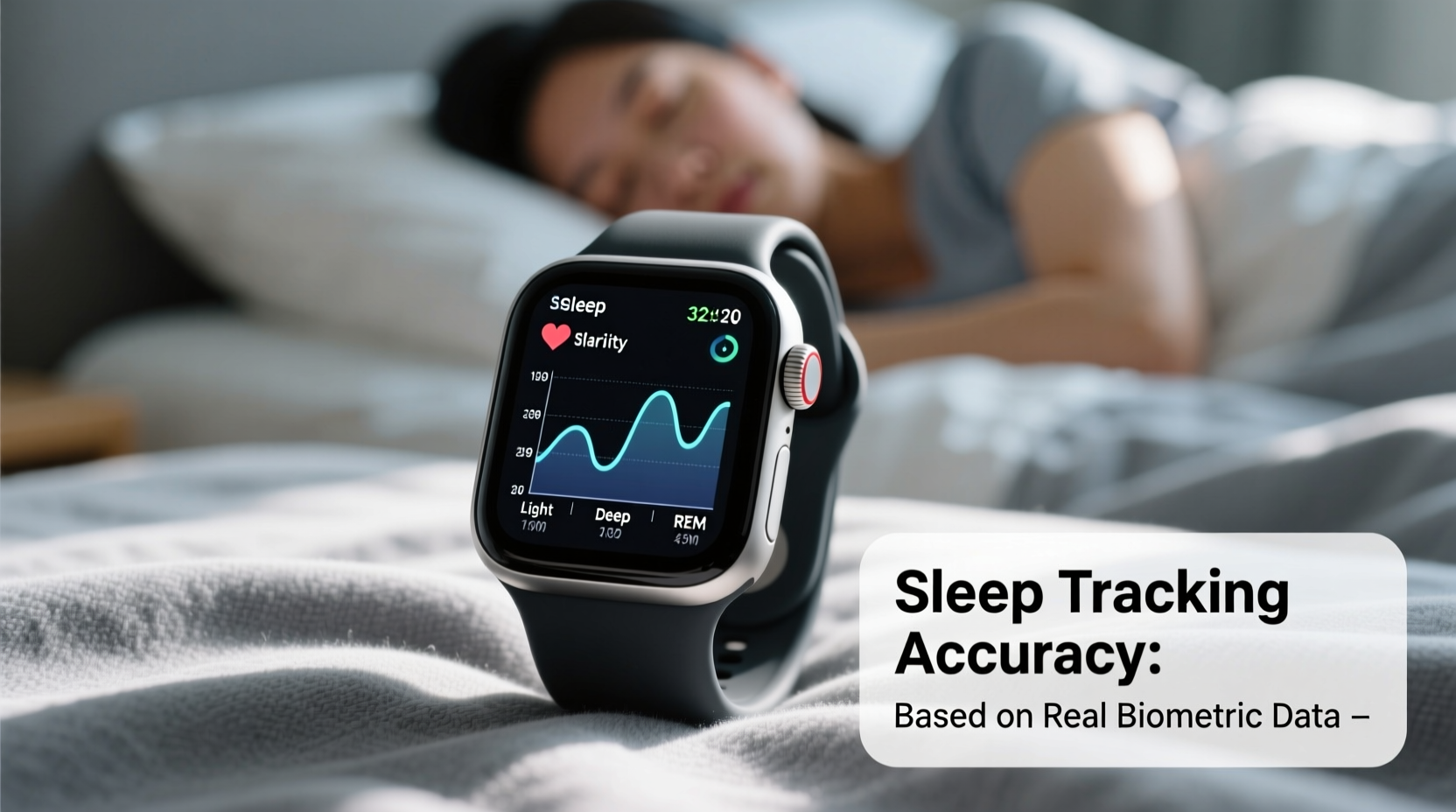
Smartwatches use a combination of sensors and algorithms to estimate sleep patterns. Unlike polysomnography—the gold standard for sleep analysis conducted in labs—wearables rely on indirect measurements collected through:
- Accelerometers: Detect movement to determine whether you’re asleep or awake. Minimal motion suggests sleep; frequent stirring may indicate light sleep or wakefulness.
- Heart Rate Monitors (PPG): Use photoplethysmography (light-based sensors) to track heart rate variability (HRV). Changes in HRV correlate with different sleep stages—slower, steadier rhythms often signal deep sleep.
- SpO2 Sensors: Measure blood oxygen saturation, useful for detecting potential breathing disruptions like apnea episodes during sleep.
- Temperature Sensors: Some newer models monitor skin temperature changes, which can reflect circadian rhythm shifts.
These inputs feed into proprietary algorithms trained on datasets of known sleep patterns. The device then categorizes your night into segments: awake, light sleep, deep sleep, and REM. However, because these systems infer rather than directly observe brain activity (via EEG), they lack the definitive biomarkers used in clinical sleep studies.
“Consumer wearables provide useful longitudinal trends but should not be used to diagnose sleep disorders.” — Dr. Rebecca Robbins, Sleep Scientist, Harvard Medical School
Accuracy vs. Clinical Standards: What Research Says
Multiple peer-reviewed studies have evaluated the validity of consumer-grade smartwatches against polysomnography. While results vary by brand and model, several consistent findings emerge:
- Most devices accurately detect total sleep time within a 10–15 minute margin under ideal conditions.
- Differentiation between light and deep sleep remains inconsistent, with error rates exceeding 30% in some trials.
- REM detection is particularly unreliable due to the absence of eye movement tracking (EOG) and brainwave monitoring.
- Devices tend to overestimate sleep duration in individuals with insomnia or fragmented sleep.
A 2022 meta-analysis published in *Sleep Medicine Reviews* concluded that while wrist-worn trackers perform reasonably well in healthy adults with regular sleep schedules, their accuracy diminishes significantly in older populations, those with sleep disorders, and people who move frequently during sleep.
One major limitation is algorithmic opacity. Companies rarely disclose how their software interprets sensor data. This makes it difficult to assess bias, calibration methods, or population representativeness in training data. For example, an algorithm trained primarily on young, athletic users may misinterpret sleep patterns in older or medically complex individuals.
Comparing Top Brands: A Performance Overview
Different manufacturers employ varying degrees of sophistication in their sleep tracking systems. Below is a comparative summary based on independent testing and published research:
| Brand/Model | Sleep Stages Tracked | SpO2 Monitoring | Clinical Validation | User Feedback Accuracy |
|---|---|---|---|---|
| Fitbit Sense 2 | Yes (with % breakdown) | Yes (sleep apnea score) | Partially FDA-cleared algorithms | High – consistent trend reporting |
| Apple Watch Series 9 | Yes (via third-party apps + core sleep) | No built-in overnight SpO2 | Limited public validation | Moderate – better for duration than stages |
| Garmin Venu 3 | Yes (Body Battery & nap tracking) | Yes (Pulse Ox during sleep) | Some studies support HRV accuracy | Good – strong long-term consistency |
| Samsung Galaxy Watch 6 | Yes (detailed stage breakdown) | Yes (with snore detection) | Partnered with sleep clinics | High – integrates with phone mic |
| Whoop 4.0 | Yes (strain/recovery focus) | Yes (continuous SpO2) | Used in athlete studies | Very high – favored by biohackers |
Fitness-focused platforms like Fitbit and Whoop lead in sleep analytics due to longer histories in biometric tracking. Apple lags slightly in depth but benefits from seamless integration across its ecosystem. Meanwhile, Samsung leverages microphone input to detect snoring—a unique edge in identifying possible obstructive sleep apnea symptoms.
When Data Helps—and When It Misleads
The value of smartwatch sleep tracking depends heavily on context. For general wellness users, seeing a drop in deep sleep after late-night screen exposure can prompt healthier habits. But when users fixate on imperfect metrics—like obsessing over missing 8 minutes of REM—they risk developing orthosomnia, a condition characterized by anxiety about achieving perfect sleep scores.
In one documented case, a 38-year-old software engineer began restricting his bedtime based on his watch’s “poor recovery” alerts. Despite feeling rested, he cut social activities and shifted work hours to chase higher sleep scores. After consulting a sleep specialist, it was determined that his actual sleep architecture was normal; the device had amplified minor fluctuations into perceived deficits.
This highlights a critical distinction: smartwatches excel at showing trends over weeks or months but struggle with single-night precision. They are best used as motivational tools, not medical instruments.
Mini Case Study: Improving Sleep Hygiene Through Wearable Feedback
Jessica, a 45-year-old teacher, started using a Garmin watch to understand her fatigue. Initially skeptical, she noticed a recurring pattern: her deep sleep dropped by nearly 40% on nights she consumed alcohol. Though she believed one glass of wine helped her fall asleep faster, the data revealed disrupted second-half sleep and lower HRV.
Armed with this insight, she experimented with eliminating alcohol three days before school week. Within two weeks, her average deep sleep increased from 68 to 92 minutes, and she reported sharper focus in class. Her experience underscores how trend-based feedback—even if not lab-accurate—can drive meaningful behavioral change.
Maximizing Accuracy: A Step-by-Step Guide
You can’t make a smartwatch as accurate as a sleep lab, but you can optimize its readings for greater reliability. Follow these steps:
- Wear the Watch Consistently: Put it on at least 30 minutes before bed and keep it charged above 30%. Loose fit or low battery affects sensor performance.
- Calibrate with Real Habits: Manually log bedtime and wake time in the companion app for a week. Compare it to the device’s report to gauge baseline accuracy.
- Enable All Relevant Sensors: Turn on SpO2, heart rate monitoring, and sleep sensitivity settings. Disable power-saving modes overnight.
- Sync with Environmental Cues: Pair your watch data with notes on caffeine intake, stress levels, or screen time to identify correlations.
- Analyze Weekly Averages: Avoid reacting to one-off readings. Focus on 7-day rolling averages for sleep duration and deep sleep percentage.
- Cross-Check Occasionally: Use a voice recorder app to capture nighttime awakenings or partner observations about snoring.
FAQ: Common Questions About Smartwatch Sleep Tracking
Can a smartwatch detect sleep apnea?
Some watches, like Fitbit and Samsung models, include SpO2 monitoring and flag frequent oxygen desaturations as potential signs of sleep apnea. While helpful as a screening tool, they cannot replace a formal sleep study. If your device repeatedly alerts you to breathing irregularities, consult a physician for proper diagnosis.
Why does my watch say I was asleep when I was lying awake?
This is common, especially if you were still. Accelerometers interpret lack of movement as sleep. To reduce false positives, ensure the watch fits snugly (but not tightly) and consider using a dedicated sleep app that allows manual correction of sleep logs.
Is REM sleep data trustworthy on wearables?
Not entirely. Without measuring rapid eye movements or brain waves, REM estimation relies on heart rate patterns and movement. Studies show moderate correlation but poor specificity. Use REM trends cautiously and prioritize total sleep quality over isolated stage percentages.
Expert Insight: Bridging the Gap Between Tech and Medicine
Dr. Michael Grandner, director of the Sleep and Health Research Program at the University of Arizona, emphasizes the evolving role of wearables:
“These devices aren’t replacements for clinical tools, but they’re opening doors to population-level sleep research. When millions of people generate nightly data, we start seeing patterns that labs alone could never capture.” — Dr. Michael Grandner
He adds that future integration with telehealth platforms could allow doctors to review patient-generated sleep trends alongside traditional assessments, creating a more holistic view of health.
Conclusion: Knowledge Is Power—But Context Is King
Smartwatch sleep tracking isn’t pure guesswork—it’s grounded in real biometrics and increasingly refined algorithms. However, it’s also not medical-grade science. Its true strength lies in accessibility and continuity, offering users a window into long-term habits they might otherwise overlook.
To get the most out of your device, treat the data as a starting point for inquiry, not a final verdict. Combine it with self-awareness, lifestyle adjustments, and professional guidance when needed. Over time, even imperfect metrics can illuminate powerful truths about your body’s rhythms.




 浙公网安备
33010002000092号
浙公网安备
33010002000092号 浙B2-20120091-4
Comments
No comments yet. Why don't you start the discussion?