
In an era where technology is woven into daily routines, the wrist has become a battleground between tradition and innovation. On one side, the classic watch—timeless, elegant, and enduring. On the other, the smartwatch—packed with sensors, notifications, and relentless data collection. But beyond aesthetics and convenience, a deeper question emerges: does the constant stream of health and activity tracking from a smartwatch genuinely improve your quality of life?
The promise is compelling: sleep scores, heart rate trends, step counts, stress levels, and even blood oxygen monitoring. Yet, for many users, these metrics fade into background noise after the novelty wears off. The real value lies not in the data itself, but in how it’s interpreted, acted upon, and integrated into meaningful behavior change.
The Allure of Data: What Smartwatches Track
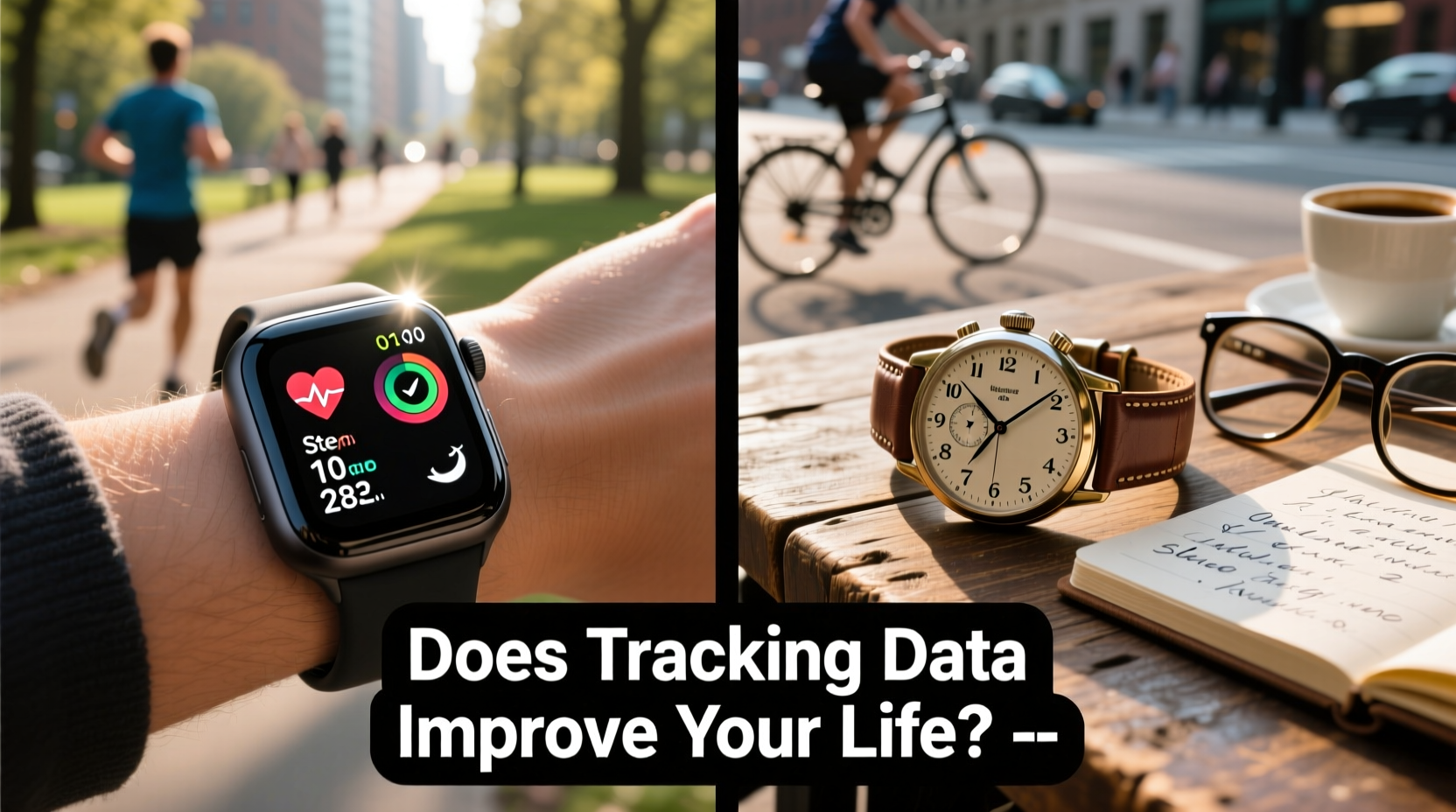
Modern smartwatches monitor a wide array of physiological and behavioral metrics. These include:
- Heart rate (continuous and resting)
- Step count and distance traveled
- Sleep duration and stages (light, deep, REM)
- Blood oxygen saturation (SpO2)
- Stress levels via HRV (heart rate variability)
- Workout detection and calorie burn estimates
- Menstrual cycle tracking
- ECG readings (on select models)
This data is aggregated into dashboards that aim to provide insight into overall wellness. However, accuracy varies. While basic step counting and heart rate are generally reliable under controlled conditions, more advanced metrics like sleep staging or stress scores rely on algorithms that may not reflect clinical precision.
The Psychological Impact of Constant Monitoring
Continuous feedback can be both motivating and overwhelming. Behavioral psychology suggests that immediate feedback loops reinforce habits—seeing a step count rise encourages walking. But there’s a downside: data obsession.
Some users develop anxiety around their numbers. Falling short of a sleep goal or missing a workout target can trigger guilt, even when external factors—work stress, illness, or family obligations—are at play. This phenomenon, sometimes called “orthosomnia,” refers to the unhealthy fixation on achieving perfect sleep scores.
“We’re seeing patients who are more stressed about their sleep data than they are about actual rest.” — Dr. Rebecca Turner, Sleep Specialist at Pacific Wellness Institute
Meanwhile, classic watches offer none of this pressure. They tell time with quiet reliability. Their simplicity can be a form of mindfulness—an antidote to the digital overload that defines modern life.
Comparative Analysis: Smartwatch vs Classic Watch
| Feature | Smartwatch | Classic Watch |
|---|---|---|
| Primary Function | Timekeeping + health/fitness tracking + notifications | Timekeeping only |
| Data Collection | Comprehensive (steps, HR, sleep, etc.) | None |
| Lifespan | 3–5 years (battery degradation, software obsolescence) | Decades (with servicing) |
| Daily Maintenance | Charging required (daily or every few days) | Occasional winding or battery replacement |
| Aesthetic Value | Functional, tech-forward | Timeless, often heirloom-quality |
| Health Impact | Potential for behavior change if used mindfully | No direct health impact |
| Mental Load | Higher (notifications, goals, alerts) | Negligible |
When Tracking Data Leads to Real Change
Data only improves life when it leads to action. Consider the case of Marcus, a 42-year-old software engineer who received his first smartwatch as a gift. Initially skeptical, he began noticing irregularities in his overnight heart rate. Over several weeks, the data showed frequent spikes during sleep. Concerned, he consulted his physician. Further testing revealed undiagnosed sleep apnea.
In Marcus’s case, passive monitoring led to early intervention. Without the persistent data trail, the condition might have gone unnoticed for years. This is the ideal scenario: data acts as an early warning system, prompting medical evaluation and treatment.
But such outcomes are not universal. For most users, tracking reinforces existing habits rather than transforming them. Walking more because you see a low step count is beneficial—but only if it becomes sustainable. The danger lies in gamification without follow-through. Achieving a weekly activity ring doesn’t matter if behavior resets once the challenge ends.
Step-by-Step Guide: Turning Data Into Sustainable Habits
- Define a clear goal: Instead of “be healthier,” choose “walk 8,000 steps daily” or “reduce average resting heart rate by 5 BPM in 8 weeks.”
- Select 1–2 key metrics: Focus on what aligns with your goal. Don’t drown in data.
- Review weekly, not hourly: Check trends every Sunday. Avoid checking stats obsessively throughout the day.
- Pair insights with action: If sleep data shows poor deep sleep, experiment with earlier bedtimes or reduced screen use before bed.
- Reassess monthly: Are you progressing? Do adjustments need to be made? Is the data still useful?
- Kick the crutches when ready: Once habits are automatic, consider using a classic watch. Let intrinsic motivation replace extrinsic tracking.
The Enduring Value of the Classic Watch
While smartwatches emphasize function through data, classic watches speak to identity and intentionality. Wearing a mechanical timepiece often reflects a mindset: presence over productivity, craftsmanship over consumption.
There’s no battery to charge, no software updates, no pressure to meet daily goals. It simply keeps time—a subtle reminder to live within it. In mindfulness circles, this is seen as a virtue. The absence of distraction allows space for reflection, conversation, and uninterrupted focus.
Moreover, classic watches often appreciate in value. A well-maintained Rolex or Omega can become a family heirloom. In contrast, a smartwatch depreciates rapidly, becoming obsolete as newer models launch annually.
Expert Insight: Balancing Technology and Simplicity
“The best wearable is the one you’ll use consistently and thoughtfully. But don’t confuse data collection with self-knowledge. True wellness comes from listening to your body—not just your device.” — Dr. Alan Zhou, Digital Health Researcher at Stanford Medicine
Dr. Zhou emphasizes that while wearables can enhance awareness, they should complement—not replace—internal cues. Fatigue, mood, energy levels, and hunger are signals no algorithm can fully replicate. Over-reliance on devices risks disconnecting users from their innate bodily wisdom.
Checklist: Choosing the Right Watch for Your Lifestyle
- ✅ Do you want constant health insights and reminders?
- ✅ Are you committed to reviewing data and acting on it?
- ✅ Do you charge devices daily without frustration?
- ✅ Do you value integration with phone apps and calendars?
- ✅ Are you comfortable with planned obsolescence?
- ✅ Do you prioritize timeless design and longevity?
- ✅ Do you prefer minimal distractions and low maintenance?
- ✅ Is your goal more about expression than optimization?
If the first five resonate, a smartwatch may serve you well. If the latter four align more closely, a classic watch could be the better fit.
Frequently Asked Questions
Can a smartwatch detect serious health issues?
Yes, in some cases. Smartwatches have helped identify atrial fibrillation, irregular heart rhythms, and significant changes in blood oxygen. However, they are not medical devices. Any concerning readings should be followed up with a healthcare provider.
Is wearing a smartwatch every day safe?
Generally, yes. Most emit very low levels of electromagnetic radiation. Some users report skin irritation from prolonged contact, especially during exercise. Taking breaks and cleaning the band regularly can mitigate this.
Can I get the same benefits without a smartwatch?
Absolutely. Journaling, mindful movement, consistent sleep routines, and regular check-ups provide similar—or better—insights without dependency on technology. Devices can support these practices but aren’t required for success.
Conclusion: Tools, Not Truths
The debate between smartwatches and classic watches isn’t really about timekeeping—it’s about philosophy. One represents constant optimization, the other, quiet presence. Neither is inherently superior. The key is alignment: does your choice reflect how you want to live?
Tracking data can improve your life, but only if it leads to meaningful action. When used with intention, a smartwatch can spotlight hidden patterns, encourage better habits, and even save lives. But when misused, it fosters anxiety, comparison, and digital dependency.
On the other hand, a classic watch won’t track your steps, but it might help you reclaim your attention. In a world of endless pings and performance metrics, sometimes the most radical act is simply to exist in the moment—without measurement.
The future of personal wellness may not lie in choosing one over the other, but in knowing when to switch. Use a smartwatch to build awareness, then transition to a classic watch once habits are ingrained. Let technology serve you—without defining you.




 浙公网安备
33010002000092号
浙公网安备
33010002000092号 浙B2-20120091-4
Comments
No comments yet. Why don't you start the discussion?