
Earwax, or cerumen, is a natural substance produced by glands in the ear canal. Its purpose is protective: trapping dust, bacteria, and foreign particles while lubricating the delicate skin inside the ear. While earwax typically has a mild, slightly oily scent, some people notice a strong, unpleasant odor coming from their ears. This can be alarming, but in many cases, it’s not a cause for immediate concern—though it may signal an underlying issue that needs attention.
A foul smell from the ear is rarely due to earwax alone. Instead, it often indicates infection, trapped moisture, or long-term buildup that has become a breeding ground for bacteria or fungi. Understanding the root cause of smelly earwax is essential to choosing the right treatment and avoiding complications like hearing loss or chronic ear pain.
What Causes Smelly Earwax?
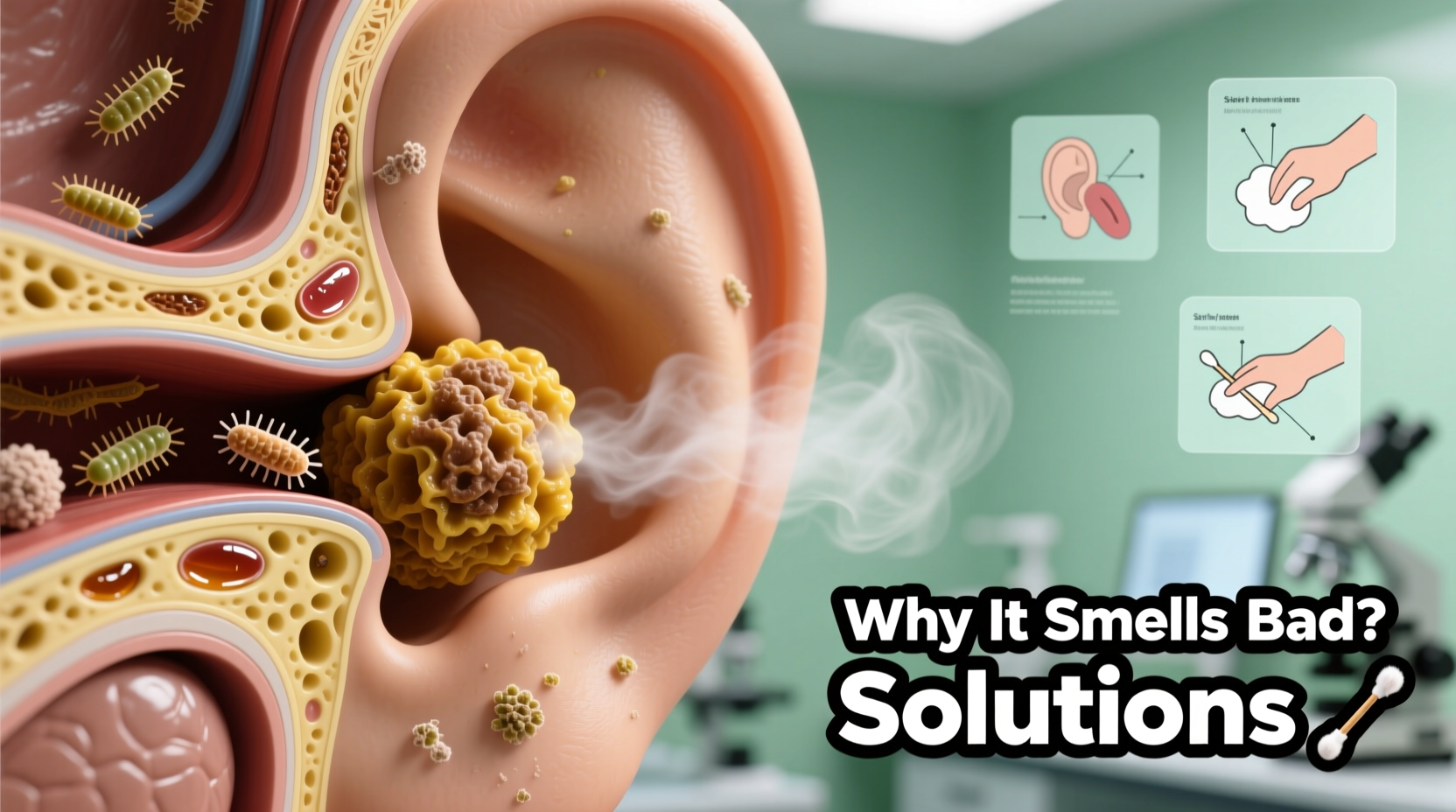
Normal earwax varies in color and consistency—from light yellow and sticky to dark brown and flaky—but it should not produce a strong, offensive odor. When earwax starts to smell bad, it's usually because something has changed in the ear environment. Below are the most common causes:
- Ear Infections (Otitis Externa or Media): Bacterial or fungal infections in the outer or middle ear can lead to pus formation, inflammation, and foul-smelling discharge that mixes with earwax.
- Trapped Water: Moisture left in the ear after swimming or showering creates a damp environment ideal for bacterial and fungal growth, which can break down wax and produce odor.
- Impacted Earwax: When wax builds up and becomes compacted, it can trap bacteria and dead skin cells, leading to decomposition and a rancid smell.
- Foreign Objects: Especially in children, small objects inserted into the ear can rot over time, causing infection and odor.
- Skin Conditions: Eczema or seborrheic dermatitis in the ear canal can increase oil and dead skin production, contributing to odor when combined with bacteria.
- Poor Ear Hygiene: Infrequent cleaning—or excessive cleaning with cotton swabs—can disrupt the ear’s self-cleaning mechanism and promote odor-causing buildup.
“An unpleasant odor from the ear is not normal and should be evaluated. It often points to infection or retained material that requires medical care.” — Dr. Lena Reyes, Otolaryngologist
When to See a Doctor
While occasional odor might resolve on its own, certain symptoms indicate the need for professional evaluation. Don’t ignore these warning signs:
Symptoms That Require Medical Attention
- Persistent bad smell lasting more than a few days
- Ear pain or pressure
- Fluid drainage (especially if yellow, green, or bloody)
- Hearing loss or muffled sound in one ear
- Itching, redness, or swelling in the ear canal
- Fever accompanying ear discomfort
If you experience any of these, especially in combination, consult a healthcare provider. An otoscope exam can determine whether you have an infection, perforated eardrum, or impacted wax requiring removal.
Safe Ways to Address Smelly Earwax at Home
In mild cases—where there’s no pain, discharge, or hearing loss—you may try gentle home remedies to reduce odor and support natural ear cleaning. However, caution is critical. The ear is self-cleaning, and aggressive methods can do more harm than good.
Step-by-Step: Safe At-Home Care
- Use Warm Water Flush: After a shower, tilt your head and gently irrigate the ear with lukewarm water using a soft rubber bulb syringe. Do this once a week if prone to buildup.
- Apply Ear Drops: Over-the-counter solutions containing carbamide peroxide can soften wax. Use as directed for 3–5 days.
- Dry Ears Thoroughly: After swimming or bathing, dry the outer ear with a towel. Tilt your head and gently pull the earlobe to help water drain.
- Use a Hairdryer on Low: Hold it at least a foot away and direct warm air into the ear opening to evaporate residual moisture.
- Avoid Cotton Swabs: They push wax deeper and increase impaction risk. The ear canal is delicate—leave deep cleaning to professionals.
Do’s and Don’ts of Ear Care
| Do’s | Don’ts |
|---|---|
| Wipe the outer ear with a damp cloth | Insert cotton swabs, bobby pins, or fingers into the ear canal |
| Use doctor-approved ear drops for softening wax | Use ear candles—they’re unsafe and ineffective |
| Seek professional cleaning every 6–12 months if prone to buildup | Ignore pain, odor, or hearing changes |
| Dry ears after water exposure | Use alcohol-based solutions if you have a perforated eardrum |
| Monitor changes in earwax color or smell | Share earbuds or headphones during active infections |
Real-Life Example: A Case of Chronic Ear Odor
Mark, a 34-year-old swim instructor, began noticing a persistent sour smell from his right ear after several weeks of intense pool training. He didn’t have pain, but his ear felt full, and sounds seemed muffled. He tried using cotton swabs daily, which only worsened the sensation of blockage.
After two months, he visited an ENT specialist. Examination revealed a large plug of impacted wax mixed with bacterial growth due to repeated water exposure. The doctor performed microsuction—a safe, controlled method of removing wax under direct vision—and prescribed antibiotic ear drops to clear a mild infection.
Within a week, the odor disappeared, and Mark’s hearing returned to normal. His doctor advised him to use custom-fitted swimming plugs and apply a drying solution after each session. Since then, he’s had no recurrence.
FAQ: Common Questions About Smelly Earwax
Can smelly earwax be a sign of infection?
Yes. A foul odor, especially when accompanied by pain, discharge, or hearing loss, often signals an ear infection. Bacterial or fungal otitis externa (swimmer’s ear) is a common culprit.
Is it safe to flush my ears at home?
For most people, gentle irrigation with warm water is safe—unless you have a history of eardrum perforation, ear surgery, or active infection. If in doubt, consult a doctor before attempting home flushing.
Why does my child’s ear smell bad?
In children, smelly ears can result from ear infections, allergies, or foreign objects (like beads or food). Pediatric ear infections are common and often require antibiotics. Always have a child evaluated if odor persists.
Conclusion: Take Action Before It Gets Worse
Smelly earwax isn’t just unpleasant—it’s a signal that something may be off in your ear health. While minor odor might stem from simple moisture or buildup, persistent or worsening smells deserve attention. Left untreated, infections can spread, and impacted wax can lead to temporary hearing loss or discomfort.
The best approach combines prevention, gentle hygiene, and timely professional care. Avoid risky habits like using cotton swabs, keep ears dry, and don’t hesitate to see a doctor when symptoms arise. Your ears play a vital role in balance, communication, and overall well-being—treat them with the care they deserve.




 浙公网安备
33010002000092号
浙公网安备
33010002000092号 浙B2-20120091-4
Comments
No comments yet. Why don't you start the discussion?