
A beeping smoke detector can disrupt sleep, cause anxiety, and signal a real problem. While the sound is designed to get your attention, persistent chirping—especially at night—is more than just an annoyance. It often indicates a specific issue that needs immediate attention. Understanding why your smoke alarm is beeping and knowing how to address it properly ensures both peace of mind and continued home safety.
Smoke detectors save lives, but only when they function correctly. A single chirp every 30 to 60 seconds is not random; it’s a diagnostic message. This guide breaks down the most common reasons for beeping, provides actionable solutions, and helps you maintain reliable fire protection in your home.
Common Reasons Why Smoke Detectors Beep
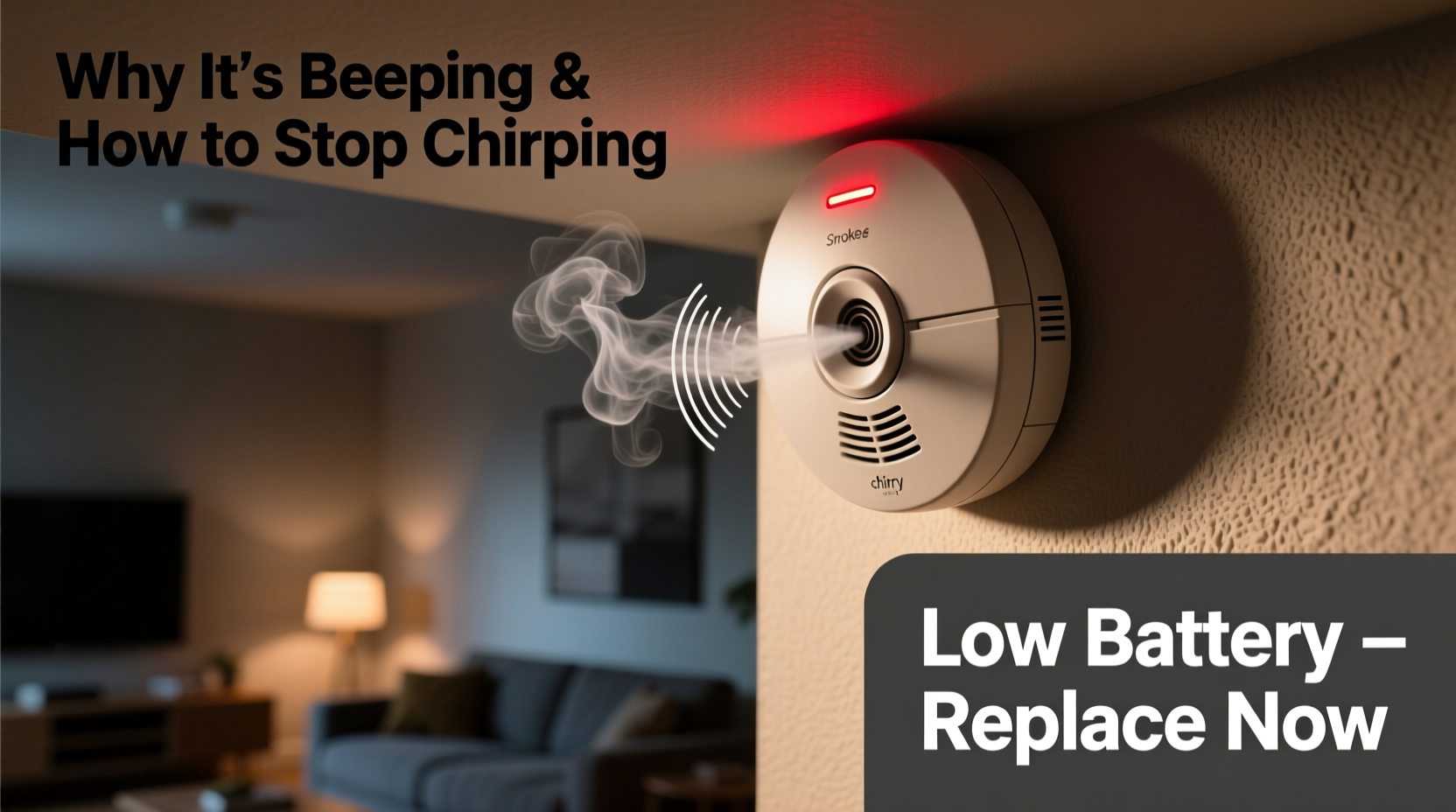
Most smoke alarms use audible signals to communicate their status. A continuous blaring sound means smoke is detected. But a repeating chirp—typically one beep every 30 to 60 seconds—indicates a non-emergency alert. The most frequent causes include:
- Low battery – The most common reason. As battery voltage drops, the device emits a chirp to warn you.
- End-of-life signal – Many modern detectors have a built-in lifespan (usually 10 years) and will chirp to indicate replacement is due.
- Dust or debris buildup – Particles inside the sensing chamber can interfere with operation and trigger false alerts.
- Loose battery connection – Poor contact between the battery and terminals can mimic low power.
- Environmental interference – High humidity, steam, or temperature extremes near kitchens or bathrooms may cause intermittent chirping.
- Power interruptions (hardwired units) – Fluctuations in electrical supply can prompt warning beeps even if the backup battery is functional.
How to Stop the Chirping: Step-by-Step Guide
Follow this systematic approach to identify and resolve the source of the beeping.
- Identify the unit – Listen closely to determine which detector is chirping. Most homes have interconnected systems, so one failing unit may trigger others.
- Check the battery – For battery-powered models, remove the cover and inspect the battery. If it’s older than 12 months, replace it immediately—even if it still tests as “good.”
- Reset the detector – After inserting a fresh battery, press and hold the test button for 15–20 seconds. This resets the sensor and clears error codes.
- Clean the unit – Use a soft brush attachment on a vacuum cleaner to gently clean vents and openings. Avoid using water or sprays.
- Check expiration date – Look at the back of the unit for the manufacture date. If it’s over 10 years old, replace the entire detector regardless of current performance.
- Inspect wiring (for hardwired units) – Ensure the electrical connection is secure. If the unit flashes a red or green light irregularly, there may be a circuit issue.
If chirping persists after these steps, the internal electronics may be failing. In such cases, replacement is the safest option.
Do’s and Don’ts When Handling a Beeping Smoke Detector
| Action | Do | Don't |
|---|---|---|
| Battery Replacement | Use manufacturer-recommended battery type (usually 9V or AA lithium) | Reuse old batteries or mix brands/types |
| Cleaning | Vacuum gently; wipe exterior with dry cloth | Use chemical cleaners or immerse in water |
| Testing | Press test button monthly; verify sound level | Ignore infrequent chirps or disable the unit |
| Replacement | Install new units before expiration date (typically 10 years) | Continue using expired detectors even if they seem functional |
| Location | Place units away from kitchens, bathrooms, and vents | Install near sources of steam or dust |
Expert Insight on Smoke Detector Maintenance
“Most people don’t realize that smoke detectors degrade over time. Sensors become less sensitive, and electronic components wear out. A chirping alarm isn’t just a nuisance—it’s a critical warning that protection may be compromised.” — David Reynolds, Certified Fire Safety Technician, National Fire Protection Association (NFPA)
The NFPA recommends replacing smoke alarms every 10 years, regardless of apparent function. Even sealed-battery models with 10-year lifespans must be swapped out entirely after a decade. These guidelines are based on extensive testing under real-world conditions.
Real Example: Nighttime Chirping Solved
Sarah M., a homeowner in Ohio, woke up multiple nights in a row to a faint chirp from her upstairs hallway detector. She assumed it was a low battery and replaced it, but the beeping returned within two days. Frustrated, she disconnected the unit temporarily—only to remember later that this left her family unprotected.
After researching online, she checked the manufacturing date stamped on the back: June 2011. It was now 2023. Despite seeming to work fine, the detector had exceeded its service life. She installed a new unit with a sealed 10-year battery, and the chirping stopped permanently. More importantly, her home regained full fire detection coverage.
This case illustrates a common mistake: assuming that replacing the battery fixes all issues. Age-related failure cannot be repaired—only replaced.
Troubleshooting Checklist
Use this checklist whenever your smoke detector starts chirping:
- ✅ Confirm which unit is beeping
- ✅ Replace the battery with a new, high-quality one
- ✅ Reset the alarm by holding the test button for 15+ seconds
- ✅ Clean dust and debris from the sensor chamber
- ✅ Check the manufacture date—replace if older than 10 years
- ✅ Verify proper installation location (not near kitchen or bathroom)
- ✅ Test interconnected alarms to ensure system-wide functionality
- ✅ For hardwired units, check circuit breaker and power supply stability
Frequently Asked Questions
Why does my smoke detector keep chirping after I changed the battery?
If chirping continues after a battery change, the unit may have been reset improperly, or it could be nearing end-of-life. Hold the test button for 20 seconds after battery insertion to reset the system. If it still beeps, check the manufacture date. Units older than 10 years should be replaced.
Can I silence a chirping smoke detector without removing the battery?
Yes. Most detectors have a “hush” or “silence” button that temporarily stops the chirp for up to 8 hours. This is useful during cooking false alarms. However, if the root cause (like low battery) isn’t fixed, the chirping will return.
Is it safe to disconnect a beeping smoke detector overnight?
No. Disconnecting a smoke alarm leaves your household vulnerable to fire risks. Instead, replace the battery immediately or isolate the faulty unit only if you’re actively troubleshooting and plan to fix it within hours. Never leave a home unattended without working smoke detection.
Conclusion: Act Now to Protect Your Home
A chirping smoke detector is not something to ignore or disable out of frustration. Each beep is a communication attempt—from a device designed to protect your life. Whether it's a dying battery, accumulated dust, or an aging unit reaching the end of its service life, the solution lies in prompt, informed action.
Regular maintenance, timely replacements, and proper placement ensure your smoke alarms remain reliable. Take a few minutes today to test every detector in your home, note their ages, and replace any that are questionable. Your future self—and your family—will thank you when those early warnings matter most.




 浙公网安备
33010002000092号
浙公网安备
33010002000092号 浙B2-20120091-4
Comments
No comments yet. Why don't you start the discussion?