
For many people, the early days of sobriety bring a strange emotional contradiction: relief mixed with restlessness, clarity shadowed by monotony. You’ve made a brave choice to stop using substances, yet instead of feeling liberated, you might find yourself staring at the ceiling, scrolling mindlessly, or wondering, “Is this all there is?” This experience—feeling sober and bored—is not only common, it’s deeply human. Boredom in recovery isn’t a sign of failure; it’s often a signal that your nervous system is recalibrating, your brain is healing, and your life is ready for reinvention.
The absence of intoxication doesn’t automatically fill the void with excitement. In fact, without the artificial stimulation of alcohol or drugs, everyday life can initially seem dull. But beneath this surface-level boredom lies an opportunity—an invitation to rebuild your relationship with time, presence, and purpose.
Why Sobriety Feels Boring at First
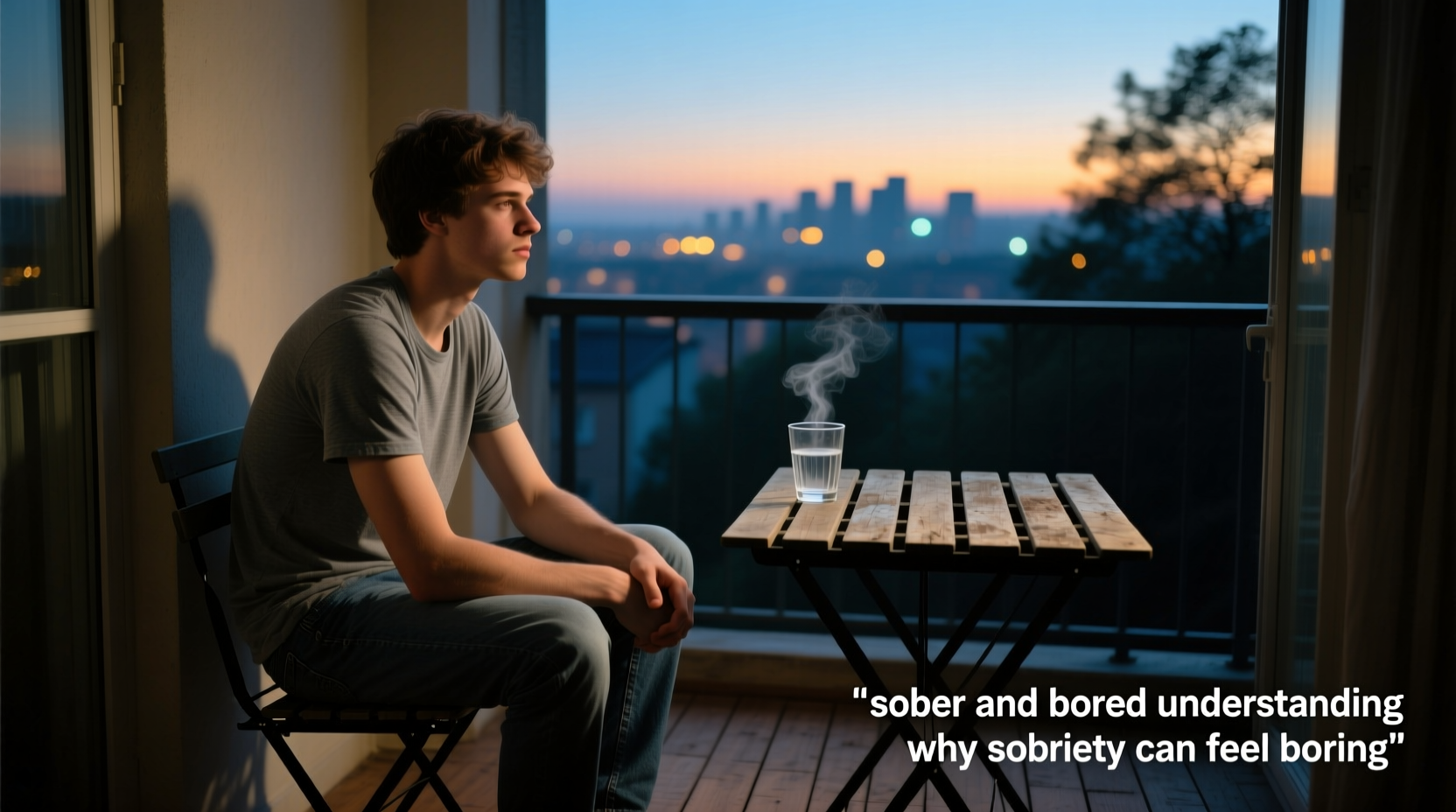
When you remove substances from your routine, you’re also removing the rituals, social cues, and neurological spikes they provided. Alcohol and drugs artificially elevate dopamine levels, creating a sense of anticipation and reward. Over time, your brain begins to rely on these external boosts rather than generating motivation naturally. When you quit, dopamine production slows, leaving you feeling flat, unmotivated, and disengaged.
This neurochemical adjustment period can last weeks or even months. During this time, activities that once felt enjoyable may seem pointless. Social gatherings without drinking can feel awkward. Even free time—once filled with substance use—now stretches out like an empty hallway.
Boredom in early sobriety is not just psychological; it’s physiological. Your brain is learning how to feel pleasure again without chemical shortcuts.
The Role of Avoidance in Substance Use
Many people turn to substances not just for fun, but to avoid discomfort—emotional pain, unresolved trauma, anxiety, or existential unease. Alcohol and drugs serve as numbing agents, blurring the edges of difficult thoughts. When you get sober, those feelings don’t disappear. Instead, they resurface—often amplified by silence and stillness.
Boredom, in this context, is not really about having nothing to do. It’s about being forced to sit with yourself. As psychologist Dr. Lance Dodes explains, addiction is less about the substance and more about what it helps the user escape. So when the escape route closes, the mind recoils—not because life is inherently dull, but because it demands attention.
“We don’t get sober to escape boredom—we get sober so we can finally face what we’ve been avoiding.” — Dr. Sarah Hill, Neuroscientist and Author of *This Is Your Brain on Sex*
Rebuilding Engagement: A Step-by-Step Guide
Healing from boredom in sobriety isn’t about filling every moment with activity. It’s about cultivating presence, curiosity, and connection. Here’s a practical timeline to help re-engage with life:
- Weeks 1–2: Observe Without Judgment
Track when boredom hits. Is it after work? Late at night? In social settings? Journal your observations without trying to fix them. Awareness is the first step. - Weeks 3–4: Introduce Micro-Experiences
Add small, novel stimuli: take a different route to work, try a new tea, listen to a foreign-language podcast. These tiny shifts awaken neural curiosity. - Month 2: Reconnect With Old Interests
What did you enjoy before substances? Drawing? Hiking? Cooking? Revisit one activity—even briefly. The goal isn’t mastery, but reacquaintance. - Month 3: Build Structure Around Time
Create a loose daily rhythm: morning walk, afternoon reading, evening reflection. Predictability reduces anxiety and creates space for spontaneity. - Month 4+: Explore Purposeful Action
Volunteer, take a class, join a recovery group. Contribution fosters meaning far more effectively than distraction.
Common Missteps in Early Recovery
It’s easy to misinterpret boredom as a reason to return to substance use. Others replace one addiction with another—overeating, gaming, compulsive scrolling. Recognizing these patterns early can prevent setbacks.
| Do’s | Don’ts |
|---|---|
| Allow yourself to feel bored without reacting | Use food, screens, or shopping to numb the feeling |
| Talk about boredom in therapy or support groups | Assume boredom means sobriety isn’t working |
| Experiment with new routines gradually | Over-schedule your days to avoid stillness |
| Practice mindfulness or breathwork during idle moments | Blame yourself for lacking motivation |
A Real Shift: From Boredom to Presence
Consider Marcus, a 38-year-old graphic designer who stopped drinking after ten years of nightly wine consumption. At first, evenings felt unbearable. He’d pace his apartment, check his phone endlessly, and feel a constant low-grade agitation. “I thought I was broken,” he said. “Like maybe I just wasn’t built for a quiet life.”
With guidance from his therapist, Marcus began scheduling one small intentional act each day: watering a plant, writing three sentences in a journal, cooking a meal without distractions. Over time, these acts became anchors. Six months into sobriety, he enrolled in a pottery class. “The first time I centered clay on the wheel, I cried. It was the first thing in years that made me forget time existed.”
Marcus didn’t eliminate boredom—he transformed his relationship with it. Stillness became fertile ground, not emptiness.
Turning Boredom Into a Catalyst for Growth
In a culture obsessed with stimulation, boredom carries a negative stigma. But historically, boredom has been a precursor to insight. Philosophers walked for hours in silence. Writers sat with blank pages. Artists stared at empty canvases. These moments weren’t wasted—they were incubation periods.
In sobriety, boredom can serve a similar function. When you stop masking internal noise, you create space for self-discovery. You begin to notice subtle joys: sunlight through a window, the rhythm of your breath, the comfort of a familiar voice. These aren’t thrilling—but they are real.
FAQ: Addressing Common Concerns
Is it normal to feel bored all the time in early sobriety?
Yes. Boredom is a frequent companion in early recovery. It reflects both neurochemical adjustment and the removal of habitual stimulation. It usually diminishes within 3–6 months as your brain recalibrates and you build new routines.
Does boredom mean I need medication for depression?
Not necessarily. While depression and boredom can overlap, boredom alone doesn’t indicate a clinical condition. However, if low mood, fatigue, or hopelessness persist beyond a few months, consult a mental health professional to rule out underlying issues.
How can I make sober socializing less boring?
Shift the focus from drinking to shared experiences. Suggest coffee walks, board games, or attending events like trivia nights or concerts. Sober communities often host engaging, substance-free gatherings. The key is prioritizing connection over consumption.
Conclusion: Boredom as a Gateway to Depth
Feeling sober and bored isn’t a flaw in the recovery process—it’s part of it. Boredom strips away the illusions of constant excitement and forces you to confront the raw material of your life. What emerges from that confrontation isn’t always entertaining, but it is authentic.
As your brain heals and your habits shift, boredom loses its grip. In its place grows something more enduring: presence. You begin to notice textures, rhythms, and relationships you once overlooked. You discover that a life without artificial highs can still be rich—perhaps richer—because it’s lived fully, not escaped.




 浙公网安备
33010002000092号
浙公网安备
33010002000092号 浙B2-20120091-4
Comments
No comments yet. Why don't you start the discussion?