
When it comes to maintaining the comfort and longevity of your sofa, two components often spark debate: sofa cushions and sofa protectors. While they may seem interchangeable at first glance, they serve entirely different purposes. One supports your posture and enhances comfort; the other shields your upholstery from spills, stains, and wear. Yet many homeowners wonder—can one replace the other? Or worse, can you skip one without consequences?
The short answer is no. Relying solely on a cushion for protection or using only a protector without proper cushioning compromises both comfort and durability. To make an informed decision, it's essential to understand what each component does, how they interact, and why combining them delivers the best results.
Understanding Sofa Cushions: More Than Just Comfort
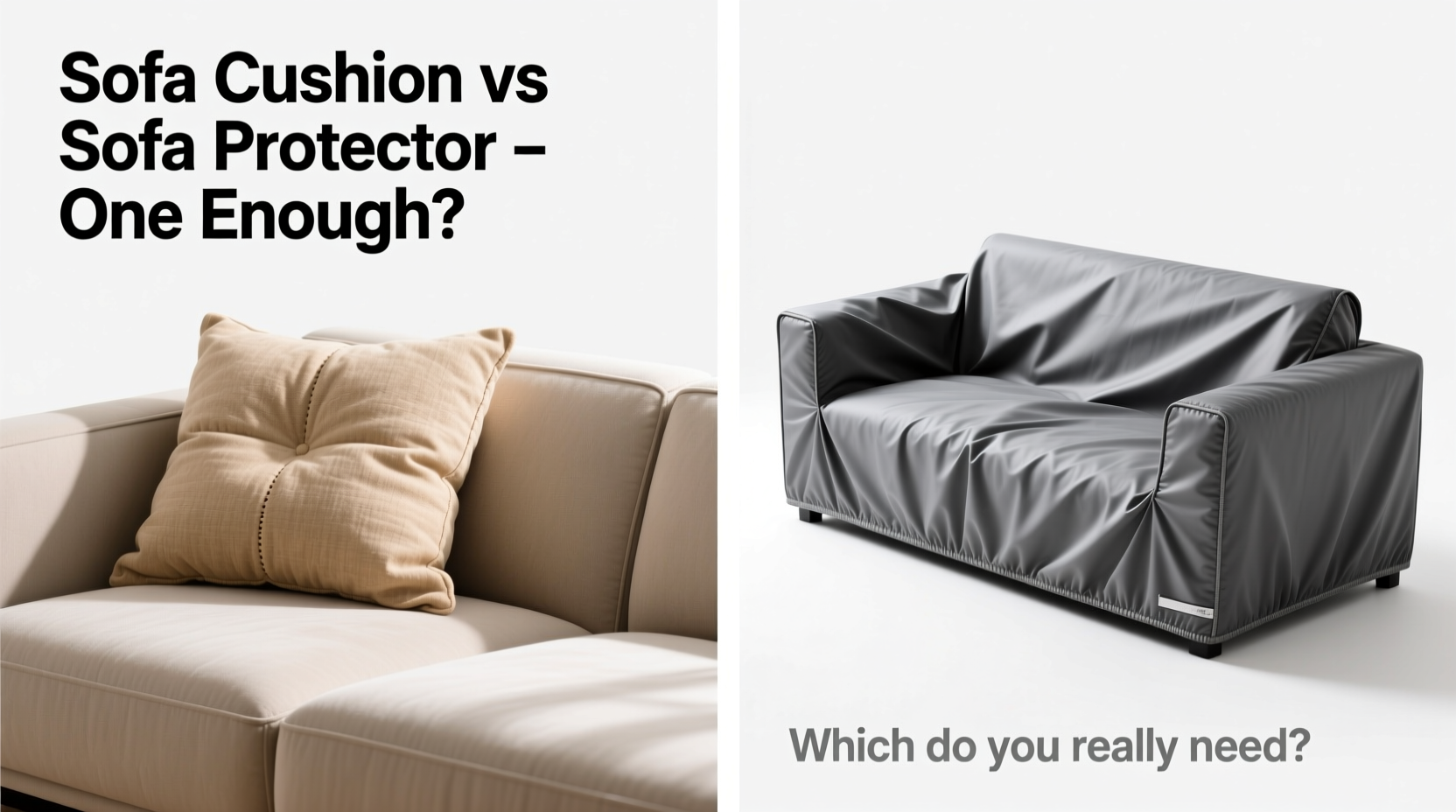
Sofa cushions are the padded elements that form the seat and backrest of your couch. They’re designed primarily for comfort, but their role extends beyond just softness. The type of cushion filling—be it foam, down, feather-blend, or spring-core—affects not only how the sofa feels but also its long-term resilience.
- Foam cushions: Offer firm support and retain shape well, ideal for everyday use.
- Down-filled cushions: Provide plush, sink-in comfort but require frequent fluffing and lose shape over time.
- Hybrid (foam wrapped in down): Balance support and softness, offering the best of both worlds.
Over time, even high-quality cushions compress and degrade—especially under consistent weight or exposure to sunlight. Without proper care, this leads to sagging seats, uneven support, and reduced seating comfort.
What Does a Sofa Protector Actually Do?
A sofa protector—also known as a furniture cover or slipcover—is a removable layer placed over the entire sofa or specific sections. Its primary function is protective: guarding against spills, pet accidents, dust, allergens, fading from UV light, and general fabric wear.
Modern sofa protectors come in various materials:
- Cotton blends: Breathable and soft, suitable for homes with children or pets.
- Micromesh fabrics: Nearly invisible while still providing spill resistance.
- Waterproof vinyl or polyurethane: Ideal for high-risk environments like households with toddlers or allergy sufferers.
Unlike cushions, protectors don’t contribute directly to seating comfort. In fact, some low-quality versions can feel stiff or trap heat. However, they play a crucial role in preserving the underlying upholstery, especially on expensive or delicate fabrics like linen, silk, or light-colored microfiber.
“Think of a sofa protector as insurance. You hope you never need it, but when an accident happens, it saves hundreds in replacement costs.” — Lena Reyes, Interior Design Consultant
Key Differences: A Side-by-Side Comparison
| Feature | Sofa Cushion | Sofa Protector |
|---|---|---|
| Purpose | Provide comfort and support | Protect fabric from damage |
| Material Types | Foam, down, feather, springs | Cotton, polyester, micromesh, vinyl |
| Lifespan | 3–7 years (depending on use) | 2–5 years (washable models last longer) |
| Impact on Cleanliness | Can trap odors if not aired | Prevents stains, easy to remove and wash |
| Effect on Sofa Longevity | Directly affects structural integrity | Preserves original fabric and color |
Real-Life Scenario: The Spill That Changed Everything
Consider Sarah, a mother of two young children living in a mid-century modern apartment. She invested in a beautiful cream-colored fabric sofa, prioritizing aesthetics over practicality. For months, everything was fine—until grape juice spilled during a playdate. The liquid soaked deep into the cushion and left a permanent stain on the armrest.
She tried cleaning it herself, but the foam inside retained moisture and began to mildew. Within six months, the entire seat section had to be replaced. A year later, she purchased a custom-fit, machine-washable sofa protector. Since then, multiple spills—including coffee and crayon marks—have been wiped away effortlessly. Her current sofa, though older, looks nearly new thanks to consistent protection.
This example illustrates a common oversight: assuming that a high-quality cushion eliminates the need for surface protection. In reality, even the best cushion can't prevent fabric degradation from external threats.
Do You Need Both? Here’s the Verdict
Yes—you need both a quality sofa cushion and a reliable sofa protector. They are complementary, not redundant.
The cushion ensures ergonomic support and daily comfort. Over time, it molds to your body and makes your sofa inviting. Meanwhile, the protector acts as a barrier, absorbing the brunt of environmental stressors so the actual sofa frame and fabric remain intact.
Using only a cushion leaves your investment vulnerable. Using only a protector without adequate cushioning results in a stiff, uncomfortable seating experience—even if the fabric stays pristine.
Step-by-Step Guide to Optimizing Both Components
- Assess your lifestyle: Do you have kids, pets, or frequent guests? High-traffic homes benefit most from durable cushions and waterproof protectors.
- Choose the right cushion fill: Opt for high-resilience foam if longevity is a priority; go for down wraps if luxury comfort is key.
- Select a breathable protector: Avoid plastic-like covers that trap heat. Look for stretchable, washable fabrics that fit snugly.
- Install the protector properly: Ensure it covers seams and corners without slipping. Some brands offer non-slip backing.
- Maintain both regularly: Vacuum cushions monthly, rotate them weekly, and wash the protector every 4–6 weeks or after spills.
Common Misconceptions Debunked
- My sofa is already stain-resistant—I don’t need a protector.
While many modern fabrics have treatment coatings, these wear off over time. A protector adds a second line of defense. - Protectors look cheap and ruin the design.
Today’s premium protectors are nearly invisible. Many mimic the texture and drape of high-end upholstery. - I can just replace the cushions instead of protecting the whole sofa.
Cushions are only part of the equation. Stains on arms, backrests, or base fabric still compromise appearance and value.
FAQ
Can I use throw blankets instead of a full sofa protector?
Throw blankets offer limited protection for small areas like seat cushions or armrests. However, they shift easily and don’t guard against full spills or pet scratches across the entire frame. For comprehensive coverage, a fitted protector is superior.
Will a sofa protector damage my cushions?
No—if used correctly. Breathable, non-coated protectors allow airflow and won’t trap moisture. Avoid vinyl or rubber-backed models unless specifically designed for ventilation.
How often should I replace my sofa cushions and protector?
Cushions typically last 3–7 years depending on usage and material. Protectors should be replaced every 2–4 years, or sooner if they show signs of tearing, discoloration, or poor fit.
Final Checklist: Are You Fully Protected?
- ✅ High-density foam or hybrid cushions installed?
- Ensures lasting comfort and support.
- ✅ Fitted, washable sofa protector in place?
- Shields against spills, UV rays, and pet hair.
- ✅ Cushions rotated monthly?
- Prevents uneven wear and sagging.
- ✅ Protector cleaned every 4–6 weeks?
- Maintains hygiene and appearance.
- ✅ No gaps between protector and sofa edges?
- Full coverage prevents liquids from seeping underneath.
Conclusion
Choosing between a sofa cushion and a sofa protector isn’t a matter of preference—it’s a false dilemma. Both are essential for a functional, durable, and comfortable living space. The cushion supports your body; the protector safeguards your investment. Together, they ensure your sofa remains inviting, clean, and structurally sound for years to come.
Don’t wait for a spill or sagging seat to realize their importance. Evaluate your current setup today. Upgrade your cushions if needed, invest in a high-quality protector, and establish a simple maintenance routine. Your future self—and your next sofa—will thank you.




 浙公网安备
33010002000092号
浙公网安备
33010002000092号 浙B2-20120091-4
Comments
No comments yet. Why don't you start the discussion?