
Oral hygiene extends beyond brushing and flossing. The back of your tongue harbors bacteria, food debris, and dead cells that contribute to bad breath and compromised oral health. While a soft bristle toothbrush is standard in most routines, some people swear by tongue scrapers. But is switching—or adding—a tongue scraper actually beneficial? Or is it just another wellness trend with minimal real-world impact?
This article breaks down the science, effectiveness, and practicality of both tools. Whether you're looking to improve breath freshness, reduce bacterial load, or simply optimize your morning routine, understanding the role each device plays can help you make an informed decision.
How Tongue Cleaning Impacts Oral Health
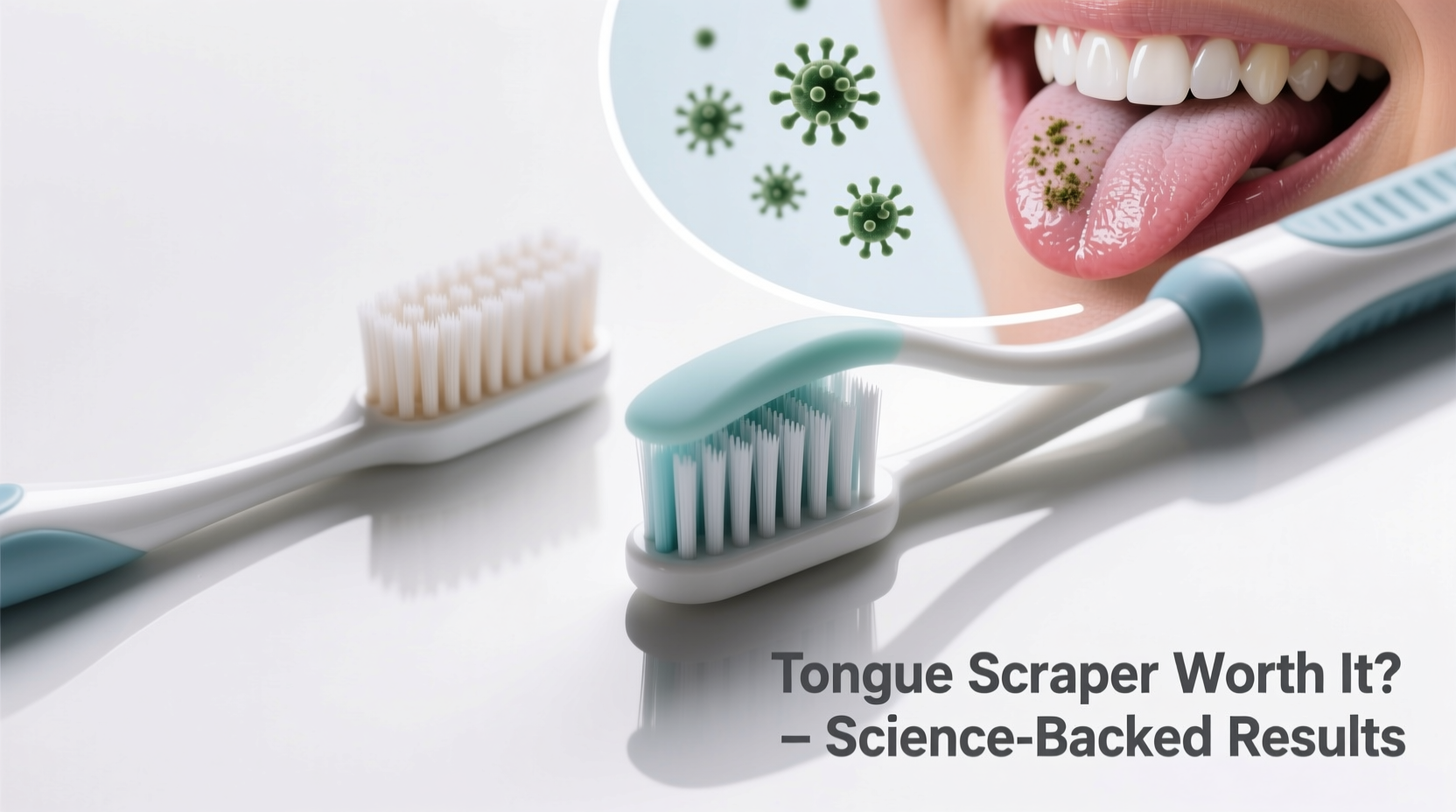
The surface of the tongue is uneven, filled with tiny papillae that trap bacteria, fungi, and food particles. Over time, these accumulations form a coating known as tongue plaque or biofilm. This buildup isn’t just unsightly—it’s a breeding ground for volatile sulfur compounds (VSCs), the primary cause of halitosis (chronic bad breath).
According to the American Dental Association (ADA), while brushing teeth removes plaque from enamel surfaces, it does little to address microbial colonies on the tongue. In fact, studies show that up to 70% of mouth odor originates from the posterior third of the tongue.
“The tongue is often overlooked, but it’s one of the largest reservoirs of bacteria in the mouth. Regular cleaning significantly reduces pathogenic load.” — Dr. Lena Patel, Board-Certified Periodontist
Cleaning the tongue disrupts this bacterial colony, reducing both odor and the risk of gum disease. But not all tools are equally effective at this task.
Soft Bristle Toothbrush: Pros and Limitations
Soft bristle toothbrushes are recommended by dentists to prevent gum recession and enamel abrasion. They’re gentle yet effective for cleaning teeth and can be used on the tongue in a pinch.
When brushing the tongue, users typically extend the brush past their molars and sweep forward to remove surface debris. However, there are notable drawbacks:
- Less effective reach: Most toothbrush heads aren’t designed to access the very back of the tongue where odor-causing bacteria thrive.
- Bristle friction: Nylon bristles may irritate sensitive tissue, especially if pressed too hard.
- Incomplete removal: Brushing tends to spread rather than remove biofilm, especially thick coatings.
- Swallowing debris: Aggressive brushing can push material toward the throat instead of clearing it from the mouth.
Tongue Scrapers: Design, Function, and Effectiveness
Tongue scrapers—typically made of metal (stainless steel, copper) or plastic—are curved tools designed specifically to glide along the tongue's surface and physically lift off residue. Unlike brushing, scraping applies controlled pressure across a broad edge, lifting biofilm in one motion.
Research supports their efficacy. A 2004 study published in the Journal of Periodontology found that daily use of a tongue scraper reduced VSC levels by up to 75%, significantly outperforming both brushing and no intervention.
Benefits include:
- More thorough removal of coating and bacteria
- Reduced gag reflex due to smooth, predictable motion
- Longer-lasting freshness (up to 8 hours vs. 4–6 with brushing)
- Durable, reusable options available (especially metal)
However, not all scrapers are created equal. Poorly designed models with sharp edges or inflexible materials can cause discomfort or injury.
Step-by-Step Guide to Using a Tongue Scraper
- Stand in front of a mirror with good lighting.
- Stick out your tongue as far as comfortable.
- Place the scraper at the back of the tongue—aim for the area near the base.
- Gently press downward and pull the scraper forward in one smooth motion.
- Rinse the scraper under running water to remove debris.
- Repeat 3–7 times, depending on coating thickness.
- Finish with rinsing your mouth or using an alcohol-free mouthwash.
Comparison: Soft Bristle Toothbrush vs Tongue Scraper
| Feature | Soft Bristle Toothbrush | Tongue Scraper |
|---|---|---|
| Primary Purpose | Cleaning teeth and gums | Cleaning tongue surface |
| Effectiveness on Tongue Coating | Moderate – spreads debris | High – removes biofilm efficiently |
| Gag Reflex Trigger | Higher – bristles tickle sensitive areas | Lower – smooth glide reduces irritation |
| Hygiene Maintenance | Replace every 3 months | Washable, long-lasting (metal) |
| Cost Over Time | $20–$40/year (replacement brushes) | One-time $5–$15 purchase |
| Ease of Use | Familiar, but awkward angle | Steeper learning curve, then intuitive |
Real Example: A Case Study in Breath Improvement
Sarah, a 34-year-old teacher from Portland, struggled with persistent morning breath despite twice-daily brushing and flossing. Her dentist ruled out gum disease and sinus issues but noticed a thick white coating on her tongue.
She was advised to incorporate a stainless steel tongue scraper into her routine. After two weeks of daily scraping (morning only), Sarah reported a noticeable reduction in bad breath, confirmed by her partner. Her dental hygienist noted improved overall oral cleanliness during her next check-up, with less plaque accumulation.
“I didn’t think such a small change would make a difference,” Sarah said. “But now I feel fresher all day. It takes less than a minute—I wish I’d done it sooner.”
Do You Really Need a Tongue Scraper?
The answer depends on your goals and current routine. If you have mild morning breath and already practice good oral hygiene, a soft bristle toothbrush might suffice—for now. But if you experience:
- Chronic bad breath despite brushing
- A visibly coated tongue
- Post-nasal drip or dry mouth
- Smoking or coffee consumption
—then a tongue scraper is likely worth the investment. It’s not about replacing your toothbrush, but complementing it.
Moreover, many integrative health practitioners emphasize tongue scraping as part of a holistic morning ritual. Ayurvedic medicine has included it for centuries as a method to stimulate internal organs and support detoxification—though scientific evidence for systemic benefits remains limited.
Checklist: Should You Try a Tongue Scraper?
- ☐ Experience persistent bad breath
- ☐ See a white or yellow coating on your tongue
- ☐ Want longer-lasting oral freshness
- ☐ Already brush and floss regularly but want incremental improvement
- ☐ Willing to spend 30–60 seconds extra per day
Frequently Asked Questions
Can I use a toothbrush instead of a scraper?
Yes, but it’s less effective. A toothbrush tends to push bacteria around rather than remove it. For optimal results, especially with thick tongue coating, a scraper is superior.
Will a tongue scraper damage my taste buds?
No, when used correctly. Gentle, forward strokes with moderate pressure won’t harm taste buds. Avoid pressing too hard or using serrated or jagged scrapers.
How often should I clean my tongue?
Daily cleaning is ideal—once in the morning, preferably before eating or drinking. Some people prefer twice daily, but morning use yields the most noticeable benefits.
Final Verdict: Is the Tongue Scraper Worth It?
For most people, yes. A tongue scraper is a low-cost, high-impact tool that enhances oral hygiene in ways a soft bristle toothbrush alone cannot. It removes odor-causing bacteria more effectively, reduces gagging for many users, and contributes to a cleaner, healthier mouth.
While it shouldn’t replace brushing or flossing, it’s a valuable addition—especially for those dealing with chronic halitosis or heavy tongue coating. With proper technique, even those with a sensitive gag reflex can adapt within a few days.
Think of it like upgrading from a basic cloth to a microfiber towel for cleaning glass: same goal, better results. You don’t need it to survive, but once you try it, you’ll wonder why you waited so long.




 浙公网安备
33010002000092号
浙公网安备
33010002000092号 浙B2-20120091-4
Comments
No comments yet. Why don't you start the discussion?