
In 2024, the clutch has evolved from a mere accessory into a statement of personal style, functionality, and cultural awareness. With shifting fashion dynamics, minimalist aesthetics, and bold maximalist expressions coexisting on runways and city streets alike, the debate between solid and patterned clutches remains relevant. But does the design truly matter anymore—or have we moved beyond such distinctions? The answer lies not in trends alone, but in how design serves purpose, identity, and adaptability in modern dressing.
The Evolution of the Clutch in Contemporary Fashion
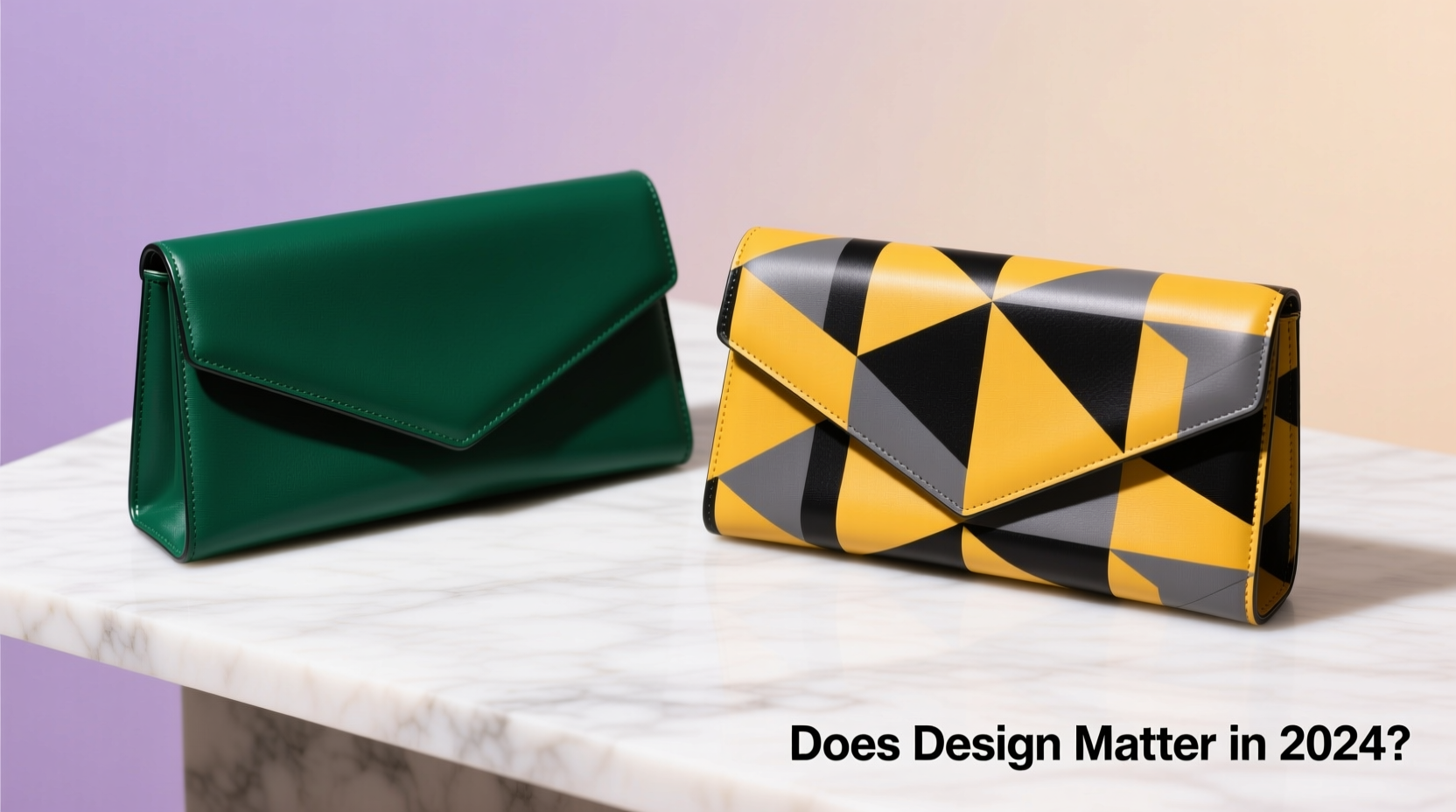
Once reserved for formal events, the clutch is now a daily essential for many—carrying phones, cards, keys, and even small cosmetics. Its compact size demands thoughtful design, making every aesthetic decision significant. In recent years, designers have embraced both minimalism and maximalism, offering everything from sleek monochrome envelopes to clutches adorned with geometric prints, animal motifs, or digital-inspired patterns.
This duality reflects broader cultural shifts. On one hand, consumers lean toward timeless elegance and capsule wardrobes; on the other, social media fuels demand for eye-catching pieces that stand out in photos and videos. As a result, both solid and patterned clutches have carved distinct niches—not as competitors, but as complementary tools in a curated wardrobe.
Functionality vs. Statement: What Drives Your Choice?
Selecting between a solid and a patterned clutch often comes down to intent. A solid-colored clutch typically prioritizes versatility and cohesion. It blends seamlessly with multiple outfits, serving as a functional extension of your look without drawing undue attention. Black, navy, nude, or metallic solids remain staples because they transition effortlessly across occasions—from office meetings to evening galas.
In contrast, a patterned clutch makes an intentional declaration. Whether it features abstract brushstrokes, vintage florals, or futuristic holographic designs, it functions as wearable art. These clutches are chosen not just for utility but for their ability to elevate an otherwise simple outfit or reflect a mood, personality trait, or cultural reference.
A Comparative Breakdown: Solid vs. Patterned Clutches
| Feature | Solid Clutch | Patterned Clutch |
|---|---|---|
| Versatility | High – pairs with nearly any outfit | Moderate – works best with coordinating colors |
| Style Impact | Subtle, elegant | Bold, expressive |
| Lifespan (Trend Relevance) | Long – classic styles endure | Variable – depends on pattern trend cycle |
| Care & Maintenance | Easier to clean and maintain uniformly | May require special care for print integrity |
| Occasion Suitability | Broad – formal, professional, casual | Niche – best for creative, festive, or themed events |
The table illustrates that neither option is universally superior. Instead, each excels in different contexts. A well-rounded accessory collection includes both types, allowing wearers to adapt to changing environments and expectations.
Real-World Application: A Stylist’s Perspective
“Clients used to ask, ‘Which is better?’ Now they ask, ‘How do I use both?’ That shift tells me we’ve matured in our relationship with fashion.” — Lena Torres, Celebrity Stylist and Founder of Urban Silhouette Studio
Torres shares a recent case study involving a corporate client preparing for a product launch. By day, she wore tailored suits with a structured black leather clutch—professional and polished. For the evening event, she swapped it for a clutch featuring a subtle iridescent snake print, instantly transforming her presence while maintaining sophistication. The key was balance: using the solid piece as a baseline and the patterned one as a strategic accent.
This approach exemplifies modern styling logic: treat the clutch not as a standalone item, but as part of a visual narrative. Design matters—but only insofar as it aligns with the story you want to tell.
Choosing Based on Lifestyle, Not Just Trends
Before selecting a clutch based solely on what’s trending, consider your daily routine. Ask yourself:
- Do I attend mostly formal or business-casual events?
- Am I comfortable being noticed for my accessories?
- Do I prefer mixing and matching, or sticking to coordinated looks?
- How often do I update my wardrobe?
If your schedule revolves around consistency and professionalism, solid clutches will likely serve you better. They age gracefully and rarely clash. However, if your lifestyle embraces creativity, nightlife, or public appearances, a few thoughtfully chosen patterned clutches can become signature elements of your brand.
Checklist: Building a Balanced Clutch Collection in 2024
- Start with one neutral solid (black, beige, or gray)
- Add a metallic finish (gold, silver, or rose gold) for evening wear
- Include one seasonal pattern (e.g., floral for spring, abstract for fall)
- Choose at least one clutch with interior organization (card slots, zip compartment)
- Ensure all materials are durable—genuine leather, vegan leather with coating, or high-density fabric
Material Matters More Than You Think
While color and pattern dominate initial impressions, material plays a crucial role in longevity and tactile appeal. In 2024, sustainability influences material choices more than ever. Recycled synthetics, plant-based leathers, and upcycled textiles are gaining traction—even in luxury segments.
A solid clutch made from low-quality faux leather may crack within months, undermining its timelessness. Conversely, a well-made patterned clutch using eco-conscious materials can be both stylish and responsible. Always inspect stitching, lining, and closure mechanisms regardless of design type.
FAQ: Common Questions About Clutch Design in 2024
Can I wear a patterned clutch with a printed dress?
Yes, but ensure the scales and color families complement each other. Avoid clashing dominant patterns—for example, pairing a large floral dress with a busy animal-print clutch. Instead, opt for a clutch with a single accent color pulled from the dress, or choose a solid clutch to let the outfit shine.
Are solid clutches boring in 2024?
Not at all. Minimalism continues to thrive, especially in urban and professional settings. A solid clutch in an unexpected texture—like crocodile-embossed leather, quilted satin, or matte suede—adds depth without relying on color or pattern.
Will patterned clutches go out of style?
Fashion cycles mean specific patterns fade (e.g., millennial pink florals), but the concept of expressive design won’t disappear. Invest in patterns with enduring appeal—art deco, tribal motifs, or tonal geometrics—rather than fleeting internet fads.
Conclusion: Design Still Matters—But Context Matters More
The question isn't whether solid or patterned clutches matter in 2024—it's how intentionally you use them. Design remains relevant, but its value lies in alignment with lifestyle, occasion, and self-expression. A solid clutch offers quiet confidence; a patterned one delivers dynamic flair. The most stylish individuals don’t choose one over the other—they master the interplay between both.
As fashion becomes increasingly personalized and context-driven, the clutch evolves from a passive accessory to an active communicator. Whether yours is unadorned or intricately designed, what counts is that it feels like *you*. In a world saturated with imagery, authenticity speaks louder than any trend.




 浙公网安备
33010002000092号
浙公网安备
33010002000092号 浙B2-20120091-4
Comments
No comments yet. Why don't you start the discussion?