
Choosing a phone case often comes down to aesthetics—vibrant patterns, sleek gradients, or minimalist solids. But beneath the surface of style lies a more critical question: does the design of your phone case actually impact its ability to protect your device? While it’s tempting to prioritize looks, especially with the rise of fashion-forward tech accessories, understanding the relationship between appearance and function is essential for making an informed decision.
The short answer? The visual design—whether solid or patterned—doesn’t directly influence protection. However, the materials, construction, and structural features behind that design do. This article explores how design choices intersect with durability, what factors truly matter in impact resistance, and how to balance personal style with real-world safety for your phone.
Understanding Phone Case Materials and Construction
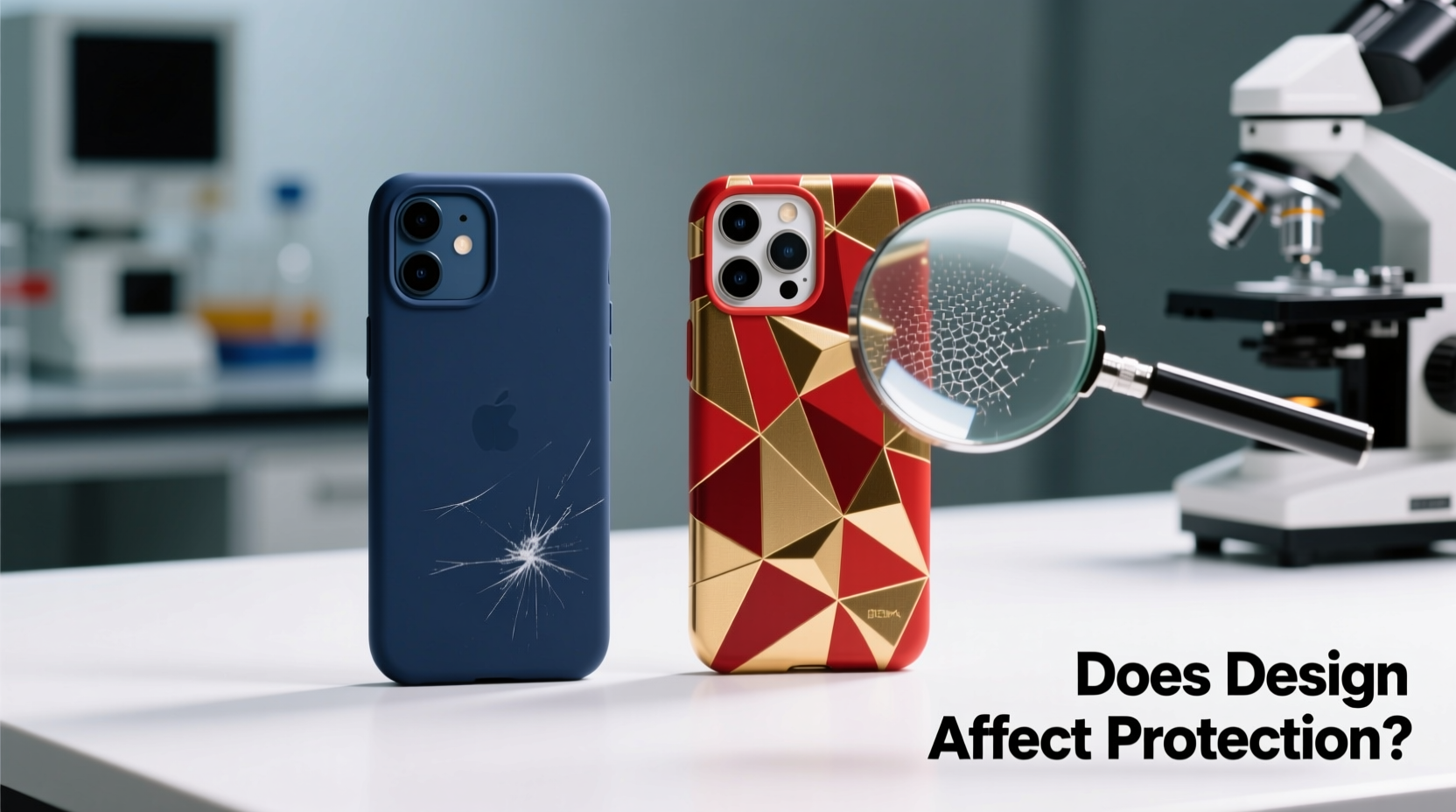
The foundation of any protective case lies in its materials. Most modern cases are made from combinations of thermoplastic polyurethane (TPU), polycarbonate (PC), silicone, or hybrid blends. These materials determine shock absorption, scratch resistance, and overall resilience—not the printed design on the surface.
- TPU: Flexible, rubber-like material known for excellent shock absorption. Often used in clear or tinted cases with patterns layered underneath.
- Polycarbonate: Rigid plastic commonly found in hard-shell cases. Offers high impact resistance but less give during drops.
- Silicone: Soft and grippy, good for everyday use but can degrade over time when exposed to oils or UV light.
- Hybrid Cases: Combine TPU bumpers with polycarbonate backs for balanced flexibility and rigidity.
A case with a bold geometric print isn’t inherently weaker than a black matte one—if both use the same internal structure and materials, their protective capabilities are nearly identical. The ink or dye used for patterns typically sits as a thin layer atop the base material and doesn't compromise structural integrity.
Design vs. Durability: What Actually Protects Your Phone?
When evaluating protection, focus on engineering, not aesthetics. Key protective elements include:
- Raised Edges: Slightly elevated screen and camera lips prevent direct contact with surfaces during face-down drops.
- Shock-Absorbing Corners: Reinforced corners absorb the brunt of impact, where most falls land.
- Drop Ratings: Some brands test cases against military standards (MIL-STD-810G) to verify drop performance from heights up to 10 feet.
- Material Thickness: Thicker TPU layers generally offer better energy dissipation during impacts.
A plain black case with no branding might outperform a flashy neon camo version if it includes internal air channels or multi-layer damping systems. Conversely, a beautifully designed case may skimp on edge height or corner reinforcement to maintain slim proportions, reducing its effectiveness.
“The outer finish—whether matte, glossy, or printed—is cosmetic. Real protection comes from internal geometry and material science.” — Dr. Lena Torres, Materials Engineer at MobileShield Labs
Do Patterns Affect Long-Term Wear and Tear?
While design doesn’t weaken initial protection, certain finishes can influence longevity. Patterned cases, especially those with transparent layers or decals, may show wear differently than solid ones:
| Case Type | Scratch Visibility | Yellowing Risk | Cleanability |
|---|---|---|---|
| Solid Matte | Low – hides minor scuffs | Moderate – depends on coating | High – resists fingerprints |
| Solid Glossy | High – shows every mark | High – prone to smudges and micro-scratches | Moderate – needs frequent wiping |
| Patterned (Printed) | Medium – fading may occur over time | Low to Moderate – varies by ink quality | Variable – textured prints can trap dirt |
| Clear with Design Layer | High – scratches disrupt clarity | Very High – yellowing common in cheaper plastics | Low – requires careful cleaning to avoid haze |
In humid environments or with frequent pocket carry, moisture and friction can cause printed designs to peel or fade. Solid-colored cases, particularly those with embedded dyes rather than surface prints, tend to age more gracefully.
Mini Case Study: Two Drops, One Outcome
Consider two users with identical iPhone models who dropped their phones from waist height onto concrete:
- User A had a solid navy blue TPU case with reinforced corners and a 1.5mm raised bezel.
- User B used a vibrant floral-print case marketed for style, with a thinner profile and flush screen edges.
Both phones landed screen-first. User A’s phone survived unscathed. User B’s phone suffered a cracked display despite the case being labeled “protective.” Post-analysis revealed the floral case lacked adequate edge protection and used a single-layer TPU without impact dispersion technology. The design didn’t cause the failure—but the trade-offs made to accommodate it did.
How to Choose: Balancing Style and Safety
You don’t have to sacrifice personality for protection. With the right approach, you can enjoy both. Follow this checklist when shopping:
- ✅ Confirm the case has MIL-STD or equivalent drop testing certification
- ✅ Ensure screen and camera are protected by raised edges
- ✅ Opt for dual-material construction (e.g., soft interior, hard exterior)
- ✅ Avoid ultra-thin “fashion” cases unless used with a screen protector and careful handling
- ✅ Read reviews specifically mentioning long-term durability and print retention
- ✅ Consider removable or interchangeable back panels—style without compromising core protection
Brands like OtterBox, Spigen, and UAG prioritize engineering first, offering select styles with durable finishes. Meanwhile, companies such as dbrand or Skinit allow customization while maintaining compatible base layers—giving you control over look without sacrificing structural reliability.
Frequently Asked Questions
Does a clear patterned case protect less than a solid one?
Not inherently. A clear case with a pattern underneath protects based on its material thickness and design. However, lower-quality clear cases may yellow or become brittle over time, reducing effectiveness. High-end versions with anti-yellowing coatings perform just as well as solid counterparts.
Are matte finishes more protective than glossy ones?
No—finish affects grip and smudge resistance, not structural strength. Matte cases often provide better traction, reducing slip risk, which indirectly improves protection. Glossy finishes may feel slicker and attract fingerprints, increasing the chance of accidental drops.
Can I trust designer or branded cases for real protection?
Some do, many don’t. Luxury or fashion-focused brands (e.g., Casetify, Kate Spade) often emphasize aesthetics. Always verify independent drop test results or third-party reviews before assuming protection level. If specs aren’t listed, assume minimal impact defense.
Conclusion: Make Style Serve Substance
Your phone case doesn’t have to be boring to be safe. Whether you prefer a sleek solid black shell or a vibrant abstract print, the key is looking past surface appeal to the engineering beneath. Protection hinges on thoughtful design—cushioned corners, proper fit, and tested materials—not the colors or graphics adorning it.
The best choice merges confidence in durability with personal expression. Don’t let marketing blur the line between decoration and defense. Prioritize verified protection features, then personalize within that framework. When you know what truly matters, you can carry a case that reflects your style—and safeguards your investment.




 浙公网安备
33010002000092号
浙公网安备
33010002000092号 浙B2-20120091-4
Comments
No comments yet. Why don't you start the discussion?