
Soreness in the armpits is more common than many realize, yet it often triggers concern due to its proximity to lymph nodes and breast tissue. While most cases stem from harmless, treatable issues like irritation or minor infections, persistent or severe pain can signal underlying health conditions that require medical evaluation. Understanding the range of possible causes — from everyday habits to rare but serious illnesses — empowers you to respond appropriately. This guide explores the most frequent reasons for armpit soreness, signs that warrant urgent attention, and practical steps for relief and prevention.
Common Causes of Armpit Soreness
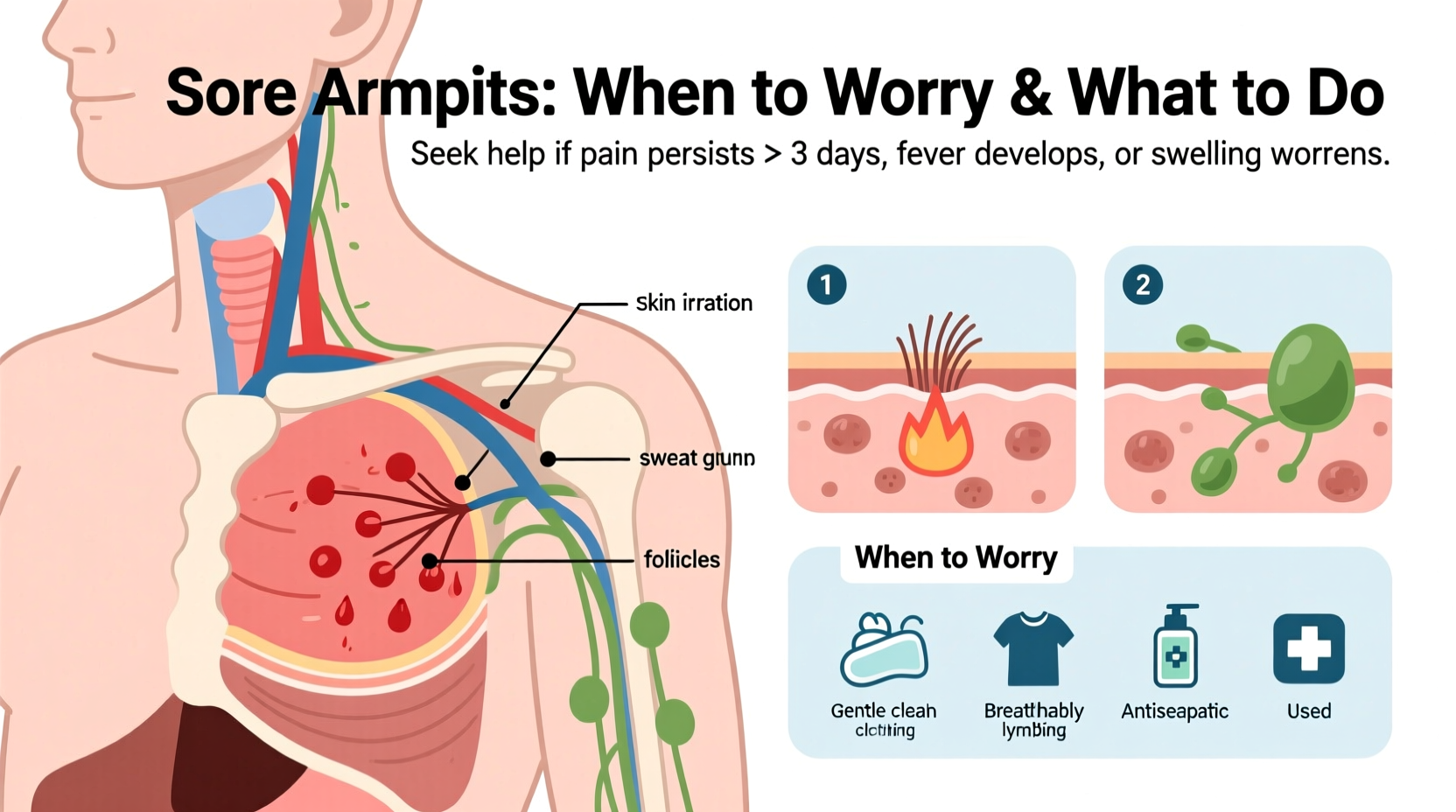
The armpit area is rich in lymph nodes, sweat glands, hair follicles, and skin folds, making it susceptible to a variety of irritants and infections. Most causes of soreness are benign and resolve with simple care.
- Shaving irritation: Razor burn, nicks, or ingrown hairs can inflame the skin, leading to tenderness and redness.
- Deodorant or antiperspirant sensitivity: Ingredients like aluminum compounds, fragrances, or alcohol may cause allergic reactions or contact dermatitis.
- Sweat buildup and friction: Tight clothing combined with excessive sweating can lead to chafing and bacterial growth.
- Folliculitis: Inflammation or infection of hair follicles, often appearing as small red bumps or pustules.
- Cysts or abscesses: Blocked glands (such as apocrine or sebaceous glands) can form painful lumps under the skin.
- Lymph node swelling: The armpit contains numerous lymph nodes that may swell in response to infections (e.g., colds, skin wounds, or insect bites).
When to Worry: Red Flags That Need Medical Attention
While occasional armpit soreness is normal, certain symptoms suggest a need for prompt medical evaluation. These warning signs should not be ignored:
“Persistent armpit pain with a lump, especially if it’s hard, immovable, or growing, warrants immediate assessment.” — Dr. Lena Patel, Primary Care Physician
Symptoms requiring a doctor visit:
- A lump that persists beyond two weeks or increases in size
- Pain without an obvious cause (e.g., no recent shaving or deodorant change)
- Swollen lymph nodes accompanied by unexplained fever, night sweats, or weight loss
- Red streaks radiating from the armpit (sign of spreading infection)
- Discharge, pus, or foul odor from a bump
- Changes in skin texture, such as thickening, dimpling, or discoloration
- Symptoms occurring alongside breast changes (lumps, nipple discharge)
These could indicate conditions ranging from cellulitis to autoimmune disorders, and in rare cases, breast cancer or lymphoma. Early diagnosis significantly improves outcomes.
Step-by-Step Guide to Relief and Recovery
If your sore armpits are due to minor irritation or mild infection, follow this structured approach to ease discomfort and promote healing.
- Stop using potential irritants: Discontinue deodorants, perfumed soaps, or new laundry detergents for 3–5 days.
- Apply warm compresses: Use a clean cloth soaked in warm water for 10–15 minutes, 3 times daily, to reduce swelling and encourage drainage of blocked glands.
- Keep the area clean and dry: Wash gently with mild, fragrance-free soap and pat dry thoroughly to prevent bacterial or fungal growth.
- Wear loose, breathable clothing: Opt for cotton fabrics to minimize friction and allow airflow.
- Use over-the-counter remedies: Hydrocortisone cream (for rash), antibacterial ointment (for cuts), or pain relievers like ibuprofen can help manage symptoms.
- Monitor for improvement: Reassess after 3–5 days. If pain worsens or fails to improve, consult a healthcare provider.
Do’s and Don’ts: Managing Armpit Health
| Do’s | Don’ts |
|---|---|
| Use hypoallergenic, fragrance-free deodorants | Apply antiperspirants immediately after shaving |
| Shave in the direction of hair growth with a clean razor | Share razors or use dull blades |
| Examine armpits monthly during self-checks | Ignore a painless lump because it doesn’t hurt |
| Seek care for persistent swelling or lumps | Pop or squeeze cysts at home |
| Stay hydrated to support lymphatic function | Wear tight synthetic fabrics daily |
Real Example: Recognizing When It’s More Than Irritation
Maya, a 38-year-old teacher, noticed a tender spot under her right arm after switching to a new clinical-strength deodorant. She assumed it was irritation and stopped using the product. However, after two weeks, the lump remained — now firm and painless. Concerned, she visited her doctor, who ordered an ultrasound. The imaging revealed an enlarged lymph node. Further testing led to a diagnosis of early-stage breast cancer, detected solely because of the armpit symptom. With timely treatment, Maya made a full recovery. Her case underscores the importance of not dismissing persistent armpit changes, even in the absence of pain.
Prevention Checklist
Maintaining healthy armpits involves consistent hygiene and mindful product choices. Follow this checklist to reduce the risk of soreness:
- ✔️ Shave carefully with a sharp, clean razor and lubricating gel
- ✔️ Patch-test new deodorants on a small skin area before regular use
- ✔️ Change razors every 5–7 uses to prevent bacterial buildup
- ✔️ Wash workout clothes immediately after use
- ✔️ Perform monthly breast and armpit self-exams
- ✔️ Stay up to date with vaccinations (e.g., flu, shingles) to reduce lymph node triggers
- ✔️ Manage stress and support immune health through sleep and nutrition
Frequently Asked Questions
Can a pulled muscle cause armpit soreness?
Yes. The chest and upper back muscles connect near the armpit. Overexertion during exercise, especially push-ups or weightlifting, can strain these muscles and refer pain to the armpit area. The discomfort typically worsens with movement and resolves with rest.
Is armpit soreness a sign of breast cancer?
Not always, but it can be. Breast cancer may spread to axillary (armpit) lymph nodes, causing lumps or swelling. A painless, hard, immovable mass in the armpit is more concerning than soreness alone. Any unexplained lump should be evaluated by a healthcare professional.
How long should armpit pain last before seeing a doctor?
If soreness persists beyond 7–10 days despite home care, or if you notice a lump, fever, or worsening symptoms, schedule a medical visit. Early evaluation ensures peace of mind or timely intervention if needed.
Conclusion: Take Charge of Your Armpit Health
Armpit soreness is usually temporary and manageable with simple lifestyle adjustments. But because this area houses critical immune and glandular structures, it’s essential to balance self-care with vigilance. Pay attention to your body’s signals. Don’t dismiss persistent changes out of embarrassment or assumption. Most causes are treatable, and catching serious conditions early dramatically improves outcomes. Make armpit awareness part of your routine health practice — just as you would dental hygiene or skin checks.




 浙公网安备
33010002000092号
浙公网安备
33010002000092号 浙B2-20120091-4
Comments
No comments yet. Why don't you start the discussion?