
Back pain is one of the most frequent reasons people seek medical care. A sore spine can range from a dull, persistent ache to sudden, sharp discomfort that limits movement. While many cases resolve on their own with rest and self-care, others may signal underlying conditions requiring professional attention. Understanding the root causes and knowing when to consult a doctor can prevent complications and support faster recovery.
Common Causes of a Sore Spine
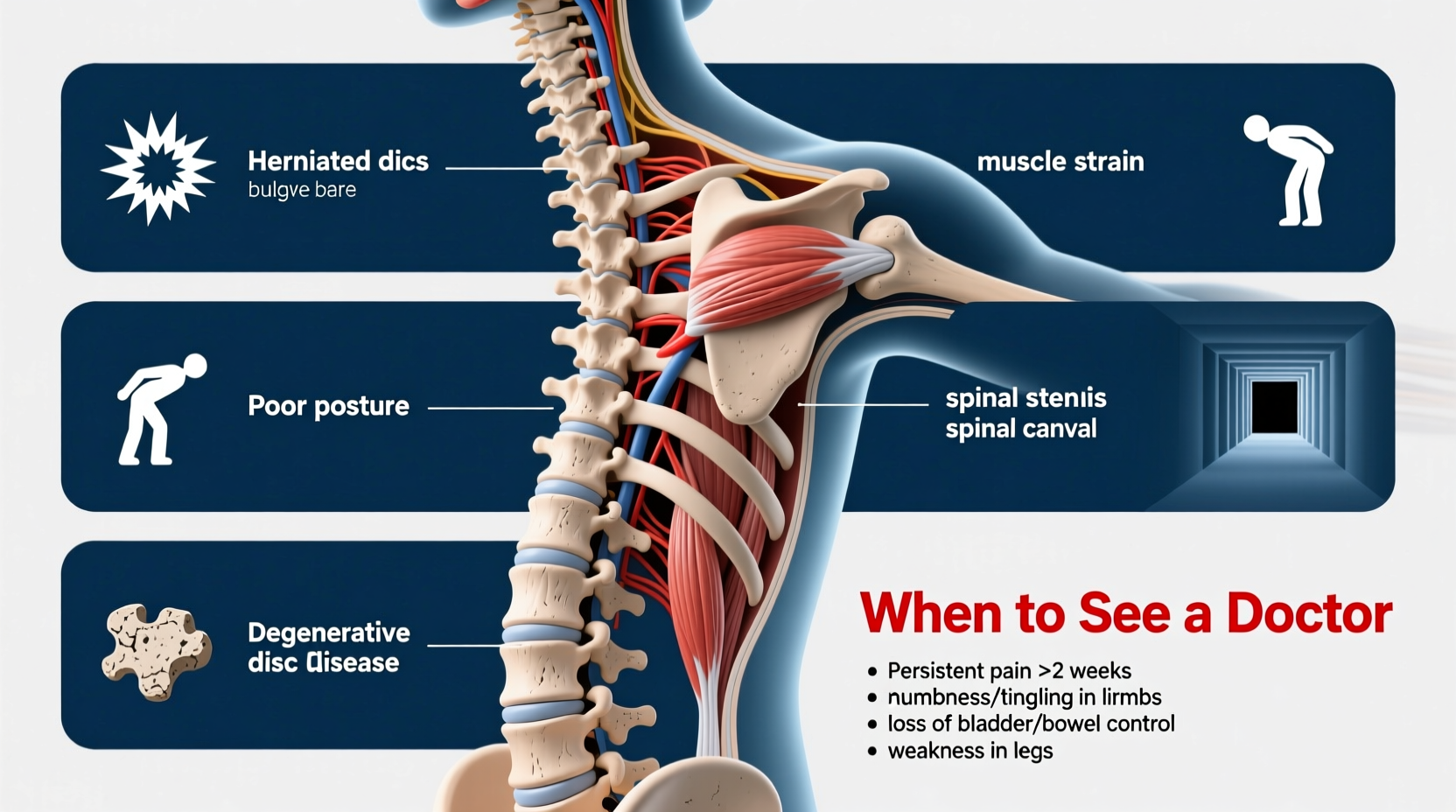
The spine is a complex structure made up of vertebrae, discs, muscles, ligaments, and nerves. Any disruption in this system can lead to pain. The most frequent causes include:
- Muscle or ligament strain: Overuse, poor posture, or sudden awkward movements can stretch or tear back tissues.
- Disc issues: Bulging or herniated discs press on nearby nerves, often causing radiating pain, numbness, or tingling.
- Spinal stenosis: Narrowing of the spinal canal, usually due to aging, which can compress the spinal cord or nerves.
- Osteoarthritis: Degeneration of joints in the spine, leading to stiffness and localized pain.
- Spondylolisthesis: When one vertebra slips forward over another, commonly in the lower back.
- Poor posture: Prolonged sitting, especially at desks or while using mobile devices, increases pressure on spinal structures.
- Injuries: Falls, sports accidents, or car crashes can result in sprains, fractures, or disc damage.
When to See a Doctor: Recognizing Red Flags
Most episodes of back pain improve within a few days to weeks with home care. However, certain symptoms should prompt immediate medical evaluation. These \"red flags\" may indicate serious underlying conditions such as infections, tumors, or nerve compression.
“Not all back pain is the same. If you experience unexplained weight loss, fever, or progressive weakness, don’t wait—get it checked.” — Dr. Lena Patel, Neurologist and Spine Specialist
Symptoms That Require Medical Attention
| Symptom | Possible Cause | Action |
|---|---|---|
| Pain radiating down the leg with numbness or weakness | Sciatica or nerve compression | See a doctor if symptoms persist beyond 1–2 weeks |
| Loss of bladder or bowel control | Cauda equina syndrome (medical emergency) | Seek emergency care immediately |
| Fever, chills, or unexplained weight loss | Infection or tumor | Consult a physician promptly |
| History of cancer and new-onset back pain | Possible spinal metastasis | Urgent imaging and specialist referral needed |
| Severe trauma (e.g., fall or accident) | Fracture or spinal injury | Go to ER; avoid movement until evaluated |
Diagnosis and Evaluation Process
If your symptoms warrant a visit to the doctor, expect a thorough assessment. Diagnosis typically begins with a detailed history and physical examination. Your doctor will ask about the onset, duration, location, and nature of the pain, as well as any associated symptoms like numbness or weakness.
Imaging studies are not always necessary initially. According to clinical guidelines, routine X-rays or MRIs are discouraged within the first six weeks unless red flags are present. Instead, doctors rely on functional tests, such as checking reflexes, muscle strength, and sensation, to assess nerve involvement.
Step-by-Step: What to Expect During a Spine Evaluation
- Medical History Review: Discuss past injuries, chronic conditions, activity levels, and family history.
- Physical Examination: Assess posture, range of motion, tenderness, and neurological function.
- Provocative Tests: Maneuvers like the straight leg raise test help identify sciatic nerve irritation.
- Imaging (if indicated): MRI for soft tissue detail, X-ray for alignment or fractures, CT for complex bone anatomy.
- Laboratory Tests: Blood work may be ordered if infection or inflammatory disease is suspected.
Real-Life Example: Recognizing a Serious Condition
Mark, a 52-year-old office worker, experienced mild lower back pain for several weeks. He assumed it was due to long hours at his desk. However, he began noticing increasing numbness in his inner thighs and difficulty starting urination. Concerned, he visited an urgent care clinic where a physician recognized signs of cauda equina syndrome. An emergency MRI confirmed severe spinal canal compression requiring immediate surgery. Thanks to timely intervention, Mark recovered without permanent neurological damage.
This case underscores the importance of not dismissing seemingly minor symptoms when they evolve into more serious warning signs.
Self-Care vs. Medical Treatment: What Works When
For non-emergency sore spine symptoms, conservative management is often effective. The goal is to reduce inflammation, maintain mobility, and prevent recurrence.
Home Care Checklist for Mild Back Pain
- Apply ice packs for the first 48 hours, then switch to heat
- Use over-the-counter pain relievers like ibuprofen or acetaminophen as needed
- Practice gentle stretches targeting the lower back and hamstrings
- Maintain good posture while sitting and standing
- Avoid heavy lifting or twisting motions
- Stay active—short walks every few hours help prevent stiffness
If pain persists beyond four weeks or worsens despite self-care, a visit to a primary care provider, physiatrist, or spine specialist is recommended. Treatments may include physical therapy, prescription medications, injections, or in rare cases, surgical consultation.
Frequently Asked Questions
Can stress cause a sore spine?
Yes. Emotional stress can lead to muscle tension, particularly in the neck and upper back. This tension may contribute to or worsen existing spinal discomfort. Mind-body practices like yoga, meditation, and deep breathing can help reduce stress-related back pain.
Is it safe to exercise with a sore spine?
It depends on the cause and severity. Low-impact activities such as walking, swimming, or guided stretching are generally beneficial. However, high-impact exercises, heavy weightlifting, or twisting motions should be avoided until pain improves. Consult a healthcare provider before resuming intense workouts.
How can I prevent recurring back pain?
Prevention involves strengthening core muscles, maintaining a healthy weight, practicing proper lifting techniques, and ensuring ergonomic setups at work and home. Regular physical activity and avoiding smoking also support long-term spinal health.
Conclusion: Take Charge of Your Spinal Health
A sore spine is common, but it shouldn’t be ignored—especially when accompanied by neurological symptoms or systemic signs. Most cases respond well to self-care and time, yet recognizing when to seek professional help is crucial for preventing long-term issues. Listen to your body, act early when red flags appear, and prioritize habits that support spinal wellness. Your spine carries you through life; give it the care it deserves.




 浙公网安备
33010002000092号
浙公网安备
33010002000092号 浙B2-20120091-4
Comments
No comments yet. Why don't you start the discussion?