
For time-strapped home cooks seeking consistent, tender, and flavorful results without the guesswork of traditional cooking methods, pre-packaged sous vide chicken from Trader Joe’s offers a compelling solution. Unlike raw poultry that demands precise temperature control, these ready-to-heat meals are fully cooked using the sous vide method in industrial facilities, then vacuum-sealed for freshness and food safety. Understanding how to properly handle, reheat, and enhance these convenient proteins transforms them from a pantry backup into a versatile ingredient for gourmet weeknight meals. This guide breaks down everything you need to know—from flavor profiles and reheating best practices to creative culinary applications and comparisons with other prepared proteins.
Definition & Overview
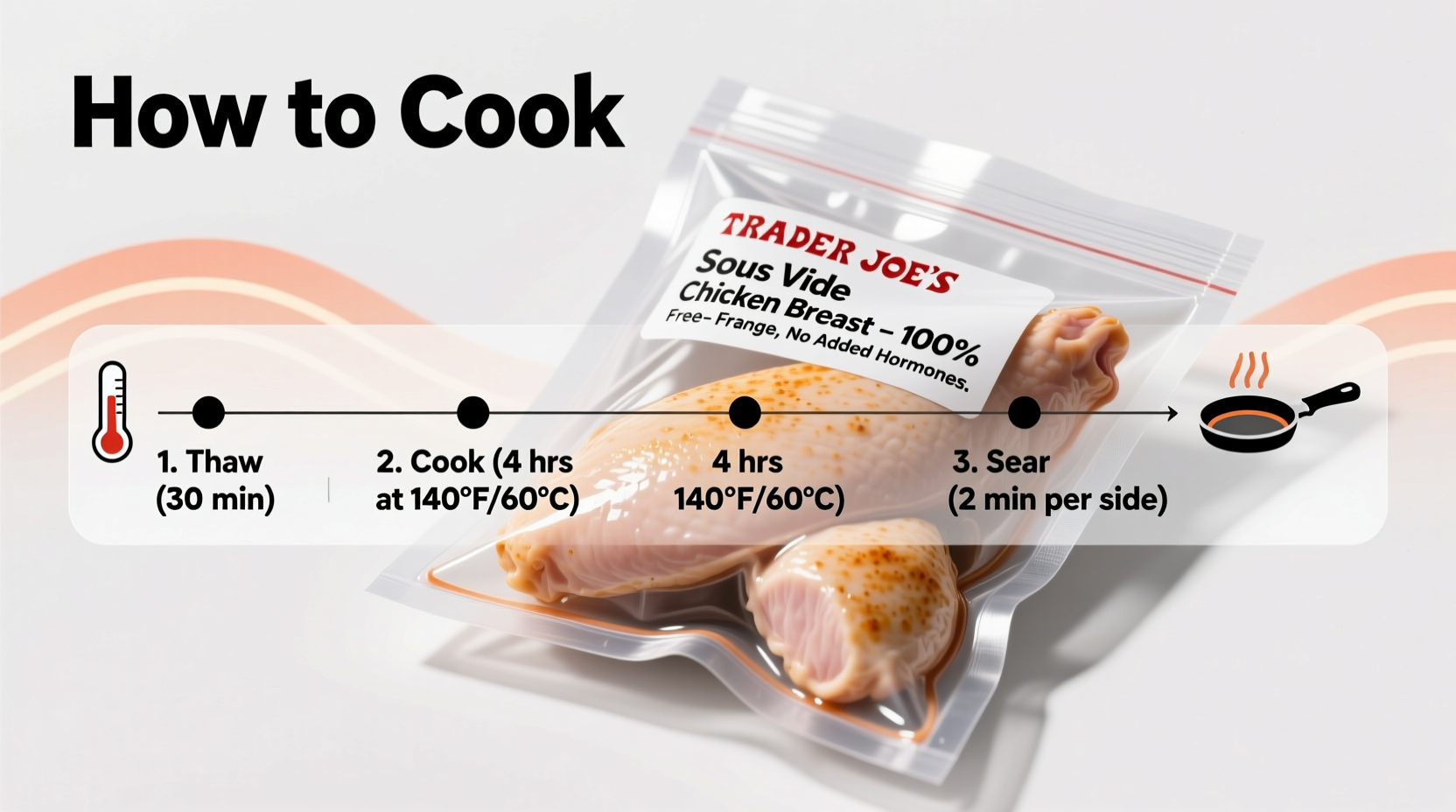
Sous vide chicken sold at Trader Joe’s refers to fully cooked, pasteurized chicken products that have been slowly heated in precisely controlled water baths—a hallmark of the sous vide technique—then sealed in vacuum pouches. These items are not raw; they are shelf-stable (when refrigerated) and designed for reheating rather than further cooking. The most common varieties include seasoned chicken breasts, lemon-herb marinated cuts, and garlic-infused options, all formulated to deliver restaurant-grade texture: juicy, uniformly tender, and never dry.
The term “sous vide” translates from French as “under vacuum,” describing both the packaging method and the low-temperature, long-duration cooking process. In professional kitchens, this technique allows chefs to achieve exact doneness by holding food at a constant temperature for hours. Trader Joe’s leverages commercial-scale sous vide systems to replicate this precision, ensuring each batch meets strict quality standards before reaching store shelves.
These products cater to consumers prioritizing convenience without sacrificing nutrition or taste. They require no prep work, eliminate cross-contamination risks associated with raw meat handling, and offer predictable outcomes—ideal for meal prepping, quick lunches, or building layered dishes like grain bowls, salads, or wraps.
Key Characteristics
| Characteristic | Description |
|---|---|
| Flavor Profile | Mildly seasoned with herbs, citrus, garlic, or spices depending on variety; subtle but distinct seasoning layers without overpowering saltiness. |
| Aroma | Faint herbal or citrus notes when opened; no metallic or off-putting odors if fresh and properly stored. |
| Texture | Uniformly tender, moist, and silky—never stringy or tough due to precise thermal processing. |
| Color/Form | Pale ivory to light golden hue; sliced or whole breast form; vacuum-packed in BPA-free plastic pouches. |
| Shelf Life (Unopened) | Typically 30–45 days when kept refrigerated below 40°F (4°C); check printed use-by date. |
| Culinary Function | Ready-to-eat protein base; functions as a time-saving foundation for composed dishes. |
| Nutritional Profile (per 4 oz serving avg.) | ~120–140 calories, 25g protein, 2–4g fat, minimal carbohydrates; low sodium compared to canned alternatives. |
Practical Usage: How to Use Trader Joe’s Sous Vide Chicken
The primary advantage of sous vide chicken from Trader Joe’s lies in its readiness. However, optimal usage involves more than simply opening and serving. Reheating method, seasoning adjustments, and pairing choices determine whether the final dish feels elevated or merely expedient.
Reheating Methods
Because the chicken is already cooked, reheating should focus on warming through gently to preserve moisture and avoid rubberiness.
- Water Bath (Recommended): Fill a pot with water and heat to 140°F (60°C). Submerge the unopened pouch and warm for 10–15 minutes. This maintains the original texture and prevents overcooking.
- Stovetop Simmer: Place sealed pouch in simmering water (do not boil) for 8–10 minutes. Boiling can degrade texture and cause leaks.
- Oven Method: Preheat oven to 275°F (135°C). Remove chicken from pouch, place on parchment-lined tray, cover loosely with foil, and warm 12–15 minutes. Best when finishing under broiler briefly for browning.
- Microwave (Fast Option): Transfer chicken to microwave-safe dish, cover with damp paper towel, and heat on 50% power in 60-second intervals until warmed. High risk of uneven heating or toughness if overheated.
Culinary Applications
While suitable for direct consumption, integrating sous vide chicken into broader recipes enhances perceived effort and complexity.
- Grain Bowls: Layer over quinoa, farro, or brown rice with roasted vegetables, avocado, pickled red onions, and tahini-lemon dressing.
- Salads: Slice thinly and add to kale Caesar, chopped Greek salad, or Nicoise-style plates. Warm chicken slightly before adding to wilt greens gently.
- Tacos & Wraps: Shred or dice and toss with smoked paprika, cumin, or chipotle for depth. Pair with slaw and crema in tortillas.
- Pasta Integration: Cube and stir into warm pasta with pesto, sun-dried tomatoes, spinach, and parmesan.
- Breakfast Hash: Dice and sauté with sweet potatoes, bell peppers, onions, and eggs for a high-protein morning dish.
Pro Tip: After removing from the pouch, pat the chicken dry and sear quickly in a hot skillet with olive oil for 60–90 seconds per side. This develops a Maillard crust, adding visual appeal and savory depth missing from plain sous vide texture.
Variants & Types Available at Trader Joe’s
Trader Joe’s rotates offerings seasonally, but several core variants remain staples due to customer demand. Each type serves different culinary purposes based on seasoning and format.
1. Lemon Herb Seasoned Chicken Breast
Bright, aromatic profile with rosemary, thyme, and lemon zest. Ideal for Mediterranean-inspired dishes, grain salads, or cold sandwiches. Often sold in 8 oz pouches containing one or two portions.
2. Garlic & Herb Marinated Chicken
Richer, deeper flavor with roasted garlic and parsley notes. Works well in creamy sauces, mashed into potato salads, or shredded into casseroles. Slightly more assertive than lemon-herb version.
3. Simply Seasoned (Minimally Spiced) Chicken
Lightly salted with black pepper and trace herbs. Designed for maximum versatility—perfect when you want full control over final seasoning. Excellent for curries, stir-fries, or blending into soups.
4. Rotisserie-Style Shredded Chicken (Limited Release)
Pre-shredded, slightly smoky, mimicking slow-roasted rotisserie birds. Convenient for tacos, enchiladas, or topping nachos. Less common but highly functional when available.
| Type | Best For | Pairing Suggestions |
|---|---|---|
| Lemon Herb | Salads, wraps, cold dishes | Feta, olives, arugula, tzatziki |
| Garlic & Herb | Pastas, casseroles, dips | Tomato sauce, cream cheese, mushrooms |
| Simply Seasoned | Custom seasoning, global cuisines | Curry blends, taco spice, teriyaki glaze |
| Rotisserie-Style Shredded | Quick fillings, Tex-Mex | Black beans, corn, cilantro-lime rice |
Comparison with Similar Ingredients
Consumers often confuse sous vide chicken with other prepared poultry products. Understanding distinctions ensures proper usage and sets accurate expectations.
| Product Type | Cooking Status | Texture | Shelf Life | Use Case Difference |
|---|---|---|---|---|
| Trader Joe’s Sous Vide Chicken | Fully cooked, pasteurized | Ultra-tender, uniform | 30–45 days refrigerated | No cooking needed; ideal for reheating and plating |
| Canned Chicken (e.g., Starkist) | Fully cooked, pressure-canned | Drier, sometimes fibrous | Years (shelf-stable) | Better for casseroles or dips where texture is masked |
| Rotisserie Chicken (Whole Bird) | Fully cooked, roasted | Varied—crispy skin, potentially dry breast | 3–4 days refrigerated | Great for family meals; requires carving and immediate use |
| Raw Chicken Breast (Vacuum-Packaged) | Raw, needs cooking | Depends on cooking method | 7–10 days refrigerated | Requires full preparation and carries food safety risks |
| Meal Kit Pre-Cooked Chicken (e.g., Blue Apron) | Fully cooked, flash-chilled | Similar to sous vide | 5–7 days refrigerated | Higher cost, shorter window; less accessible |
“Sous vide eliminates the single biggest variable in poultry cooking: temperature inconsistency. When done right, it produces the juiciest white meat possible. Retailers like Trader Joe’s make that precision accessible to everyday shoppers.” — Chef Elena Rodriguez, Culinary Instructor, Institute of Culinary Education
Practical Tips & FAQs
Can I freeze Trader Joe’s sous vide chicken?
Yes, though not recommended beyond 3 months. Freeze in original unopened packaging. Thaw overnight in the refrigerator before reheating. Texture may soften slightly after freezing due to moisture migration.
Is it safe to reheat multiple times?
No. Repeated temperature cycling increases bacterial risk. Reheat only the portion needed and consume immediately. Discard leftovers after 2 hours at room temperature or within 3 days if refrigerated post-reheating.
How do I enhance the flavor?
Marinate briefly (15–30 minutes) after reheating and slicing. Try soy-ginger marinade for Asian flair, chimichurri for brightness, or harissa oil for heat. Alternatively, finish with flaky sea salt, cracked pepper, or citrus zest just before serving.
Can I eat it cold?
Absolutely. The product is fully cooked and safe to consume straight from the pouch. It performs exceptionally well in cold applications like sandwiches, wraps, or picnic salads.
What’s the liquid in the pouch?
Natural juices released during cooking, combined with seasoning brine. It contains flavor and can be drizzled over the chicken or incorporated into sauces. Avoid discarding unless spoiled (foul smell or cloudiness).
Are there allergens?
Most varieties contain only chicken, water, salt, and natural flavors. However, always read labels—some seasonal versions may include dairy (butter), soy, or gluten-containing additives. Produced in facilities that process eggs, milk, wheat, and tree nuts.
Why does the texture feel different from home-cooked chicken?
The extended, low-temperature cook denatures proteins slowly, minimizing moisture loss. This creates a denser yet more succulent bite compared to roasted or grilled chicken, which loses more juice through evaporation and charring.
Storage Checklist:
• Keep refrigerated at or below 40°F (4°C)
• Check use-by date before purchase and consumption
• Store upright to prevent pouch leakage
• Do not open until ready to use
• If pouch is bloated or leaking, discard immediately—sign of spoilage
Summary & Key Takeaways
Trader Joe’s sous vide chicken represents a convergence of culinary science and consumer convenience. Fully cooked using precision temperature control, it delivers consistently tender, safe, and flavorful results without requiring kitchen expertise. Its primary value lies not in replacing scratch cooking, but in accelerating meal assembly while maintaining quality.
Understanding the differences between available variants—lemon herb, garlic-infused, simply seasoned, or shredded—allows for strategic selection based on intended recipe. Proper reheating via water bath preserves texture, while a quick sear adds professional flair. Compared to canned chicken or deli rotisserie birds, it offers superior moisture retention and cleaner flavor profiles.
When integrated thoughtfully into salads, bowls, pastas, or breakfast hashes, sous vide chicken becomes a silent hero—delivering high protein content and reliable taste with minimal active time. By treating it as a premium base ingredient rather than a fallback option, home cooks unlock new levels of efficiency without compromising on presentation or nutrition.
Next time you're at Trader Joe’s, pick up a pouch—not just for convenience, but as a tool for elevating everyday meals with confidence and consistency.




 浙公网安备
33010002000092号
浙公网安备
33010002000092号 浙B2-20120091-4
Comments
No comments yet. Why don't you start the discussion?