
Candles are more than just sources of light—they create ambiance, soothe the senses, and often serve as a centerpiece in homes, especially in compact living environments like studios, dorm rooms, or small apartments. But when space is limited, ventilation is reduced, and every breath matters, the type of candle you burn becomes more than an aesthetic choice—it becomes a health consideration. The debate between soy wax and paraffin wax candles has grown louder in recent years, particularly around indoor air quality. So, which wax burns cleaner in confined areas? The answer isn’t just about marketing claims; it’s rooted in chemistry, combustion byproducts, and real-world impact on respiratory health.
The Science Behind Candle Combustion
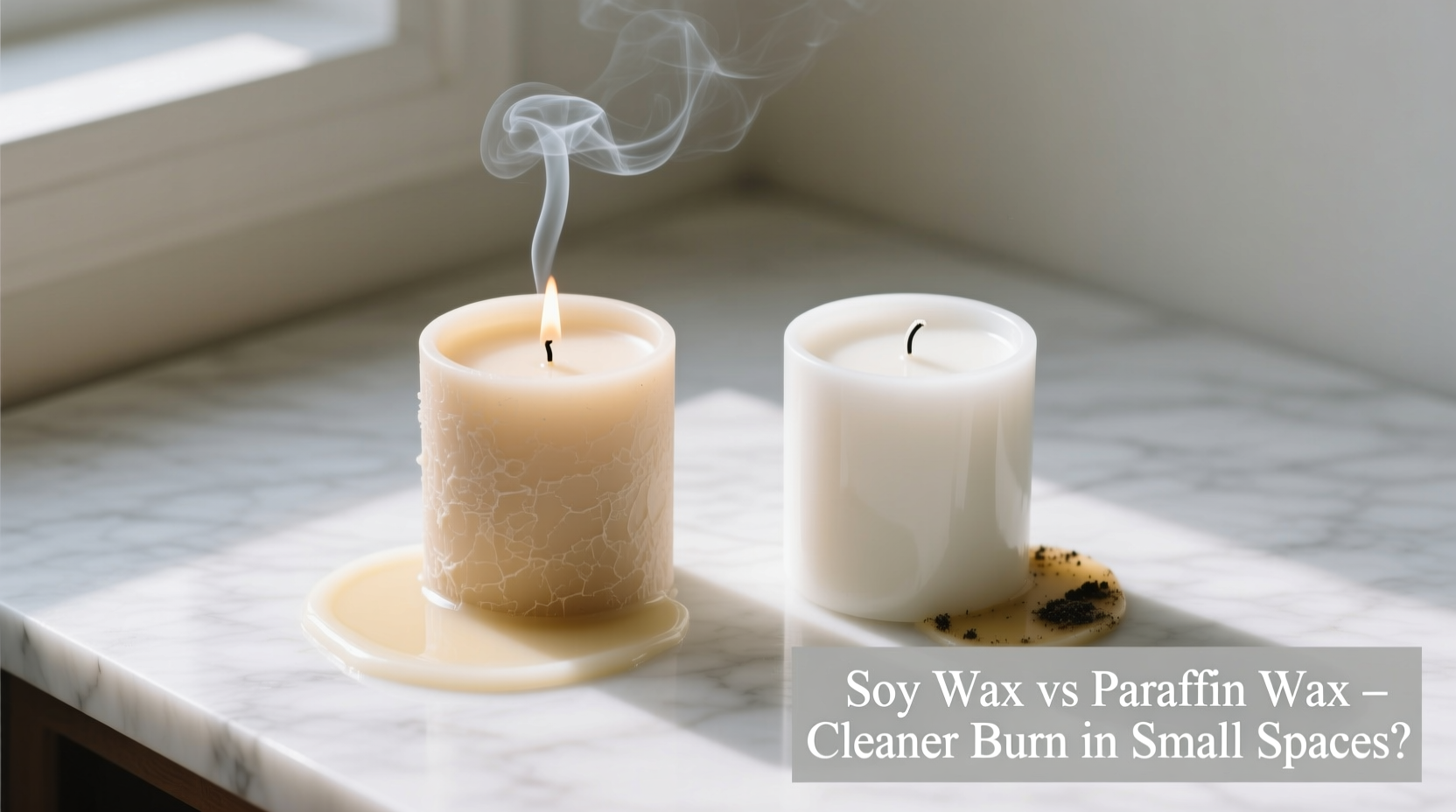
All candles work on the same basic principle: heat from the flame melts the wax, which is drawn up the wick via capillary action and vaporized into fuel that sustains the flame. During this process, incomplete combustion can produce byproducts such as soot, volatile organic compounds (VOCs), and other airborne particles. In small, poorly ventilated rooms, these pollutants can accumulate quickly, potentially affecting air quality and exacerbating allergies or asthma.
The key difference between soy and paraffin lies in their origin and chemical structure:
- Paraffin wax is a petroleum byproduct derived from crude oil refining. It’s chemically complex, composed of long-chain hydrocarbons that don’t always burn cleanly, especially if the wick or fragrance load is suboptimal.
- Soy wax is made from hydrogenated soybean oil, a renewable, plant-based material. Its molecular structure tends to burn at a lower temperature and with less soot production under ideal conditions.
While both waxes can be formulated to burn cleanly, their inherent properties lead to different baseline behaviors—especially in enclosed environments where air exchange is minimal.
Paraffin Wax: The Traditional Choice with Hidden Costs
Paraffin has been the dominant candle wax for over a century due to its low cost, excellent scent throw, and ease of use in manufacturing. However, multiple studies have raised concerns about its combustion byproducts. Research published in the Journal of Environmental Science and Technology found that burning paraffin candles—even high-quality ones—can release measurable amounts of benzene, toluene, formaldehyde, and acetaldehyde—all classified as carcinogens or irritants.
In small rooms, such as a 10x12 bedroom or a windowless bathroom, these compounds can linger. A 2009 study by South Carolina State University tested several types of candles and concluded that paraffin-based candles produced significantly more soot than soy or beeswax alternatives. This soot, while not always visible, can settle on walls, ceilings, and HVAC filters, and when inhaled, may contribute to respiratory irritation.
“Indoor air pollution from candles is often underestimated. In tight spaces, even short-term exposure to paraffin soot can affect sensitive individuals.” — Dr. Lena Patel, Indoor Air Quality Specialist, National Institute of Environmental Health
It’s important to note that not all paraffin candles are created equal. Premium paraffin blends with cotton wicks and minimal additives can reduce emissions. However, many mass-market candles use metal-core wicks (now largely phased out but still present in some imports) or synthetic fragrances that increase VOC output.
Soy Wax: Cleaner Burn, But Not Perfect
Soy wax is widely promoted as a “clean-burning” alternative, and for good reason. Being plant-based and biodegradable, it appeals to eco-conscious consumers. When properly formulated, soy wax produces up to 90% less soot than paraffin, according to data from the USDA and independent lab tests. Because it burns cooler and slower, it also tends to last longer—a benefit in any setting, but especially valuable in small homes where fewer items mean each one should perform well.
However, soy isn’t automatically clean. The quality varies dramatically based on sourcing and processing. Some “soy blend” candles contain as little as 50% soy, mixed with paraffin or palm wax to improve performance. Additionally, fragrance oils—whether natural or synthetic—can introduce VOCs regardless of the wax base. A heavily scented soy candle might emit more pollutants than a lightly fragranced paraffin one.
Another factor is wick type. Soy wax performs best with flat cotton or paper-core wicks. Zinc- or tin-core wicks, sometimes used to stabilize taller containers, can release trace metals when burned—though levels are typically below safety thresholds, they’re still a concern in poorly ventilated areas.
Real-World Example: Apartment Dweller’s Experience
Jamila, a graphic designer living in a 450-square-foot Brooklyn studio, noticed frequent headaches and nasal congestion during winter months when she lit candles daily. After switching from a popular paraffin-vanilla candle to a 100% soy wax candle with essential oils, her symptoms improved within two weeks. She also observed less black residue on her white bookshelf near the windowsill. While not a clinical trial, her experience reflects a growing anecdotal trend among urban dwellers prioritizing indoor air quality.
Direct Comparison: Soy vs Paraffin in Small Spaces
To evaluate which wax truly burns cleaner in confined areas, consider the following factors:
| Factor | Soy Wax | Paraffin Wax |
|---|---|---|
| Soot Production | Low to very low (when pure and properly wicked) | Moderate to high (especially with synthetic fragrances) |
| VOC Emissions | Lower baseline; depends on fragrance load | Higher; known emission of benzene and toluene |
| Burn Temperature | Lower (~120°F melt point) | Higher (~130–150°F) |
| Air Quality Impact (small room) | Minimal with proper ventilation | Noticeable after 1–2 hours of continuous burn |
| Allergen Risk | Low (unless soy-allergic) | Moderate (due to petrochemical residues) |
| Lifespan | Longer burn time per ounce | Shorter; faster consumption |
This comparison shows that soy wax generally offers superior performance in terms of emissions and air quality preservation—critical in small spaces where pollutants concentrate rapidly. However, the advantage only holds if the candle is made with high-quality ingredients and clean-burning practices.
How to Choose the Cleanest Candle for Small Spaces
Not all soy candles are safe, and not all paraffin candles are dirty. The key is informed selection. Follow this checklist to minimize indoor pollution:
✅ Clean Candle Checklist
- Check the wax content: Look for “100% soy wax” or “all-natural soy.” Avoid “blends” unless the non-soy component is beeswax or coconut wax.
- Inspect the wick: Ensure it’s 100% cotton or wood. Avoid candles with “metal-core” wicks unless explicitly labeled as lead-free (most are, but zinc and tin can still off-gas).
- Read the fragrance list: Opt for candles scented with essential oils or phthalate-free fragrance oils. Avoid vague labels like “perfume” or “aroma.”
- Look for certifications: NSF, Greenguard Gold, or MADE SAFE indicate third-party testing for low emissions.
- Burn test: After 30 minutes, check for visible soot on nearby surfaces. Any blackening indicates incomplete combustion.
Best Practices for Burning Candles Safely in Small Rooms
Even the cleanest candle can pollute if misused. Follow this step-by-step guide to maintain healthy indoor air:
- Limit burn time: Never burn any candle for more than 4 hours continuously. In small spaces, aim for 1–2 hours max.
- Ensure airflow: Open a door or crack a window slightly to allow fresh air circulation. Use exhaust fans if available.
- Place strategically: Keep candles away from corners, curtains, and return air vents to avoid localized pollutant buildup.
- Monitor for symptoms: If you experience headaches, eye irritation, or coughing, extinguish the candle immediately and ventilate the room.
- Extinguish properly: Use a snuffer or wick dipper instead of blowing, which can scatter soot particles into the air.
For those with asthma, allergies, or pets (especially birds, which have sensitive respiratory systems), consider flameless LED alternatives or essential oil diffusers as safer options.
Frequently Asked Questions
Are soy wax candles completely non-toxic?
No candle is 100% non-toxic when burned, as combustion inherently produces some byproducts. However, pure soy wax with cotton wicks and natural fragrances comes closest to being non-toxic. Always verify ingredient transparency with the manufacturer.
Can I mix soy and paraffin candles in the same room?
Technically yes, but doing so increases cumulative VOC and particulate levels. In small spaces, it’s better to stick with one clean-burning option and avoid layering emissions from multiple sources.
Do “natural” or “organic” labels guarantee a clean burn?
Not necessarily. These terms are largely unregulated in the candle industry. Focus on specific details: wax composition, wick type, and third-party certifications rather than marketing language.
Conclusion: Making Safer Choices for Your Space and Health
When it comes to burning candles in small spaces, soy wax clearly outperforms paraffin in terms of soot reduction, lower emissions, and overall air quality impact. However, the benefits depend entirely on product quality. A poorly made soy candle can be dirtier than a premium paraffin one. The safest approach combines choosing 100% soy wax with clean wicks and responsible burning habits—especially limiting duration and ensuring ventilation.
Your home should be a sanctuary, not a source of hidden pollutants. By understanding the differences between soy and paraffin wax—and making informed decisions—you protect not just your walls from soot stains, but your lungs from invisible contaminants. The next time you light a candle in your cozy apartment or home office, let it be a moment of calm, not a compromise on health.




 浙公网安备
33010002000092号
浙公网安备
33010002000092号 浙B2-20120091-4
Comments
No comments yet. Why don't you start the discussion?