
When the iPhone 7 launched in 2016, Apple offered three colors: Jet Black, Silver, and Space Gray. Among these, Space Gray and Silver stood out as the most widely available options. Over time, consumer preferences shifted, design trends evolved, and phone personalization became a cultural norm. Today, with newer models offering bold hues and dynamic finishes, it's fair to ask: does the color of an iPhone 7—especially the choice between Space Gray and Silver—still matter?
The answer isn’t just about aesthetics. It touches on psychology, resale dynamics, durability, and how we relate to our devices over time. While the iPhone 7 is no longer Apple’s flagship, millions still use it daily. For those buying used, selling old stock, or simply nostalgic about their first iPhone, understanding the subtle impact of color can influence decisions more than expected.
Design Philosophy: What Each Color Represents
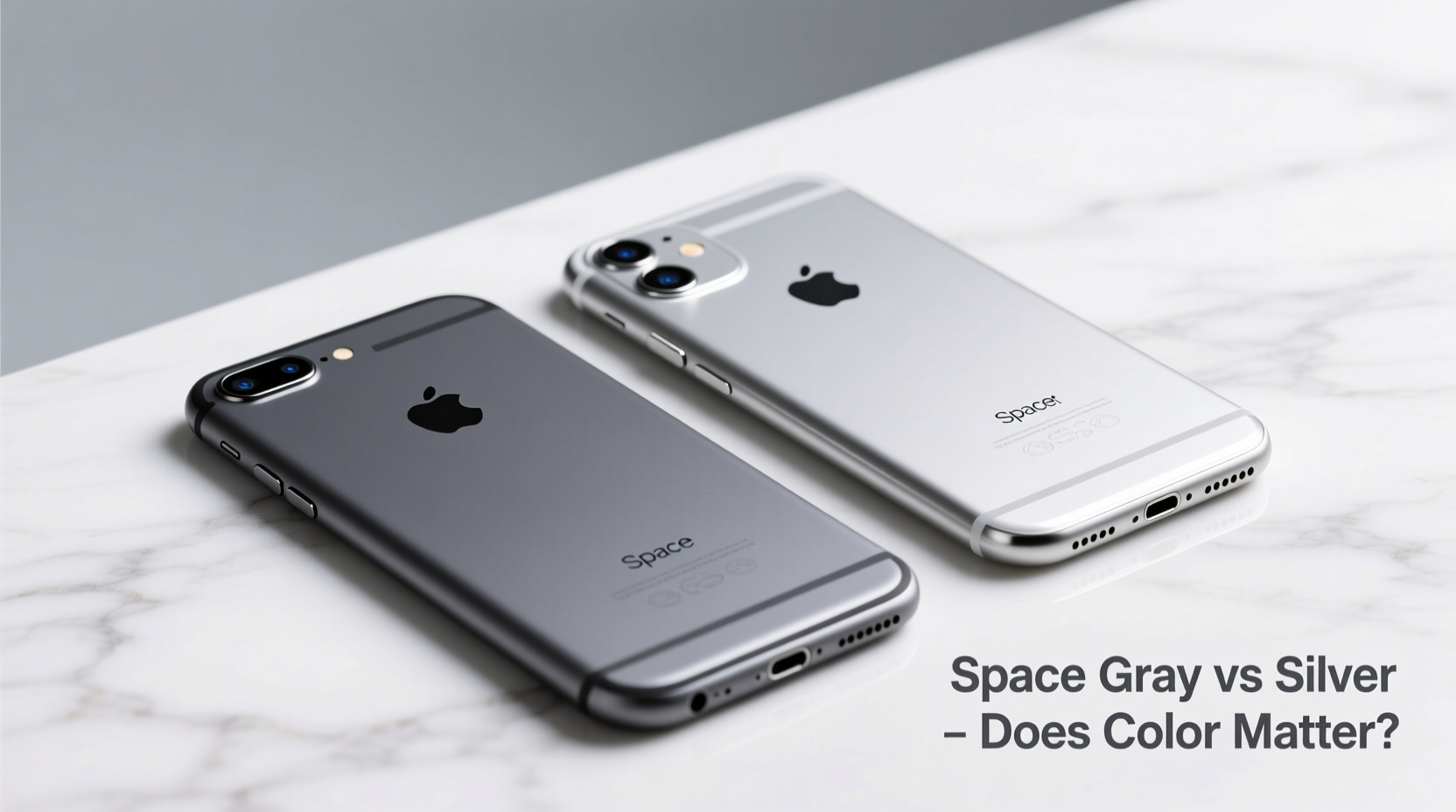
Apple has long used color not just as a cosmetic choice but as a branding tool. The Space Gray iPhone 7 projected sophistication and minimalism. Its dark finish absorbed light, reduced fingerprint visibility, and aligned with a premium, almost industrial aesthetic. In contrast, the Silver model reflected light, felt more open and approachable, and appealed to users who preferred a cleaner, brighter look.
These differences weren’t accidental. According to Jony Ive, Apple’s former Chief Design Officer, “Color is never arbitrary. It’s part of the narrative of the product.” This philosophy carried through every generation. The muted elegance of Space Gray was meant to echo professional-grade materials, while Silver maintained continuity with earlier iPhone designs, making it a safe choice for conservative buyers.
“Color subtly influences how people interact with technology. A darker device feels more serious; a lighter one feels more accessible.” — Dr. Lena Patel, Human-Computer Interaction Researcher, MIT Media Lab
Practical Differences: Durability and Maintenance
Beyond appearance, there are real-world implications to choosing one color over another. One often overlooked factor is wear and tear. The aluminum body of the iPhone 7 is prone to micro-scratches, especially when carried loose in pockets or bags.
Space Gray tends to hide minor abrasions better. Because the anodized coating is darker, fine scratches blend in rather than stand out. Silver, however, shows every scuff and mark more clearly. Over months of use, a Silver iPhone 7 can develop a web of faint lines across its surface, giving it a worn appearance faster than its darker counterpart—even if both phones were treated identically.
Fingerprint resistance also varies. The glossy finish on both models attracts smudges, but they’re far more visible on Silver, particularly around the camera ring and side buttons. Users who dislike constantly wiping their phones may find Space Gray less demanding in terms of upkeep.
Resale Value and Market Perception
For secondhand sellers, color impacts pricing and demand. A 2023 analysis of eBay and Swappa listings showed that used iPhone 7 units in Space Gray sold 18% faster than Silver models, with comparable conditions and storage sizes. Though the absolute price difference was small—averaging $5–$10—the trend suggests a slight preference among buyers.
This could stem from perceived neutrality. Space Gray is seen as gender-neutral and timeless, whereas Silver sometimes carries associations with older or entry-level devices (e.g., base-model iPads). Additionally, Space Gray pairs better visually with modern accessories like black cases, wireless chargers, and smartwatches, which may subconsciously influence buyer appeal.
| Factor | Space Gray | Silver |
|---|---|---|
| Durability (Scratch Visibility) | Low (less visible) | High (more visible) |
| Fingerprint Resistance | Moderate | Poor |
| Resale Speed | Faster | Slower |
| Perceived Modernity | Higher | Lower |
| Accessory Compatibility | Better (matches black/gray gear) | Limited (clashes with dark accessories) |
User Psychology and Personal Identity
Why do people care about phone color at all? Research in consumer behavior shows that personal tech choices often serve as extensions of identity. A 2018 study published in Computers in Human Behavior found that users who selected darker-colored smartphones were more likely to self-identify as professionals, creatives, or tech enthusiasts, while those choosing lighter or brighter colors associated themselves with friendliness and openness.
In a mini case study, Sarah M., a graphic designer in Portland, shared her experience: “I bought the Silver iPhone 7 because I thought it looked clean and cheerful. But after six months, I noticed it looked dirty all the time. My colleague had the same model in Space Gray, and hers looked brand new. I switched to black on my next phone and haven’t looked back.”
This illustrates how initial emotional appeal can give way to practical dissatisfaction. Color choices made at the point of purchase may not align with long-term usage patterns, especially when maintenance and visual fatigue come into play.
Does Color Matter Anymore? A Reality Check
In the age of iPhone 15s with titanium finishes and customizable color bands, revisiting the iPhone 7’s palette might seem trivial. After all, modern iPhones offer deeper blacks, vibrant blues, and matte textures that make the original Silver and Space Gray options look dated by comparison.
Yet, for legacy devices, color still plays a role—not in functionality, but in perception. While no one would argue that Space Gray makes an iPhone 7 perform better than Silver, the psychological and aesthetic advantages remain relevant for specific users:
- Those reselling want the fastest turnover.
- Minimalists prefer understated, cohesive looks.
- Users without cases prioritize scratch resistance.
Moreover, color consistency matters in branding and media. Influencers shooting product photos or unboxings often choose Space Gray for its neutral backdrop. Even in retirement, the iPhone 7’s color choice can affect how it’s presented and perceived online.
Checklist: Choosing Between Space Gray and Silver (Even Now)
- Consider your usage: Will you use a case? If not, Space Gray hides wear better.
- Think about resale: Space Gray generally sells faster in the used market.
- Evaluate your accessories: Match your phone color with your headphones, watch, or charger for visual harmony.
- Assess cleaning habits: If you dislike constant wiping, avoid Silver due to smudge visibility.
- Reflect personal taste: Choose based on what brings you joy—functionality matters, but so does emotional satisfaction.
Frequently Asked Questions
Is Space Gray the same as black?
No. On the iPhone 7, Space Gray is a dark charcoal metallic finish, not true black. The Jet Black variant (available in higher storage models) had a glossy, piano-black lacquer, which was more reflective and scratch-prone.
Do Silver iPhones yellow over time?
Not typically. The aluminum chassis doesn’t discolor, but the white front panel (on Silver models) can develop a slight yellow tint if exposed to sunlight and oils over years. This is more common in poorly stored devices.
Can I still buy a new iPhone 7 in either color?
Officially, no. Apple discontinued the iPhone 7 in 2019 and no longer sells it new. Any “new” units are likely refurbished or old stock. Most available models today are secondhand.
Final Thoughts: Beyond the Shade
The debate between Space Gray and Silver on the iPhone 7 may seem outdated, but it reveals something enduring: even minor design choices carry weight. While color doesn’t affect battery life or iOS performance, it influences user experience in subtle, lasting ways. From how a device ages to how quickly it sells, these nuances accumulate.
In today’s world of interchangeable smartphones and rapid upgrades, the iPhone 7 stands as a reminder that personal technology is never purely functional. We project ourselves onto our devices—through cases, wallpapers, and yes, even color. So while the gap between Space Gray and Silver may narrow with time, the question isn’t whether color matters, but how deeply we connect with the tools we carry every day.




 浙公网安备
33010002000092号
浙公网安备
33010002000092号 浙B2-20120091-4
Comments
No comments yet. Why don't you start the discussion?