
A malfunctioning speedometer is more than just an inconvenience—it's a safety hazard. Without an accurate reading of your vehicle’s speed, you risk speeding unknowingly, failing state inspections, or even causing accidents. The good news is that most issues behind a non-working speedometer are diagnosable and often repairable without replacing the entire instrument cluster. Understanding the root causes, recognizing early symptoms, and knowing how to respond can save time, money, and keep you safe on the road.
How a Speedometer Works: A Quick Overview
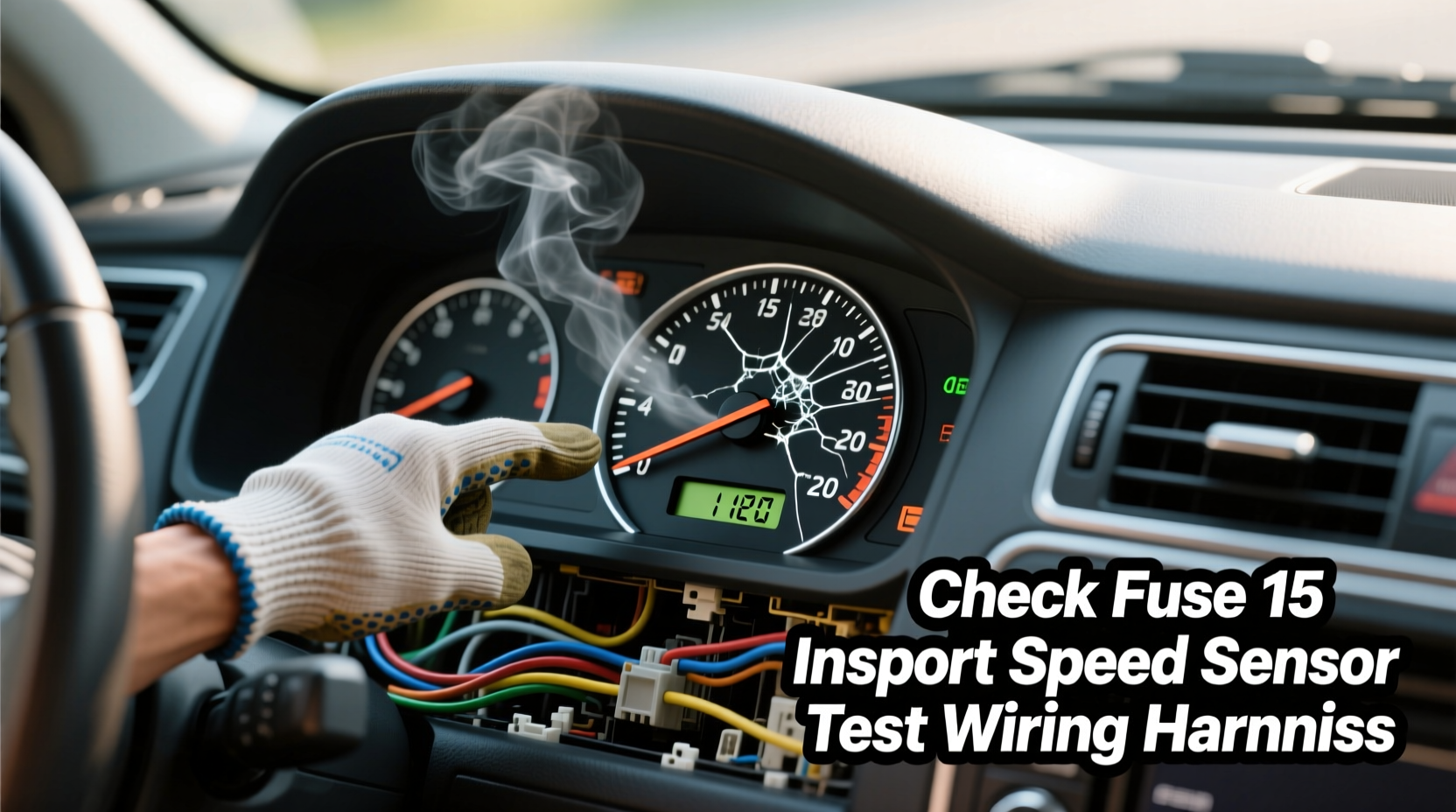
Modern vehicles use either mechanical or electronic speedometers. Older models rely on a mechanical cable connected from the transmission to the back of the speedometer. As the transmission spins, the cable turns, moving the needle across the dial. Newer cars use electronic sensors—typically the Vehicle Speed Sensor (VSS)—that send digital signals to the Engine Control Unit (ECU), which then relays data to the dashboard display.
Regardless of type, both systems depend on precise input from moving parts or sensors. When any component fails or sends incorrect data, the speedometer stops functioning correctly—or at all.
Common Causes of a Non-Working Speedometer
The failure of a speedometer rarely happens in isolation. It's usually a symptom of a deeper issue within the vehicle’s drivetrain or electrical system. Below are the most frequent culprits:
- Failed Vehicle Speed Sensor (VSS): The most common cause in modern vehicles. If the VSS malfunctions, no speed data reaches the ECU or dashboard.
- Broken Speedometer Cable: Found in older vehicles, this cable can snap, fray, or become disconnected due to wear or corrosion.
- Electrical Wiring Issues: Damaged, corroded, or loose wiring between the sensor and the instrument cluster can interrupt signal transmission.
- Faulty Instrument Cluster: Internal damage, such as burned circuits or failed stepper motors, can prevent the needle from moving or the digital display from updating.
- Transmission Problems: Since speed data originates in the transmission, internal mechanical failures can disrupt sensor readings.
- Blown Fuse: A simple but often overlooked issue—a blown fuse in the instrument panel circuit can disable the speedometer and other gauges.
- Software Glitches: In advanced vehicles with digital dashboards, corrupted firmware or software bugs may freeze or misreport speed.
Symptoms That Accompany a Faulty Speedometer
A failing speedometer rarely operates in silence. Other warning signs often appear before complete failure. Recognizing these early can help prevent further damage:
- Speedometer needle fluctuates erratically or sticks at zero.
- Digital speed display freezes or shows “No Signal.”
- Cruise control stops working or disengages unexpectedly.
- Check Engine Light illuminates with codes like P0500 (Vehicle Speed Sensor Circuit Malfunction).
- Odometer stops recording mileage.
- Transmission shifting becomes rough or delayed—especially in automatics.
- ABS and traction control lights come on due to missing speed data.
“Over 60% of speedometer failures in late-model vehicles trace back to the VSS or related wiring. Diagnosing the sensor first saves mechanics hours of unnecessary disassembly.” — Carlos Mendez, ASE-Certified Master Technician
Step-by-Step Guide to Diagnose and Fix the Issue
Follow this logical sequence to identify and resolve the problem efficiently:
- Inspect the Fuse Box: Locate the instrument cluster or speedometer fuse using your owner’s manual. Replace if blown.
- Scan for Trouble Codes: Use an OBD-II scanner to check for stored codes. P0500, P0501, or P0720 often point to speed sensor or transmission issues.
- Test the Vehicle Speed Sensor (VSS): Located on the transmission, remove the sensor and inspect for debris or damage. Use a multimeter to test resistance—compare readings to manufacturer specs.
- Examine Wiring and Connectors: Trace the wiring from the VSS to the ECU and cluster. Look for frayed wires, corrosion, or loose connections.
- Check Mechanical Components (if applicable): For older vehicles, inspect the speedometer cable for kinks, rust, or detachment. Lubricate or replace as needed.
- Verify Instrument Cluster Functionality: Remove the cluster and test independently. Some auto shops offer bench testing services.
- Update or Reset Software: On newer models, consult a dealership or technician about reprogramming the ECU or cluster firmware.
Do’s and Don’ts When Dealing With Speedometer Issues
| Action | Do | Don't |
|---|---|---|
| Diagnosis | Use an OBD-II scanner to retrieve error codes. | Guess the problem without checking codes or physical components. |
| Repairs | Replace faulty sensors with OEM or high-quality aftermarket parts. | Ignore related warning lights like ABS or Check Engine. |
| Driving | Limited driving using GPS speed apps until fixed. | Drive long distances or at high speeds without knowing actual speed. |
| Maintenance | Regularly inspect wiring and connectors during oil changes. | Use water-based cleaners near electrical components. |
Real Example: Diagnosing a 2014 Honda Accord with a Dead Speedometer
A 2014 Honda Accord owner noticed the speedometer needle dropped to zero during highway driving. The Check Engine Light was on, and cruise control wouldn’t engage. An initial scan revealed code P0500. The mechanic inspected the fuse—intact. He then located the VSS on the side of the transmission. Upon removal, the sensor tip was covered in metal shavings, indicating internal transmission wear. After cleaning and testing, the sensor showed inconsistent readings. A new OEM sensor was installed, the code cleared, and the speedometer returned to normal operation. The key takeaway: even a dirty sensor can mimic total failure.
When to Seek Professional Help
While some repairs—like fuse replacement or sensor swapping—are DIY-friendly, others require specialized tools and expertise. Consider professional assistance if:
- You lack an OBD-II scanner or experience interpreting codes.
- The issue involves transmission disassembly or complex wiring harnesses.
- The instrument cluster needs recalibration or soldering work.
- Multiple systems (ABS, transmission, engine) are affected simultaneously.
Dealerships and certified auto electricians have access to factory-level diagnostics and software updates that generic scanners can’t provide.
FAQ
Can I drive my car if the speedometer isn’t working?
You can, but it’s risky and often illegal. Use a GPS-based speed app temporarily, and get the issue fixed immediately. Driving with a broken speedometer may result in fines or failed inspections.
How much does it cost to fix a speedometer?
Costs vary widely. A fuse or sensor replacement ranges from $25–$150. Instrument cluster repair: $200–$500. Full cluster replacement: $500–$1,000+. Labor adds $50–$150 per hour.
Is a broken speedometer covered under warranty?
If your vehicle is under factory warranty or an extended plan, speed sensor and electrical issues are typically covered. Instrument cluster failures due to manufacturing defects may also be included. Check your warranty terms.
Conclusion: Stay Safe and Proactive
A non-functional speedometer shouldn’t be ignored. Whether caused by a $5 fuse or a failing transmission sensor, the underlying issue can escalate quickly. By understanding the symptoms, systematically diagnosing the cause, and taking timely action, you maintain control over your vehicle’s performance and your own safety. Don’t wait for a ticket or breakdown—address the problem now.




 浙公网安备
33010002000092号
浙公网安备
33010002000092号 浙B2-20120091-4
Comments
No comments yet. Why don't you start the discussion?