
Butter chicken—known in India as murgh makhani—is one of the world’s most beloved Indian dishes. Its creamy tomato-based sauce, tender marinated chicken, and richly spiced aroma have made it a global comfort food staple. Yet, many home cooks struggle to recreate its depth of flavor outside professional kitchens. The secret lies not in complexity, but in precision: an expertly balanced spice blend that layers warmth, sweetness, earthiness, and subtle heat. Understanding this blend is essential for achieving authenticity. This guide dissects the core spices behind genuine butter chicken, explains their roles, provides exact ratios, and offers practical techniques used in both home and restaurant cooking.
Definition & Overview
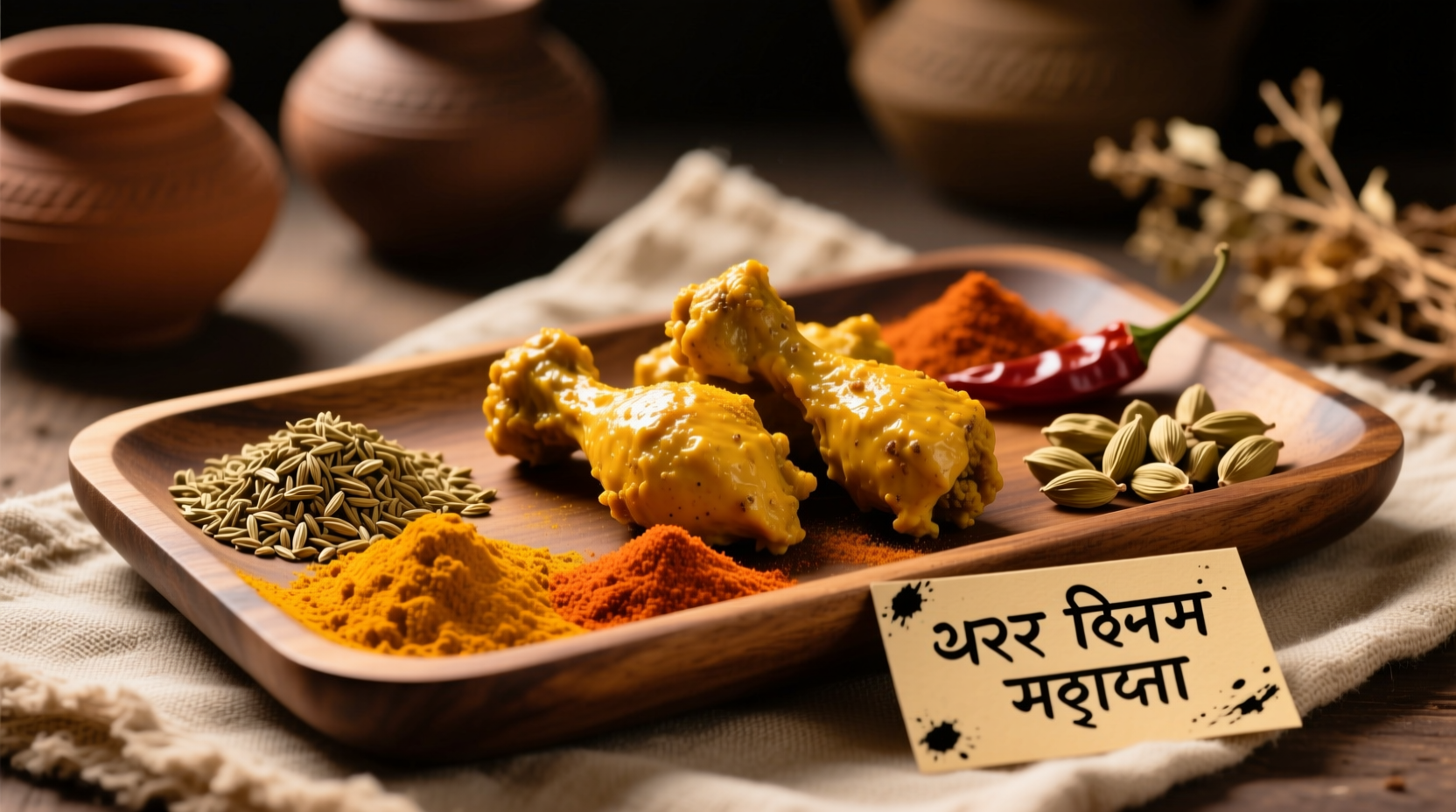
Authentic butter chicken originated in 1940s Delhi at Moti Mahal, a pioneering restaurant credited with inventing tandoori cooking and several now-classic North Indian dishes. When leftover tandoori chicken needed repurposing, chefs simmered it in a spiced tomato gravy enriched with butter and cream. The resulting dish—butter chicken—was born from resourcefulness but elevated by mastery of spice balance.
The defining element of authentic butter chicken isn’t just the sauce or cream; it’s the **spice blend** that transforms simple ingredients into something complex and harmonious. Unlike generic “curry powder,” this blend relies on whole and ground spices used in specific proportions to build layers: first fragrance, then warmth, followed by umami depth and aromatic finish. It belongs to the Punjabi culinary tradition, where spice mixes are rarely pre-blended but assembled per dish with intentionality.
This spice blend functions differently than those used in drier curries like vindaloo or chana masala. It must complement, not overpower, the delicate sweetness of tomatoes and dairy. Each spice contributes to color, body, and aftertaste, creating a rounded profile that lingers without burning.
Key Characteristics of the Butter Chicken Spice Blend
The hallmark of a true butter chicken spice mix is balance. No single spice dominates. Instead, they coalesce into a warm, golden-red sauce with floral highs, earthy lows, and a velvety mouthfeel. Below is a breakdown of the essential components and their characteristics:
| Spice | Flavor Profile | Aroma | Color Contribution | Heat Level (Scoville) | Culinary Function | Shelf Life (Ground) |
|---|---|---|---|---|---|---|
| Kashmiri Red Chili Powder | Mild, slightly sweet, smoky | Earthy, dried fruit-like | Bright red (vibrant hue without excessive heat) | 1,000–2,000 SHU | Color base, mild warmth | 12 months |
| Ground Coriander | Warm, citrusy, nutty | Lemon-pepper, floral | Light amber, enhances body | 0 SHU | Base note, thickens sauce slightly | 18 months |
| Ground Cumin | Earthy, pungent, slightly bitter | Toasted seed, savory | Golden-brown | 0 SHU | Aroma foundation, umami enhancer | 12 months |
| Garam Masala | Warm, sweet, complex (cinnamon, cardamom, clove) | Floral, woody, perfumed | Deepens overall tone | 0–500 SHU | Finishing spice, aromatic lift | 6–8 months |
| Turmeric Powder | Bitter, earthy, slightly metallic | Root-like, medicinal (in excess) | Intense yellow-orange (color anchor) | 0 SHU | Color, anti-inflammatory agent, stabilizer | 12 months |
| Fenugreek Leaves (Kasuri Methi) | Bittersweet, maple-like, herbal | Savory-sweet, roasted | Subtle green undertone | 0 SHU | Signature finish, prevents cloying sweetness | 24 months (dried) |
| Black Pepper (Freshly Ground) | Sharp, piney, mildly hot | Pungent, volatile | Negligible | 10,000 SHU | Heat modulation, bioavailability booster | 24 months (whole), 6 months (ground) |
Note: While some blends include ginger or garlic powder, traditional preparation uses fresh pastes. Dried forms are acceptable only when fresh is unavailable, but they lack brightness.
Practical Usage: How to Use the Spice Blend in Cooking
The correct use of spices is as important as their selection. In authentic butter chicken, timing and layering determine whether the final dish sings or falls flat. Follow these steps for optimal results:
- Bloom the Base Spices: After sautéing onions until golden, add ghee or butter. Stir in turmeric, coriander, cumin, and Kashmiri chili powder. Cook over medium heat for 60–90 seconds, stirring constantly. This step—called chaunk or tempering—releases volatile oils and removes rawness.
- Add Tomato Purée: Immediately follow with strained tomato purée (preferably canned San Marzano or fire-roasted). Simmer 8–10 minutes until oil begins to separate. This integrates the spice paste (masala) fully and deepens flavor through controlled reduction.
- Incorporate Pre-Cooked Chicken: Use grilled, roasted, or pan-seared chicken (traditionally tandoori-style, marinated in yogurt and spices). Add to the sauce gently to avoid breaking pieces.
- Finish with Garam Masala and Kasuri Methi: Off heat, crush 1–2 teaspoons of garam masala and 1 tablespoon of dried fenugreek leaves between palms and stir in. This preserves volatile aromatics lost during prolonged cooking.
- Enrich with Cream and Butter: Swirl in heavy cream (or malai) and a knob of unsalted butter. Do not boil after this stage—high heat can cause dairy to split.
Pro Tip: For restaurant-level silkiness, blend the cooked onion-tomato mixture before adding chicken. Strain if necessary for ultra-smooth texture. Many high-end kitchens do this even when serving rustic-style dishes.
Ratios Matter: For every 500g (1.1 lbs) of chicken, use the following base spice blend:
- Kashmiri chili powder: 1.5 tsp
- Ground coriander: 2 tsp
- Ground cumin: 1 tsp
- Turmeric powder: ½ tsp
- Garam masala: 1 tsp (half added late)
- Dried fenugreek leaves: 1 tbsp, crushed
- Fresh black pepper: ¼ tsp, freshly ground
This ratio ensures vibrancy without bitterness, richness without heaviness. Adjust Kashmiri chili down to 1 tsp if sensitivity to heat is a concern—or up to 2 tsp if using mild commercial blends.
Variants & Types of the Spice Blend
While the core blend remains consistent across regions, variations exist based on availability, dietary preferences, and kitchen philosophy:
1. Traditional Home-Style Blend
Uses whole spices dry-roasted and freshly ground. Includes small amounts of green cardamom and cinnamon beyond standard garam masala. Preferred for weekend cooking where time allows meticulous prep.
2. Restaurant Accelerated Blend
Relies on pre-ground spices for speed. Often includes a pinch of MSG (Ajinomoto), common in North Indian eateries for umami boost. Not essential but explains why some restaurant versions taste \"fuller.\"
3. Vegan Adaptation
Replaces ghee with coconut oil, omits cream (uses cashew or coconut milk). Fenugreek becomes more prominent to compensate for missing dairy tang. Some chefs add a drop of maple syrup to mimic the caramelized butter note.
4. Low-Fat Health-Conscious Version
Reduces butter and cream significantly. Compensates with increased tomato concentration and extra fenugreek. Risk: loss of mouthfeel unless xanthan gum (¼ tsp) is used as stabilizer.
| Type | Key Differences | Best Used When |
|---|---|---|
| Traditional Home-Style | Freshly ground, deeper aroma, no additives | Time permits, authenticity prioritized |
| Restaurant Accelerated | Pre-ground, faster, may include MSG | High-volume cooking, consistency required |
| Vegan Adaptation | No dairy, plant fats, maple hint | Serving vegan guests, plant-based diets |
| Low-Fat Version | Reduced fat, thicker base, less luxurious | Dietary restrictions, calorie-conscious meals |
Comparison with Similar Ingredients
The butter chicken spice blend is often confused with other Indian mixes. Clarifying these differences prevents culinary missteps:
- Curry Powder: A British colonial invention, typically sweeter, heavier on turmeric, and lacking fenugreek or regional specificity. Using curry powder instead yields a generic “Indian-flavored” dish, not authentic butter chicken.
- Tandoori Masala: Sharper, more acidic, with higher chili and garlic content. Designed for marinades, not sauces. Substituting it leads to overly spicy, dry-tasting results.
- Garam Masala Alone: While part of the blend, using only garam masala misses foundational spices like coriander and cumin, producing an unbalanced, perfume-like taste.
“The difference between good butter chicken and great butter chicken? Three things: the bloom of the masala, the quality of the fenugreek, and the moment you add the cream. Get those right, and the spices will carry you.”
— Chef Rajiv Biswas, former head of Indian cuisine at Junoon, New York
Practical Tips & FAQs
What is the role of kasuri methi (dried fenugreek leaves)?
Kasuri methi adds a bittersweet, almost maple-like complexity that cuts through the richness of cream and butter. Without it, butter chicken tastes flat and overly sweet. Never substitute fresh fenugreek—it has a grassy bitterness unsuitable for this dish.
Can I use paprika instead of Kashmiri chili powder?
Yes, but only if using sweet smoked paprika. Regular paprika lacks the fruity depth. For accuracy, blend 1 part cayenne with 3 parts sweet paprika to approximate Kashmiri chili’s color and mild heat.
Should I toast whole spices and grind them?
For maximum flavor, yes. Dry-toast cumin seeds and coriander seeds separately until fragrant (about 90 seconds), cool, then grind. Combine with other powders just before use. Freshly ground spices lose potency within weeks, so make in small batches.
How long does the spice blend last?
Pre-mixed, it keeps for 4–6 weeks in an airtight container away from light and heat. Beyond that, volatile oils degrade, leading to dull flavor. Label your jar with the mix date.
Is ghee necessary?
Ghee enhances nutty richness and carries fat-soluble flavor compounds in spices better than oil. However, unsalted butter works well. Avoid vegetable oils—they mute the spice profile.
Why does my sauce taste bitter?
Bitterness usually comes from one of three sources: overcooked turmeric (never exceed ½ tsp per 500g protein), burnt onions, or too much fenugreek. Always crush and add kasuri methi off-heat, and never cook turmeric longer than 90 seconds.
Can I freeze the spice blend?
No. Freezing ground spices causes condensation upon thawing, accelerating oxidation and mold risk. Store in a cool, dark cupboard instead.
Checklist: Building Your Own Butter Chicken Spice Blend
- ☑ Source high-quality Kashmiri chili powder (look for deep red, not orange)
- ☑ Use freshly ground coriander and cumin when possible
- ☑ Buy whole fenugreek leaves (not powdered)
- ☑ Choose a warm, balanced garam masala (not clove-heavy)
- ☑ Mix only what you’ll use in the next month
- ☑ Store in amber glass jar, away from stove heat
Summary & Key Takeaways
Authentic butter chicken depends on a meticulously balanced spice blend—not a single ingredient, but a symphony of seven core components working in concert. Kashmiri chili delivers color without scorching heat; coriander and cumin form the earthy backbone; turmeric provides golden depth; garam masala lifts the aroma; fenugreek finishes with bittersweet grace; and black pepper subtly sharpens the entire profile.
The method of use—blooming spices in fat, reducing with tomatoes, finishing off-heat—is as crucial as the ingredients themselves. Whether preparing a weeknight dinner or hosting guests, understanding this blend empowers home cooks to move beyond imitation toward true authenticity.
Variants exist for dietary needs and time constraints, but the principles remain unchanged: layer flavors, respect timing, and prioritize freshness. Avoid substitutions that compromise balance, especially replacing kasuri methi or skipping the bloom phase.
Final Thought: Mastering the butter chicken spice blend opens doors to broader Indian cooking. Once you understand how these spices interact in a creamy context, applying them to paneer makhani, dal makhani, or even soups becomes intuitive. Keep a small batch ready, follow the blooming technique, and let the aroma guide you.




 浙公网安备
33010002000092号
浙公网安备
33010002000092号 浙B2-20120091-4
Comments
No comments yet. Why don't you start the discussion?