
Most home cooks assume that spices last forever—after all, they’re dry, aromatic, and don’t spoil like dairy or meat. But while spices won’t make you sick if used past their prime, they can silently rob your dishes of depth, complexity, and authenticity. A bland curry, a flat tomato sauce, or an underwhelming roast may not be due to poor technique, but rather to a jar of ground cumin that’s been sitting on your shelf for eight years. Understanding the true shelf life of spices is essential for anyone who values vibrant, flavorful food. This guide breaks down exactly how long different types of spices last, how to store them properly, and how to tell when it’s time to replace them.
Definition & Overview
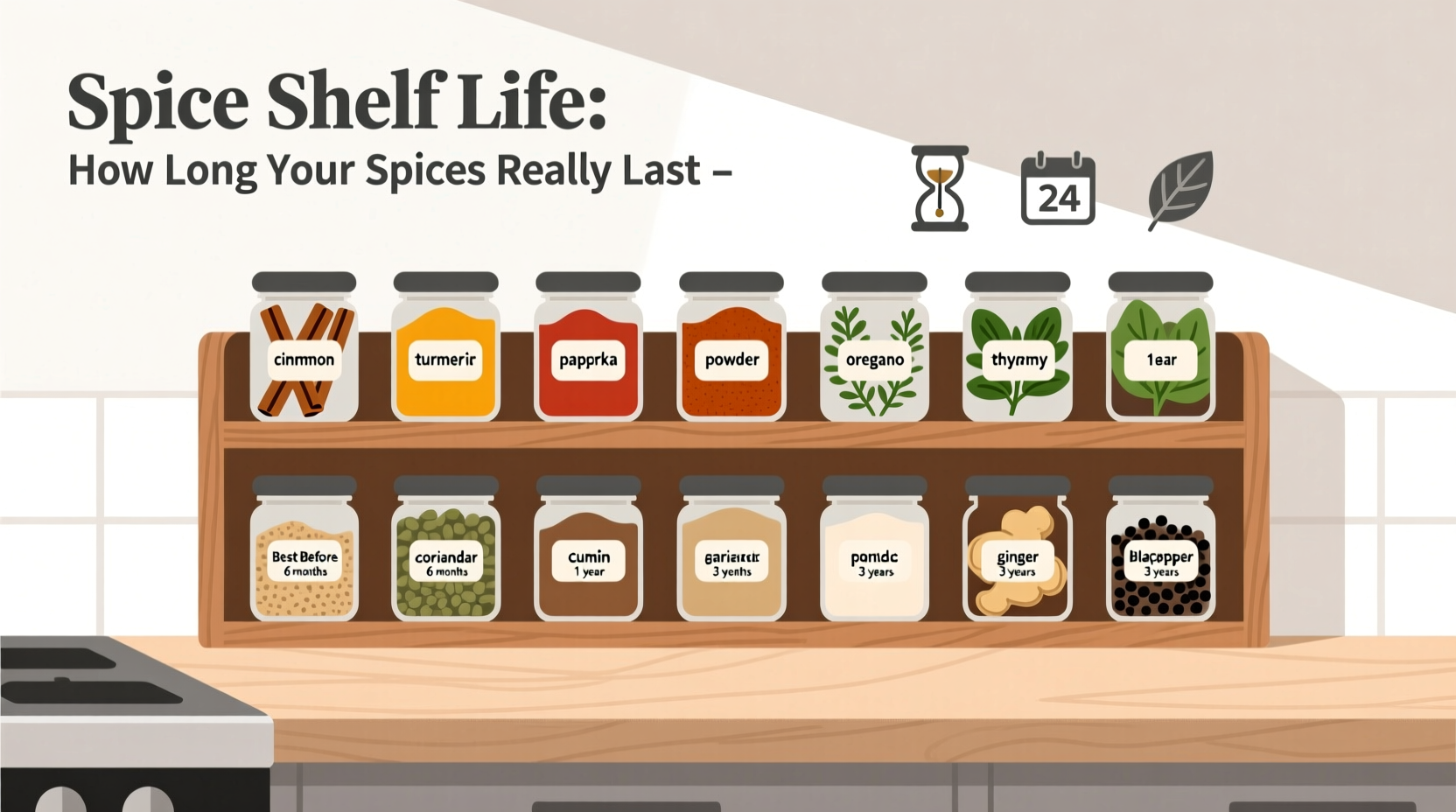
Spices are concentrated plant-derived ingredients used to enhance the flavor, aroma, color, and sometimes preservation of food. Unlike herbs, which typically come from the leafy green parts of plants (like basil or cilantro), spices are derived from seeds, bark, roots, fruits, or flower buds. Examples include cinnamon (bark), cloves (flower buds), black pepper (dried berries), turmeric (root), and cardamom (seed pods). Most spices originate from tropical regions and have been traded globally for centuries, forming the backbone of regional cuisines from India to Morocco to Mexico.
While fresh herbs deliver bright, grassy notes, spices offer warmth, depth, and complexity. Their potency comes from volatile oils—aromatic compounds that degrade over time. Once these oils evaporate, the spice loses its intensity and becomes little more than colored dust. The rate at which this happens depends on the form of the spice (whole vs. ground), storage conditions, and exposure to light, heat, and moisture.
Key Characteristics of Spices
The longevity and performance of a spice depend on several factors:
- Form: Whole spices retain their essential oils longer than ground versions.
- Origin: Freshness begins at harvest; spices shipped long distances may already be months old upon purchase.
- Processing: Ground spices have a larger surface area exposed to air, accelerating oxidation.
- Chemical composition: Some spices, like paprika and saffron, are rich in pigments sensitive to light, while others, like nutmeg, contain high levels of volatile oils that dissipate quickly.
Below is a summary of common spices and their typical shelf life under proper storage conditions:
| Spice | Type | Shelf Life (Whole) | Shelf Life (Ground) | Peak Flavor Window |
|---|---|---|---|---|
| Cinnamon (Ceylon/Cassia) | Bark | 3–4 years | 2–3 years | 18 months |
| Black Pepper | Seed | 4+ years | 2–3 years | 12–18 months |
| Cumin | Seed | 3–4 years | 2 years | 12 months |
| Coriander | Seed | 3 years | 1.5–2 years | 12 months |
| Paprika | Fruit powder | N/A | 1–2 years | 6–9 months |
| Turmeric | Root | N/A | 2–3 years | 12 months |
| Cloves | Flower bud | 3–4 years | 2 years | 18 months |
| Nutmeg | Seed | 4+ years (as whole nut) | 1 year | 6–8 months |
| Cardamom | Pod/seed | 3–4 years (in pod) | 1–2 years (ground) | 12 months |
| Saffron | Stigma | 2–3 years | 1–2 years | 12–18 months |
| Chili Powder | Blended fruit | N/A | 1–2 years | 6–12 months |
Note: “N/A” indicates that the spice is almost always used in ground form. Whole nutmeg and whole cinnamon sticks, however, offer dramatically longer shelf lives and superior flavor when freshly grated or broken.
Practical Usage: Maximizing Flavor in Cooking
Knowing a spice’s shelf life is only useful if you apply that knowledge in the kitchen. The difference between using fresh and stale spices can be as dramatic as the contrast between sun-ripened tomatoes and canned paste. Consider two batches of chili: one made with a recently opened jar of smoked paprika, the other with a five-year-old container. The first will have a deep, smoky sweetness; the second may contribute only a faint earthiness, requiring extra seasoning to compensate.
To use spices effectively:
- Buy whole when possible: Whole peppercorns, cumin seeds, coriander seeds, and cinnamon sticks retain flavor far longer. Invest in a small spice grinder or use a mortar and pestle for on-demand grinding.
- Toast before use: Dry-toasting whole or ground spices in a skillet over low heat releases trapped aromatics. This step revitalizes older spices slightly and deepens flavor in curries, rubs, and sauces.
- Add at the right time: Ground spices benefit from being added early in cooking to blend into the dish, while delicate spices like saffron or ground coriander are often bloomed in oil or steeped in liquid to extract maximum flavor.
- Use measured amounts: Relying on “a pinch” leads to inconsistency. Use standardized measurements until you develop intuition for potency.
Pro Tip: For critical dishes—such as biryanis, spice blends, or holiday baking—grind whole spices just before use. A microplane turns whole nutmeg into a fragrant snow that transforms custards and béchamel sauces. Similarly, freshly cracked black pepper has a citrusy bite absent in pre-ground versions.
Variants & Types: Choosing the Right Form
Many spices come in multiple forms, each with distinct advantages:
- Whole vs. Ground: Whole spices last longer and offer superior flavor but require preparation. Ground spices are convenient but lose potency faster.
- Organic vs. Conventional: While not directly affecting shelf life, organic spices are less likely to contain anti-caking agents or irradiation residues that may subtly alter taste.
- Single-Origin vs. Blends: Single-origin spices (e.g., Sumatra cinnamon, Madras turmeric) often have more pronounced characteristics. Blends like garam masala or Chinese five-spice should be treated as ground spices and used within 6–12 months.
- Freshly Dried vs. Commercial: Home-dried chilies or herbs may lack preservatives and fade faster than commercial products, which often include stabilizers.
For example, cinnamon exists primarily in two forms: Ceylon (“true” cinnamon) and cassia. Ceylon is lighter, more complex, and contains less coumarin (a compound harmful in large doses), but it’s also more expensive and less common. Cassia is stronger, spicier, and widely available. Both degrade over time, but Ceylon’s subtlety fades faster, making freshness even more critical.
Comparison with Similar Ingredients
Spices are often confused with similar pantry items. Understanding the differences helps avoid culinary missteps:
| Spice | Commonly Confused With | Key Differences | Shelf Life Comparison |
|---|---|---|---|
| Ground Cumin | Ground Coriander | Cumin is earthy, warm, and slightly bitter; coriander is citrusy and sweet. Often used together but not interchangeable. | Both last ~2 years ground, but cumin degrades faster in aroma. |
| Paprika | Chili Powder | Paprika is pure ground red pepper; chili powder is a blend (often with cumin, garlic). Smoked paprika adds depth without heat. | Paprika fades faster due to pigment sensitivity. |
| Turmeric | Curry Powder | Turmeric is a single spice (bitter, earthy, yellow); curry powder is a blend (includes turmeric, cumin, coriander). | Curry powder loses balance over time; turmeric stains but fades visually. |
| Whole Cloves | Allspice Berries | Cloves are pungent and sharp; allspice tastes like clove-cinnamon-nutmeg combined. Not substitutes in precise recipes. | Both last 3–4 years whole, but cloves lose punch faster when ground. |
Practical Tips & FAQs
How do I know if my spices are still good?
Perform a three-part test:
- Smell: Open the jar. If the aroma is faint or musty, it’s degraded.
- Color: Faded paprika or pale turmeric indicates loss of volatile oils and pigments.
- Taste: A pinch on the tongue should deliver immediate flavor. If it’s dull or dusty, replace it.
What’s the best way to store spices?
Store in airtight containers away from heat, light, and moisture. Avoid placing spice racks near the stove, oven, or dishwasher. Dark glass or opaque metal tins are better than clear plastic. Never store spices in the refrigerator unless specified (e.g., homemade blends with salt-free ingredients), as condensation promotes clumping and mold.
Should I refrigerate or freeze spices?
No, for most spices. Freezing can introduce moisture when jars are opened and closed. The exception is large quantities of rare or expensive spices (e.g., saffron threads) stored in vacuum-sealed portions. Even then, bring to room temperature before opening to prevent condensation.
Can I revive old spices?
Not truly. Toasting or heating may briefly release residual aromas, but it won’t restore lost compounds. You can extend usability by blending small amounts with fresh spices, but for signature dishes, start fresh.
Are expiration dates reliable?
Most labels list \"best by\" dates, not safety dates. These are estimates—often conservative—based on ideal storage. A sealed jar of cumin stored in a cool cupboard may outlast its date by a year, while one near a steam vent may degrade in six months.
How often should I replace my spices?
A general guideline:
- Ground spices: Replace every 1–2 years.
- Whole spices: Replace every 3–4 years.
- Herbs (dried): Replace every 1–2 years—they degrade faster than most spices.
- Blends: Replace every 6–12 months due to uneven degradation of components.
Storage Checklist:
☐ Store in dark, airtight containers
☐ Keep away from stove, sink, and sunlight
☐ Label with purchase date
☐ Buy in small quantities (enough for 6–12 months)
☐ Grind whole spices as needed
\"The moment you crack open a fresh jar of cardamom pods, you realize how much most people are cooking with ghosts. Old spices don’t burn your food—they bore it.\" — Chef Lila Nguyen, James Beard Award nominee and author of *The Spice Pantry*
Case Study: Reviving a Stale Pantry
A home cook in Portland decided to audit her spice collection after noticing her Indian dishes lacked vibrancy. She had 27 spice jars, many over five years old. After testing each, she kept only six: whole black peppercorns, cinnamon sticks, mustard seeds, dried bay leaves, star anise, and vanilla beans. She replaced the rest with fresh, whole versions where possible. Within weeks, her curries regained their depth, and her family noticed the difference. Her rule now: no spice stays past two years unless it’s whole and used infrequently.
Summary & Key Takeaways
Spices are not immortal. Their value lies in volatile oils that degrade over time, leading to diminished flavor and aroma. While they don’t pose a health risk when old, they compromise the quality of your cooking. To maintain peak performance:
- Prioritize whole spices over ground for longer shelf life and fresher flavor.
- Store spices in a cool, dark, dry place in airtight containers.
- Label jars with purchase dates and follow replacement guidelines.
- Test spices regularly using smell, color, and taste.
- Grind whole spices just before use for maximum impact.
Great cooking starts long before the stove is turned on—it begins with a well-maintained spice cabinet. By treating spices as perishable flavor assets rather than permanent fixtures, you ensure every meal benefits from their full aromatic potential. Replace with intention, store with care, and taste the difference in every bite.
Take inventory of your spice rack today. Discard anything older than two years (or three for whole spices), and consider investing in a small grinder. Your palate—and your guests—will thank you.




 浙公网安备
33010002000092号
浙公网安备
33010002000092号 浙B2-20120091-4
Comments
No comments yet. Why don't you start the discussion?