
As temperatures rise, so does the demand for lighter, more vibrant meals. Summer cooking calls for a shift in spice philosophy—not less flavor, but smarter flavor. The right spices can elevate seasonal produce, grilled proteins, and chilled beverages without overwhelming the palate or amplifying heat. Unlike winter’s reliance on warming spices like cinnamon and clove, summer demands brightness, herbaceousness, and subtle complexity. Understanding which spices align with seasonal ingredients and dining habits allows home cooks to craft dishes that are not only delicious but also temperature-appropriate and refreshing.
The essence of summer cuisine lies in balance: enhancing natural sweetness in ripe vegetables, complementing delicate seafood, and cutting through richness without relying on heaviness. This is where strategic spice use becomes essential. Rather than masking flavors, summer spices amplify them—adding dimension to tomato salads, citrus-based marinades, and herb-laden grain bowls. By choosing spices that harmonize with peak-season produce and outdoor cooking methods, you transform simple meals into culinary highlights.
Definition & Overview
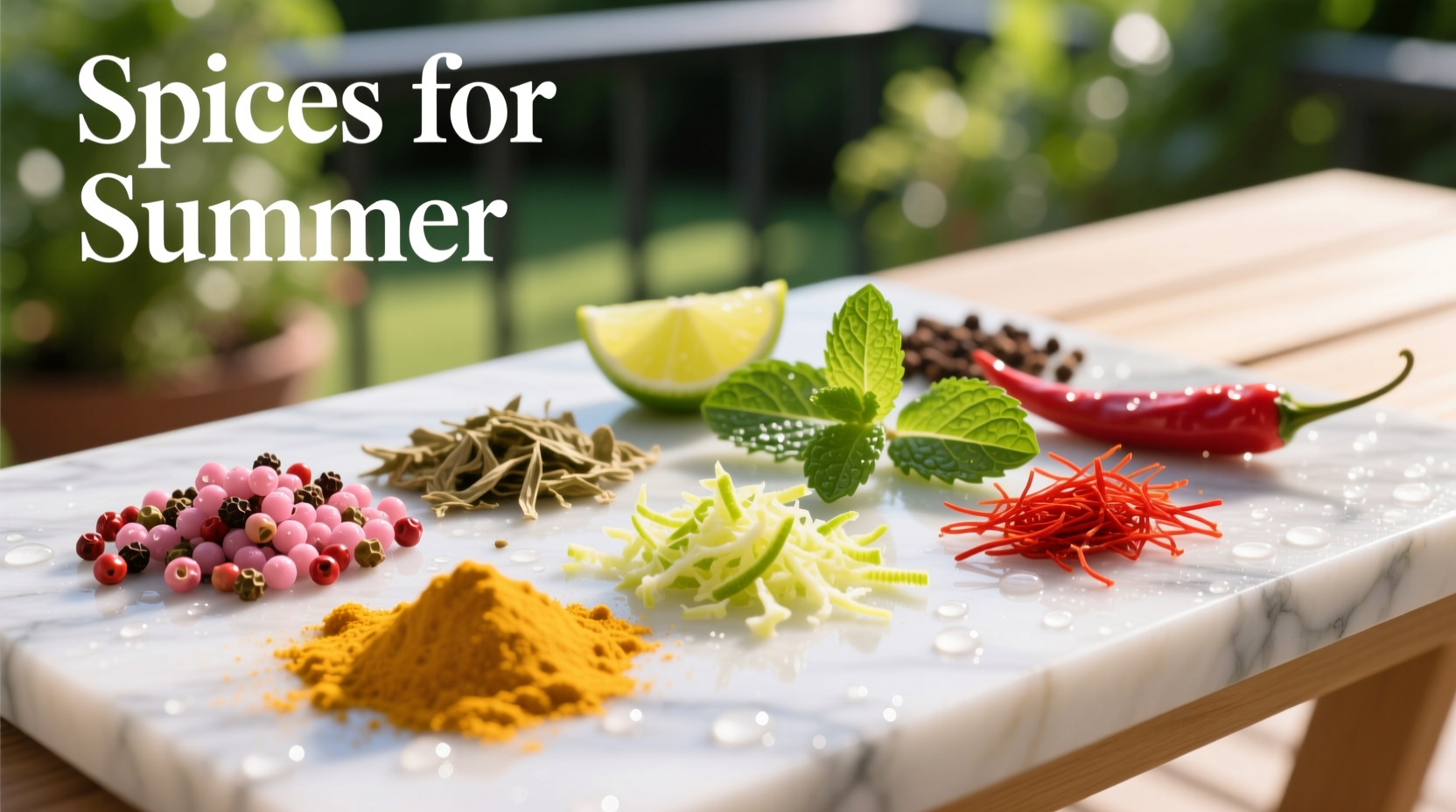
Summer spices refer to aromatic herbs and seasonings whose flavor profiles align with warm-weather cooking—typically characterized by freshness, brightness, and cooling qualities. These are not necessarily spices grown only in summer, but those that function optimally in seasonal dishes due to their ability to refresh rather than overwhelm. Many originate from Mediterranean, Southeast Asian, Middle Eastern, and Latin American cuisines, all known for their sun-driven culinary traditions.
Unlike robust, earthy spices used in stews and braises, summer spices often feature volatile oils that deliver immediate aroma and top-note freshness. They include dried herbs like dill and oregano, citrus-infused seasonings such as sumac, and pungent yet cooling agents like fresh mint and coriander. Their role is both functional and sensory: they stimulate appetite in hot weather, aid digestion, and provide contrast to grilled or oily foods.
Key Characteristics of Top Summer Spices
| Spice | Flavor Profile | Aroma | Heat Level | Culinary Function | Shelf Life (Dried) |
|---|---|---|---|---|---|
| Coriander Seed | Citrusy, slightly sweet, floral | Lemon peel, sage | Mild | Marinades, salsas, spice rubs | 2–3 years |
| Dill Seed & Weed | Grassy, anise-like, tangy | Fresh-cut hay, cucumber | None | Pickling, yogurt sauces, fish seasoning | 1–2 years (seed), 1 week fresh |
| Sumac | Tart, lemony, mildly tannic | Citrus zest, wild berries | None | Acidulant, garnish, salad dressing | 2 years |
| Fennel Seed | Sweet licorice, mild anise | Star anise, parsley root | None | Grilled vegetables, sausages, seafood | 3 years |
| Smoked Paprika (Pimentón) | Smoky, sweet, earthy | Woodfire, roasted pepper | Varies (sweet to hot) | Grill enhancement, cold soups, dips | 2 years |
| Mint (dried or fresh) | Cooling, sweet, herbal | Peppermint, eucalyptus | None (cooling effect) | Beverages, raita, tabbouleh, desserts | 6–12 months dried, 5 days fresh |
Practical Usage: How to Use Summer Spices Effectively
The hallmark of successful summer seasoning is restraint and timing. Because many summer dishes rely on raw or minimally cooked ingredients, spices must be introduced thoughtfully to avoid dominating delicate flavors. Below are actionable techniques for integrating key summer spices into everyday cooking.
Coriander Seed: Citrus Enhancer
Crush whole coriander seeds lightly before use to release their essential oils. Incorporate into vinaigrettes at a ratio of ½ teaspoon per ¼ cup of oil and vinegar. It pairs exceptionally well with stone fruits, cucumbers, and grilled chicken. For a quick spice rub, combine ground coriander with smoked paprika, garlic powder, and a pinch of sea salt—ideal for shrimp or scallops before grilling.
Dill: Freshness Amplifier
Fresh dill weed excels in cold applications. Stir into Greek yogurt with lemon juice, minced garlic, and grated cucumber for a tzatziki that cools spicy kebabs. Dill seed works better in cooked preparations; add to potato salad just after boiling potatoes to infuse flavor without bitterness. Use approximately 1 teaspoon of crushed seed per pound of potatoes.
Sumac: Natural Acidulant
Replace half the lemon juice in dressings with sumac to add depth without excess moisture. Sprinkle over hummus, fattoush salad, or grilled zucchini for instant tartness and visual appeal (its deep red color enhances presentation). A classic Lebanese technique uses sumac with thinly sliced onions soaked in water—this mixture cuts richness in lamb sandwiches and grilled meat platters.
Fennel Seed: Grill Companion
Toast fennel seeds in a dry pan until fragrant (about 90 seconds), then crush and mix with coarse salt for a finishing blend on grilled vegetables or fish. Fennel pollen, though pricier, delivers intense floral notes; a pinch suffices over melon or burrata. Whole seeds can be simmered in poaching liquid for white fish to impart subtle sweetness.
Smoked Paprika: Depth Without Heat
Sweet smoked paprika (pimentón dulce) adds campfire nuance without spiciness—perfect for gazpacho, romesco sauce, or deviled eggs. Whisk ¾ teaspoon into mayonnaise with garlic and sherry vinegar for a smoky aioli. Avoid high-heat cooking, which can make it bitter; instead, stir in during final plating.
Mint: Cooling Agent
Add fresh mint leaves at the very end of preparation to preserve their volatile oils. Chop finely and fold into quinoa salads, fruit salsas, or lamb burgers. For beverages, muddle 4–5 leaves gently in the bottom of a glass before adding iced tea or sparkling water. Dried mint works well in spice blends like za’atar or Persian advieh, where it contributes background coolness.
Pro Tip: When using dried summer herbs, rehydrate them briefly by mixing with a few drops of warm water or lemon juice before folding into dishes. This restores some of their fresh vibrancy and prevents a dusty texture.
Variants & Types: Choosing the Right Form
Many summer spices come in multiple forms, each suited to specific uses. Understanding these differences ensures optimal results.
- Coriander: Whole seeds retain flavor longer; ideal for grinding fresh. Ground coriander loses potency within six months and should be stored airtight.
- Dill: Fresh dill weed offers unmatched brightness but wilts quickly. Dill seed provides concentrated flavor for pickling and baking. Dried dill weed falls short in most applications and is best avoided unless no alternative exists.
- Sumac: Look for food-grade sumac (Rhus coriaria), not toxic varieties. Some blends contain added salt; check labels if sodium is a concern.
- Paprika: Choose between sweet (dulce), bittersweet (agridulce), and hot (picante) smoked versions. Sweet is safest for beginners; hot requires careful dosing.
- Mint: Peppermint is sharper; spearmint is sweeter and more versatile in savory dishes. Dried mint lacks punch but works in long-cooked legume dishes or spice mixes.
Comparison with Similar Ingredients
Several summer spices are commonly mistaken for others, leading to imbalanced dishes. Clarity improves precision in seasoning.
| Spice | Commonly Confused With | Key Differences |
|---|---|---|
| Coriander Seed | Cumin | Coriander is citrusy and floral; cumin is earthy and pungent. Coriander lacks cumin’s warmth and metallic edge. |
| Dill Seed | Fennel Seed | Dill seed is grassier and more pungent; fennel seed is sweeter with stronger anise notes. Not interchangeable in precise recipes. |
| Sumac | Vinegar or Lemon Juice | Sumac provides dry acidity with tannic structure; liquids add moisture. Sumac adds color and complexity beyond sourness. |
| Smoked Paprika | Regular Paprika | Smoked paprika has wood-fired depth; regular paprika is sweet and flat. Substituting one for the other changes the dish fundamentally. |
| Fresh Mint | Basil | Mint cools; basil warms. Mint pairs with dairy and citrus; basil complements tomatoes and mozzarella. Never substitute interchangeably in raw dishes. |
\"In Andalusian kitchens, we don’t add spices to cool down—we choose spices that already carry coolness in their nature. Sumac, mint, coriander: they’re not just flavors, they’re climate responses.\" — Elena Ruiz, Chef de Cocina, Granada
Practical Tips & FAQs
How do I store summer spices to maintain freshness?
Keep dried spices in airtight containers away from heat and sunlight. Whole seeds last significantly longer than ground forms. Fresh herbs like dill and mint should be stored stem-down in a glass of water, covered loosely with a plastic bag, and refrigerated. Replace every 3–5 days for peak quality.
Can I grow my own summer spices?
Yes. Coriander, dill, fennel, and mint are easy to cultivate in containers or gardens. Sow coriander in early spring; it bolts quickly in heat, so succession planting every three weeks ensures continuous harvest. Mint spreads aggressively—plant in pots to control growth.
What are common substitutions when a summer spice is unavailable?
- No sumac? Use lemon zest + a pinch of tamarind or amchur (mango powder) for tartness with depth.
- No fresh dill? Substitute chopped fresh tarragon (½ amount) or chervil for similar anise notes.
- No smoked paprika? Mix regular paprika with a drop of liquid smoke (sparingly) or grill bell peppers and blend into a paste.
- No coriander seed? A blend of lemon zest + caraway (½ tsp each per tsp coriander) mimics its profile loosely.
Are there health benefits to summer spices?
Many summer spices support digestion in hot weather. Coriander aids in reducing bloating; mint soothes the gastrointestinal tract; fennel seed acts as a natural carminative. Sumac contains antioxidants comparable to those in berries. While not medicinal replacements, their inclusion supports seasonal wellness.
When should I use fresh vs. dried spices in summer cooking?
Fresh herbs belong in raw dishes, garnishes, and last-minute additions. Dried spices work best in marinades, rubs, and cooked components like grilled vegetable glazes. Never substitute dried for fresh 1:1 in uncooked applications—dried herbs lack volatility and can taste dusty.
How much spice should I use in cold dishes?
Cold dulls flavor perception. Increase seasoning slightly—up to 25% more—than in hot dishes, but adjust gradually. Always taste after chilling, as flavors meld and intensify over time.
Checklist: Optimizing Summer Spice Use
- Buy whole spices and grind fresh when possible.
- Store in dark glass jars away from the stove.
- Use citrusy and tart spices to replace some salt.
- Pair cooling spices (mint, dill) with spicy grilled items.
- Rehydrate dried herbs in acidic liquids before use.
- Taste cold dishes after refrigeration—they often need re-seasoning.
- Label containers with purchase dates to track freshness.
Summary & Key Takeaways
Summer cooking thrives on intelligent spice selection. The goal is not to eliminate flavor but to refine it—choosing spices that enhance freshness, cut richness, and complement seasonal produce. Coriander, dill, sumac, fennel, smoked paprika, and mint stand out as essential tools for creating balanced, vibrant dishes that feel appropriate for the season.
These spices excel in their ability to refresh rather than weigh down. Whether used in a chilled soup, a citrus-marinated fish, or a smoky grilled vegetable platter, they contribute complexity without heaviness. Understanding their flavor profiles, proper usage, and storage ensures consistent results.
Equally important is knowing what to avoid: overuse of warming spices like black pepper, cumin, or cloves in large quantities, which can increase perceived body heat. Instead, favor bright, aromatic, and cooling agents that align with the physiological needs of hot weather.
By treating spices as seasonal ingredients themselves—not pantry afterthoughts—you gain greater control over your summer menu. Rotate your spice drawer just as you would produce: bring forward the citric, herbal, and smoky elements when the sun shines longest.
Call to Action: This summer, designate one \"spice spotlight\" per week. Try sumac on avocado toast Monday, dill in scrambled eggs Wednesday, and smoked paprika in a watermelon-feta salad Saturday. Track how each alters your perception of freshness and satisfaction. You’ll develop a nuanced palate and a personalized summer spice repertoire.




 浙公网安备
33010002000092号
浙公网安备
33010002000092号 浙B2-20120091-4
Comments
No comments yet. Why don't you start the discussion?