
For those who love bold, smoky heat in their cooking, chipotle peppers in adobo sauce are a pantry staple. These deeply flavored ingredients add complexity to salsas, stews, marinades, and more. Yet, because they're typically sold in small cans or tins and used in modest quantities, many home cooks struggle with proper storage—leading to wasted product, diminished flavor, or even food safety concerns. Understanding how to store chipotle in adobo effectively is essential not only for preserving its rich taste but also for ensuring long-term usability across countless recipes.
The challenge lies in balancing moisture retention, oxidation prevention, and microbial control—all while maintaining the integrity of both the peppers and the tangy-sweet adobo sauce. This guide delivers comprehensive, science-backed storage techniques tailored to real kitchen environments, from refrigeration to freezing, along with usage strategies that help enthusiasts get the most out of every smoky slice.
Definition & Overview
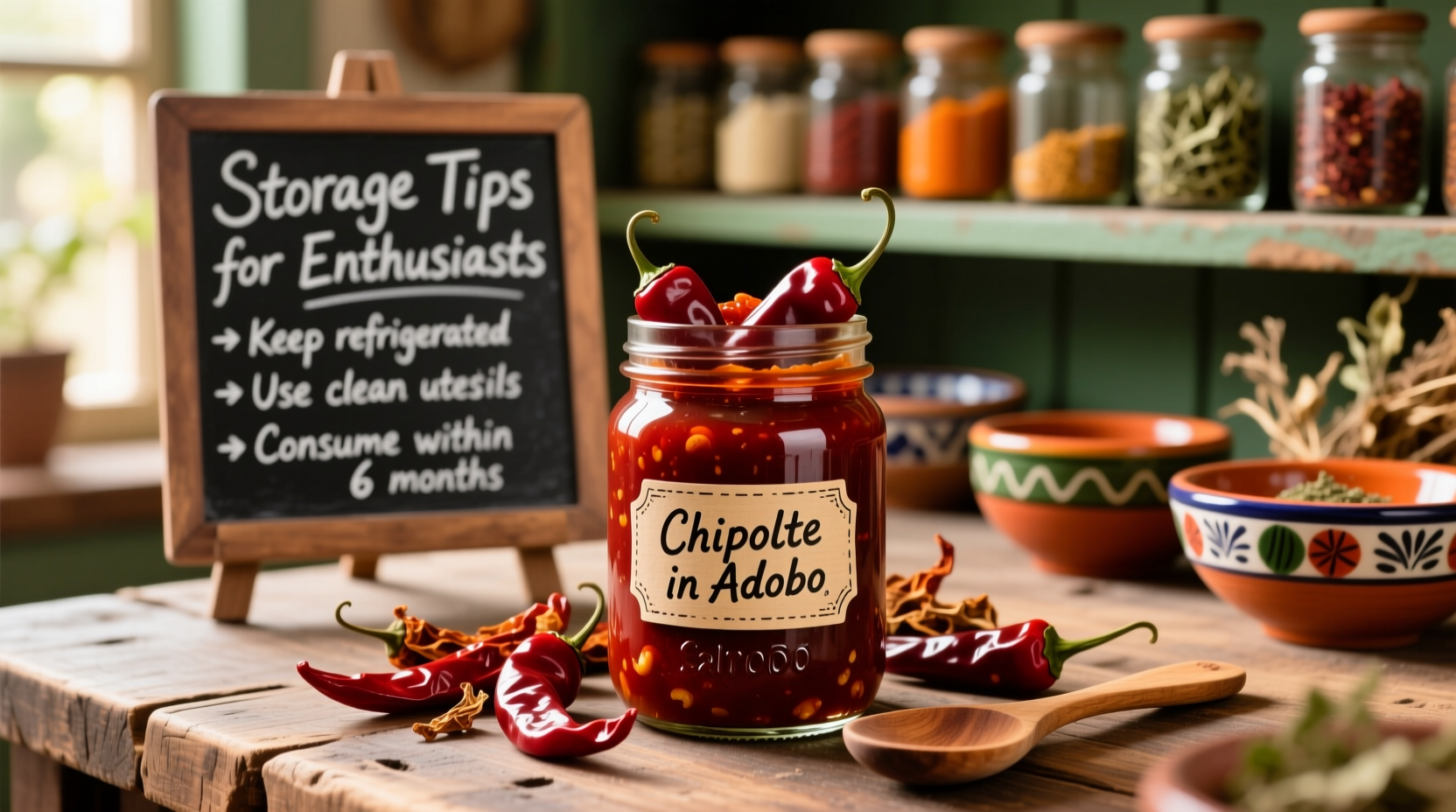
Chipotle peppers in adobo sauce are smoked, dried jalapeños rehydrated and canned in a savory, slightly sweet red sauce made from tomatoes, vinegar, garlic, onions, and spices. The word *chipotle* comes from the Nahuatl term *chilpoctli*, meaning “smoked chili,” and refers specifically to the smoking process that transforms fresh green jalapeños into wrinkled, mahogany-hued peppers with deep umami character.
This preparation originated in Mexican cuisine, particularly in the states of Veracruz and Oaxaca, where adobo-style sauces have been used for centuries to preserve and enhance chilies. Today, the canned version—popularized by brands like La Costeña, Embasa, and San Marcos—is widely available in supermarkets and Latin grocery stores worldwide.
Culinarily, chipotles in adobo serve a dual purpose: they deliver moderate heat (typically 2,500–8,000 Scoville units) and an intense smokiness reminiscent of barbecue or wood-fired grilling. Their soft texture allows them to blend smoothly into sauces, while the adobo liquid contributes acidity and depth. Because of this versatility, they’re frequently used in both traditional dishes like *queso fundido con chipotle* and modern fusion creations such as chipotle aioli or grilled pineapple salsa.
Key Characteristics
| Characteristic | Description |
|---|---|
| Flavor Profile | Smoky, earthy, moderately spicy, with tangy-sweet undertones from tomato and vinegar-based adobo sauce. |
| Aroma | Pronounced campfire-like smoke, garlic, roasted pepper, and mild fermentation notes. |
| Color & Form | Dark reddish-brown, wrinkled whole or halved peppers submerged in thick, brick-red sauce. |
| Heat Level | Moderate: ranges from 2,500 to 8,000 on the Scoville scale (similar to a serrano pepper). |
| Culinary Function | Flavor enhancer, colorant, spice base for sauces, marinades, braises, and rubs. |
| Shelf Life (Unopened) | 18–36 months when stored in a cool, dark place. |
| Shelf Life (Opened) | Refrigerated: up to 3 weeks; frozen: up to 6 months. |
Practical Usage: How to Use Chipotle in Adobo Sauce
The potency of chipotle in adobo means a little goes a long way. One pepper, finely minced, can season an entire pot of chili or lentil soup. The key is integration: whether blending it into emulsified sauces, sautéing it with aromatics, or whisking it into dressings, the goal is even dispersion without overpowering other flavors.
Step-by-Step Integration Techniques
- Prep the Pepper: Remove a single chipotle from the can using a clean spoon. Rinse lightly if you prefer milder heat, though this removes some flavor. Pat dry before chopping.
- Minimize Evenly: Use a sharp knife to finely dice the pepper, removing the stem and seeds if desired (seeds contain concentrated capsaicin).
- Sauté for Depth: For stews, beans, or rice dishes, cook the chopped pepper in oil or butter with onions, garlic, or ginger for 1–2 minutes to bloom its flavor.
- Blend for Smoothness: In sauces like mayonnaise, yogurt dips, or creamy soups, blend the pepper with liquid components using a blender or immersion stick until smooth.
- Use the Sauce Too: Don’t discard the adobo liquid—it’s packed with flavor. Add a teaspoon at a time to adjust heat and richness.
Common Culinary Applications
- Marinades: Combine mashed chipotle, lime juice, olive oil, cumin, and honey for chicken, pork, or tofu.
- Soups & Stews: Stir into black bean soup, posole, or gumbo for smoky backbone.
- Dips & Spreads: Mix into sour cream for taco topping, or fold into softened cream cheese for stuffed mushrooms.
- Egg Dishes: Add to scrambled eggs, frittatas, or breakfast burritos for morning kick.
- Grilled Meats: Incorporate into dry rubs or basting glazes for ribs, skirt steak, or shrimp.
Pro Tip: When adding chipotle in adobo to a dish, start with half a pepper and taste before adding more. You can always increase heat, but you can't remove it once incorporated.
Variants & Types
While the standard canned form dominates the market, several variations exist that cater to different cooking needs and shelf-life expectations.
| Type | Description | Best Used For |
|---|---|---|
| Canned Whole Peppers | Halved or whole chipotles in adobo sauce, sold in 7–8 oz tins. | Recipes requiring visible pepper pieces or controlled addition. |
| Pureed or Paste Form | Commercially prepared paste (e.g., Mother’s Recipe, Spice Tribe). | Quick mixing into sauces, dressings, or rubs; consistent dosing. |
| Dried Chipotle Powder | Ground smoked jalapeño without adobo sauce. | Dry rubs, spice blends, seasoning salts; lacks saucy complexity. |
| Adobo Sauce Only | Bottled sauce sans peppers (rare, sometimes homemade). | Adding tang and color without extra heat. |
| Homemade Infusions | DIY versions using dried chipotles rehydrated in adobo mix. | Custom heat level, reduced sodium, artisanal control. |
Each variant offers trade-offs between convenience, shelf life, and authenticity. Canned remains the gold standard due to balanced flavor and accessibility. However, pastes and powders offer extended longevity and easier measurement, making them ideal for frequent users or commercial kitchens.
Comparison with Similar Ingredients
Chipotle in adobo is often confused with other smoked or spicy condiments. Understanding the differences ensures correct application in recipes.
| Ingredient | How It Differs | Substitution Notes |
|---|---|---|
| Smoked Paprika | Dry powder; provides smoke but no heat or moisture. Made from pimentón peppers, not jalapeños. | Use ½ tsp smoked paprika + pinch cayenne to mimic flavor, but won't replicate texture. |
| Harissa Paste | North African chili paste made with roasted red peppers, caraway, coriander; fruitier, less smoky. | Not interchangeable; harissa lacks the distinct wood-smoked profile. |
| Sriracha | Thai-inspired hot sauce made from fresh red chilies, sugar, garlic; vinegary and bright, not smoky. | Adds heat and tang but no depth of smoke. Poor substitute for chipotle. |
| Ancho in Adobo | Rarer preparation; ancho (dried poblano) is sweeter, milder, and less smoky than chipotle. | Can be used in similar applications but yields a gentler, raisin-like flavor. |
| Canned Jalapeños | Brined, not smoked; lack charred depth and heat complexity. | No smoke = fundamentally different ingredient. Not a viable alternative. |
\"Many chefs reach for chipotle in adobo not just for heat, but for what I call 'flavor architecture'—it builds layers. No other canned chili brings that same combination of smoke, acid, and slow burn.\" — Chef Elena Ruiz, James Beard nominee and author of *Smoke & Fire: Modern Mexican Flavors*
Practical Tips & FAQs
How long does opened chipotle in adobo last?
When transferred to an airtight container and fully submerged in its sauce, opened chipotle in adobo will keep in the refrigerator for **up to three weeks**. Beyond that, risk of mold and off-flavors increases significantly.
Can you freeze chipotle in adobo?
Yes—and it's one of the best preservation methods. Freezing maintains flavor and texture far better than prolonged refrigeration. To freeze effectively:
- Transfer contents to a glass jar or BPA-free plastic container with tight seal.
- Portion into ice cube trays (1 pepper per cube), freeze solid, then transfer cubes to a freezer bag for easy single-use access.
- Label with date; use within 6 months for peak quality.
Why does my chipotle in adobo develop mold?
Mold growth usually occurs when:
- The peppers are exposed to air in the container (not fully covered by liquid).
- Cross-contamination happens (using dirty spoons or fingers to scoop).
- The can is left open at room temperature for more than two hours.
To prevent spoilage, always use clean utensils and ensure the peppers remain submerged.
Is it safe to eat after the “best by” date?
Unopened cans are generally safe for up to 3 years if stored properly (cool, dry place away from sunlight). Inspect before use: discard if there's bulging, leaking, foul odor, or visible mold. Once opened, follow refrigeration timelines regardless of printed date.
How do I reduce the heat without losing flavor?
Scrape out the inner membranes and seeds before chopping—the majority of capsaicin resides there. Alternatively, balance heat by pairing with dairy (sour cream, cheese) or sweetness (honey, roasted bell pepper).
What are common dishes that use chipotle in adobo?
Popular applications include:
- Taco fillings (especially carnitas or fish tacos)
- Mayocas (mayo + chipotle, lime, garlic)
- Mexican chocolate mole variations
- Buffalo-style wing sauces with a smoky twist
- Vegetarian chili and roasted vegetable glazes
Can I make my own adobo sauce?
Absolutely. A basic recipe includes:
- 4 dried chipotle peppers (rehydrated in hot water for 20 mins)
- ½ cup tomato paste
- 2 cloves garlic
- 1 small onion, roasted
- 1 tbsp apple cider vinegar
- 1 tsp cumin
- ½ tsp oregano (preferably Mexican)
- Salt to taste
Blend all ingredients until smooth, simmer gently for 10 minutes, then cool and store in sterilized jar for up to 2 weeks in fridge—or freeze for longer storage.
Storage Checklist:
☐ Always cover peppers completely with sauce
☐ Use clean utensils every time
☐ Refrigerate immediately after opening
☐ Label containers with dates
☐ Freeze excess in portion-controlled units
Summary & Key Takeaways
Chipotle in adobo sauce is a powerful ingredient that combines smokiness, moderate heat, and savory complexity. While convenient in canned form, improper handling after opening can lead to rapid degradation in quality and safety risks. Proper storage—primarily through immediate refrigeration and strategic freezing—is crucial for extending usability beyond the initial few weeks.
The core principles are simple: minimize air exposure, avoid cross-contamination, and leverage portion freezing for precision in future cooking. Whether you're crafting a quick weeknight stir-fry or developing a weekend braise, having well-preserved chipotle on hand elevates your dishes with minimal effort.
Understanding the distinctions between chipotle in adobo and similar products prevents substitution errors and enhances recipe accuracy. And by mastering small-batch freezing techniques, even occasional users can enjoy this flavorful ingredient without waste.
Next time you open a can, take five minutes to portion and freeze what you won’t use within three weeks. Your future self—standing over a simmering pot of chili at midnight—will thank you.




 浙公网安备
33010002000092号
浙公网安备
33010002000092号 浙B2-20120091-4
Comments
No comments yet. Why don't you start the discussion?