
Removing wisdom teeth is a common oral surgery, but recovery requires careful attention to diet. One of the most important dietary restrictions? Avoiding spicy foods. While it might be tempting to return to your favorite hot dishes, consuming anything with heat or strong seasoning too soon can significantly delay healing, increase discomfort, and even lead to complications like dry socket—a painful condition that occurs when the blood clot at the extraction site dislodges or dissolves prematurely.
The mouth is highly sensitive after surgery, and spicy ingredients such as chili peppers, cayenne, garlic, and hot sauces contain compounds that irritate exposed nerves and soft tissues. Understanding the science behind this reaction and knowing how to nourish your body safely can make all the difference in your recovery timeline.
How Spicy Foods Affect Healing Tissues
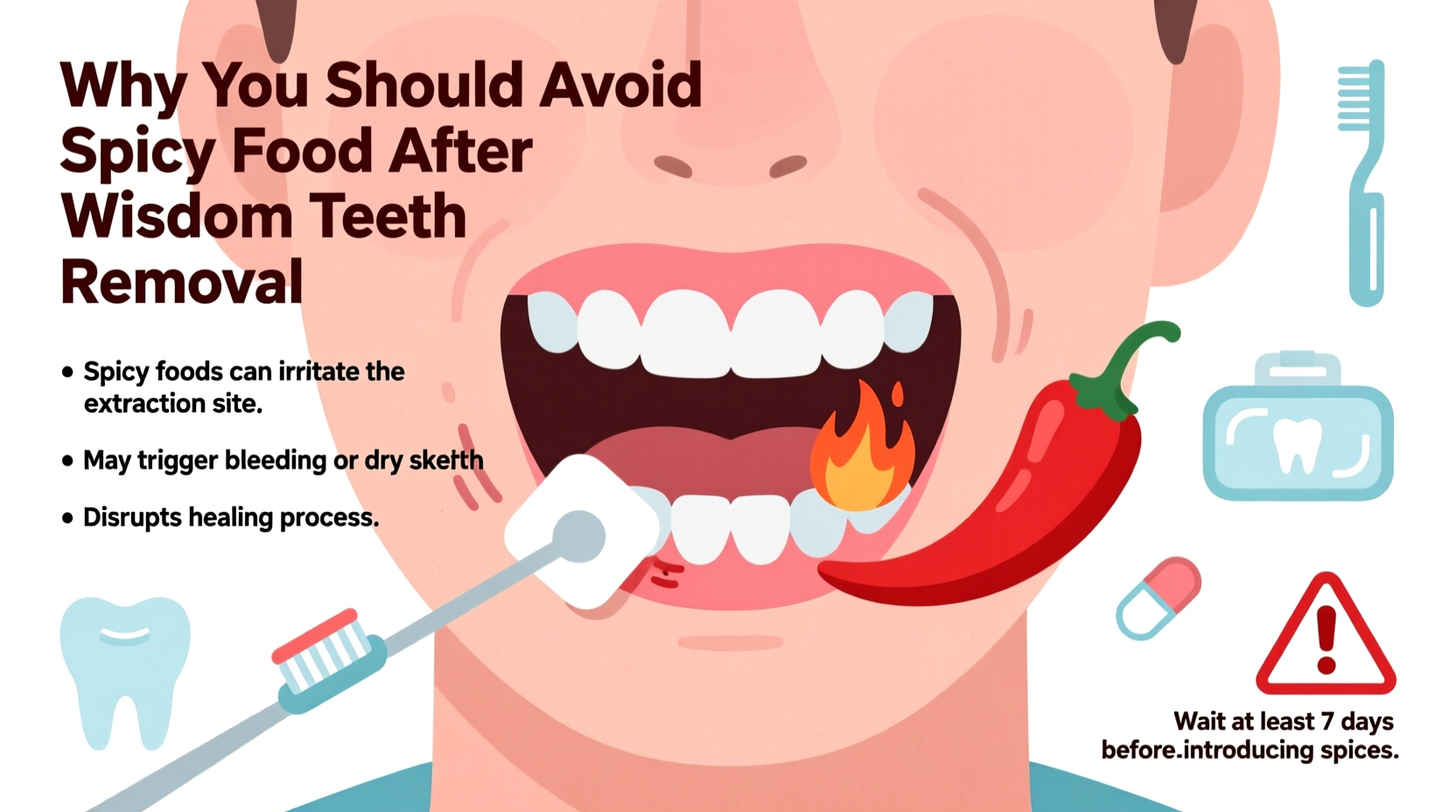
After wisdom teeth are extracted, open sockets remain where the teeth once were. These sites are covered by delicate blood clots that protect underlying bone and nerve endings while new tissue forms. Capsaicin—the active compound in chili peppers responsible for spiciness—triggers a burning sensation by binding to pain receptors (specifically TRPV1 receptors) in the mucous membranes. In a healthy mouth, this may feel like heat or tingling. But in a post-surgical environment, capsaicin acts directly on exposed nerve pathways, causing sharp, radiating pain.
Beyond immediate discomfort, spicy foods can also cause inflammation and increased blood flow to the area, raising the risk of disturbing the protective blood clot. Once dislodged, the clot cannot reform easily, leaving bone and nerves vulnerable to air, food particles, and bacteria—leading to dry socket, one of the most common complications after extraction.
“Patients who consume spicy or acidic foods within 72 hours of surgery report higher pain levels and are more likely to develop infections.” — Dr. Lena Torres, Oral Surgeon, Pacific Coast Dental Institute
Timeline: What You Should Eat After Surgery
Recovery from wisdom tooth extraction typically spans 5 to 7 days, with the first 3 being the most critical. During this window, your choices shape how smoothly healing progresses.
Days 1–2: Focus on Liquids and Purees
Immediately after surgery, stick to liquids and smooth textures. Solid particles can get trapped in extraction sites, increasing infection risk. Good options include:
- Broth-based soups (cooled)
- Applesauce
- Yogurt (non-frozen, no chunks)
- Protein shakes
- Smoothies (without seeds or fibrous fruits)
Days 3–4: Introduce Soft, Mashed Foods
As swelling decreases and pain subsides, you can gradually add slightly more substantial—but still gentle—foods:
- Mashed potatoes
- Oatmeal (not too hot)
- Scrambled eggs
- Cooked pasta (well-boiled, no sauce)
- Tofu (soft, unseasoned)
Days 5–7: Transition Toward Normal Diet
By day five, many patients feel ready to resume normal eating. However, caution remains essential. Begin testing mild solid foods on the opposite side of the mouth from the extraction site. Avoid crunchy, chewy, or spicy items until your dentist confirms full healing—often around 7 to 10 days post-op.
Common Mistakes That Delay Recovery
Even with good intentions, patients often unknowingly sabotage their recovery. Here are frequent errors tied to diet:
| Mistake | Why It’s Harmful | Better Alternative |
|---|---|---|
| Eating spicy noodles or curry too soon | Spices inflame surgical sites; small food particles lodge in sockets | Plain rice with steamed carrots |
| Drinking through a straw | Suction can dislodge the blood clot | Sip from a cup gently |
| Consuming alcohol or carbonated drinks | Can interfere with medications and irritate tissue | Water, herbal teas, or diluted juices |
| Returning to normal diet in 2 days | Chewing too early stresses healing areas | Wait at least 5–7 days before reintroducing solids |
Real Example: When Cravings Led to Complications
Twenty-two-year-old college student Marcus had his lower wisdom teeth removed on a Friday morning. He followed instructions closely for the first two days, eating mashed bananas and broth. But by Sunday evening, he craved something flavorful. Against advice, he ate a small portion of spicy chicken tacos, believing “just a bite” wouldn’t hurt.
Within hours, he experienced throbbing pain that radiated to his ear. By Monday, he couldn’t sleep and noticed an unpleasant odor coming from his mouth. His dentist diagnosed dry socket caused by irritation from spices and food debris. He required a medicated dressing and additional pain management, extending his recovery by nearly a week.
His takeaway? “I thought I was healed because the swelling went down. But inside, things were still fragile. Now I know: wait it out, even if you feel fine.”
Step-by-Step Guide to a Safe Post-Surgery Diet
- Immediately After Surgery (0–4 hours): Stick to cool liquids only. Avoid straws. Let anesthesia wear off before drinking to prevent choking.
- First 24 Hours: Consume soft, lukewarm foods. Do not rinse vigorously or brush near the site.
- Days 2–3: Begin introducing bland purees and mashed foods. Continue avoiding spices, salt, and acids like citrus.
- Day 4 Onward: Gradually test texture tolerance. Chew on the unaffected side. Monitor for pain or bleeding.
- Day 7 Check-In: Contact your oral surgeon for a follow-up. Only resume regular eating upon professional approval.
Frequently Asked Questions
Can I eat mildly seasoned food after 3 days?
It’s best to wait until day 5 and even then, keep seasoning minimal. Salt and pepper may seem mild, but they can still sting open tissues. Opt for natural flavor from cooked vegetables or herbs like parsley instead of chili, garlic, or vinegar.
What if I accidentally ate something spicy?
Rinse your mouth gently with warm salt water (½ teaspoon salt in 8 oz water) to neutralize irritation. Monitor for worsening pain, bad taste, or visible loss of the clot. If symptoms persist beyond a few hours, contact your dentist immediately.
How long should I avoid spicy food exactly?
Avoid all spicy foods for at least 5–7 days. For full safety, wait until your follow-up appointment confirms healing—especially if multiple teeth were removed or the procedure was complex.
Final Checklist for a Smooth Recovery
- ✅ Stock up on soft, bland foods before surgery
- ✅ Avoid all spicy, crunchy, or acidic foods for at least 5 days
- ✅ Drink plenty of water; avoid straws
- ✅ Rinse with salt water twice daily starting 24 hours post-op
- ✅ Attend all follow-up appointments
- ✅ Listen to your body—pain is a warning sign, not a challenge
Conclusion: Protect Your Healing Process
Healing after wisdom teeth removal doesn’t just happen—it’s shaped by the choices you make every hour. While skipping your favorite spicy meal may feel like a sacrifice, it’s a small price to pay for avoiding severe pain and extended downtime. Your body is repairing delicate structures inside your jaw; treat it with the care it deserves.
Stick to gentle foods, respect the timeline, and prioritize long-term comfort over short-term cravings. When in doubt, err on the side of caution. Your future self—pain-free and fully recovered—will thank you.




 浙公网安备
33010002000092号
浙公网安备
33010002000092号 浙B2-20120091-4
Comments
No comments yet. Why don't you start the discussion?