
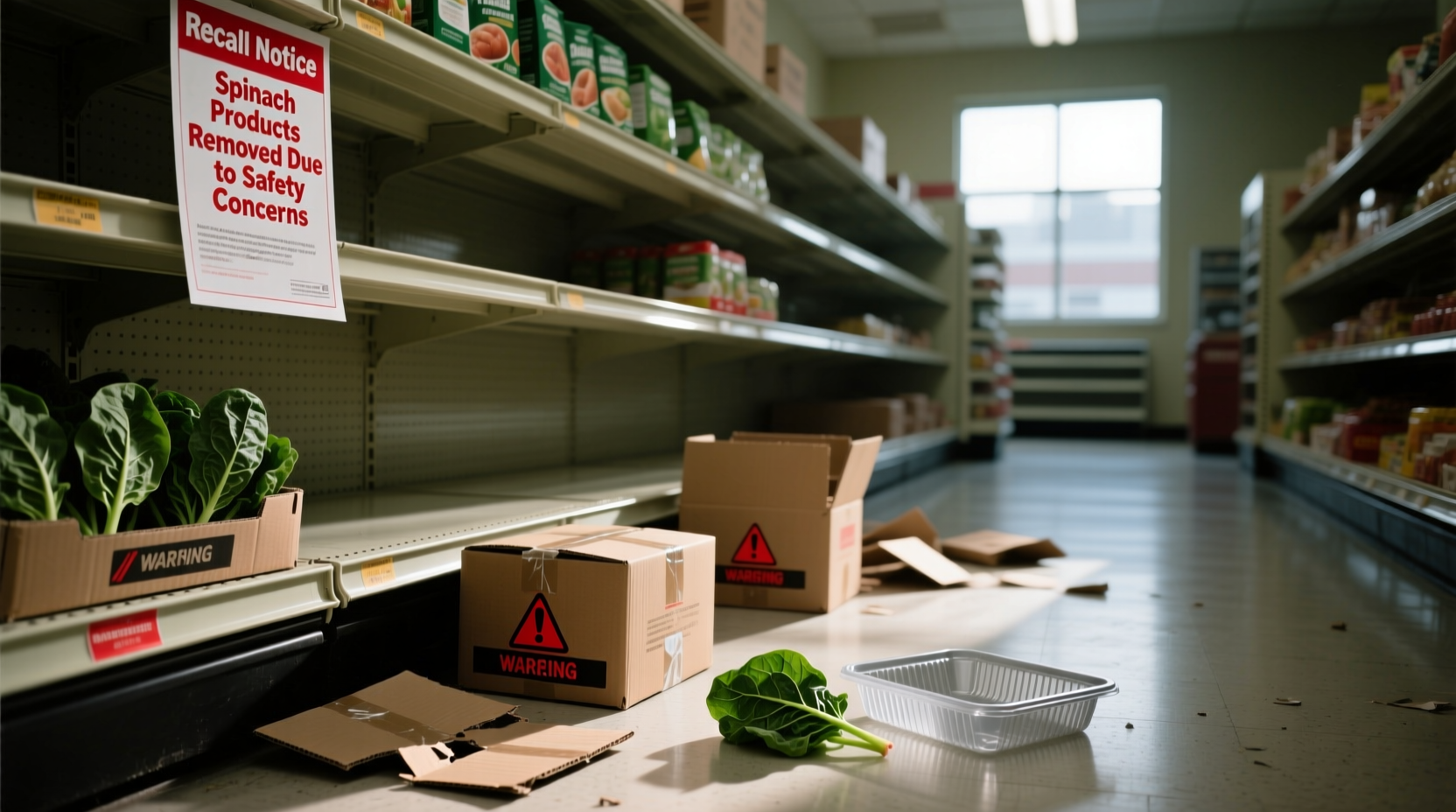
In early 2024, a wave of spinach product recalls swept across major U.S. grocery chains and food distributors, prompting widespread removal of fresh and pre-packaged spinach from store shelves. The action was taken in response to potential contamination with E. coli O157:H7, a dangerous strain of bacteria linked to severe foodborne illness. This public health alert has disrupted supply chains, altered consumer shopping habits, and reignited conversations about leafy green safety in commercial agriculture. For home cooks and culinary professionals alike, understanding the scope, cause, and implications of this recall is essential—not only for immediate food safety but also for making informed decisions about sourcing and preparing one of the most widely used salad greens in modern cuisine.
The affected products primarily include bagged, ready-to-eat spinach sold under multiple national brands and private labels. While no single grower or processor has been universally identified across all alerts, investigations by the U.S. Food and Drug Administration (FDA) and the Centers for Disease Control and Prevention (CDC) have traced contamination back to specific growing regions in California’s Central Valley, a primary supplier of leafy greens during winter months. As of the latest update, over two dozen product lines have been voluntarily recalled, with advisories urging consumers to discard any implicated packages and avoid consumption until further notice.
Definition & Overview: What Is Spinach?
Spinach (Spinacia oleracea) is a nutrient-dense leafy green vegetable belonging to the Amaranthaceae family, which also includes beets and quinoa. Native to Persia (modern-day Iran), it was introduced to Europe via Spain in the 12th century and has since become a global staple in both raw and cooked preparations. Known for its tender, dark green leaves and mild, slightly earthy flavor, spinach is prized not only for its culinary versatility but also for its exceptional nutritional profile—rich in iron, vitamin K, folate, antioxidants like lutein, and dietary fiber.
In commercial food systems, spinach appears in several forms: loose-leaf bunches, clamshell containers, and pre-washed bags marketed as “ready-to-eat” or “triple-washed.” These convenience formats dominate supermarket sales, particularly in North America, where time-efficient meal preparation drives demand. However, the very processes that make spinach convenient—industrial washing, packaging, and long-distance transport—also introduce points of vulnerability to microbial contamination, especially when irrigation water or field conditions are compromised.
Key Characteristics of Fresh Spinach
| Characteristic | Description |
|---|---|
| Flavor Profile | Mild, slightly sweet when young; develops earthy, mineral notes when mature or cooked. |
| Aroma | Fresh, green, grassy; absence of odor indicates freshness; sour or musty smells signal spoilage. |
| Color & Form | Deep green, smooth or savoyed (crinkled) leaves; stems may be pale or reddish depending on variety. |
| Texture | Tender-crisp when raw; softens significantly when heated; wilts rapidly at high temperatures. |
| Culinary Function | Base for salads, sautéed side dish, ingredient in soups, fillings (e.g., spanakopita), smoothies, and egg dishes. |
| Shelf Life (Unopened) | 3–7 days refrigerated; shorter if exposed to moisture or temperature fluctuations. |
| Safety Risk Level | Moderate to high due to susceptibility to E. coli, Listeria, and Salmonella if contaminated. |
Why Was Spinach Removed? Understanding the Recall Triggers
The current wave of spinach removals stems from epidemiological evidence linking packaged spinach to outbreaks of Shiga toxin-producing E. coli (STEC) O157:H7. According to CDC data, dozens of individuals across eight states reported similar symptoms—including severe abdominal cramps, bloody diarrhea, and vomiting—within days of consuming pre-packaged spinach. While most recover within a week, approximately 5–10% develop hemolytic uremic syndrome (HUS), a life-threatening complication affecting kidney function, particularly in young children and older adults.
Traceback investigations revealed that multiple recalled lots originated from fields irrigated with surface water sources later found to contain STEC DNA. Though no manure application violations were confirmed, environmental cross-contamination from nearby livestock operations remains a leading hypothesis. Additionally, FDA inspectors noted inconsistencies in sanitation protocols at one packing facility, including inadequate chlorine levels in wash tanks and insufficient worker hygiene enforcement.
It's important to clarify that not all spinach is unsafe. Only specific lot codes and use-by dates listed in official FDA recall notices are affected. Consumers should check the FDA’s online recall database or scan QR codes on packaging to verify whether their product is included in the withdrawal.
Practical Usage: How to Safely Use Spinach Post-Recall
Despite the current concerns, spinach remains a safe and valuable ingredient when sourced responsibly and handled correctly. Here are actionable steps for using spinach safely in home kitchens:
- Verify Product Status: Before purchasing or consuming any packaged spinach, consult the FDA’s Recalls, Market Withdrawals, & Safety Alerts page. Enter the brand name and lot number to confirm whether it has been cleared or recalled.
- Inspect Packaging: Avoid bags with tears, excessive condensation, or bulging—signs of bacterial gas buildup. Check expiration dates and opt for the freshest available.
- Wash Thoroughly—Even If Labeled “Pre-Washed”: While industry standards require triple washing, studies show residual pathogens can persist. Rinse leaves under cold running water for at least 30 seconds per handful. Use a salad spinner to remove excess moisture.
- Store Properly: Keep spinach in the crisper drawer at or below 40°F (4°C). Do not store near raw meats to prevent cross-contamination.
- Cook When Possible: Heating spinach to an internal temperature of 160°F (71°C) for 15 seconds kills harmful bacteria. Sautéing, steaming, or blanching significantly reduces risk compared to raw consumption.
Pro Tip: To maximize safety and shelf life, transfer spinach from its original plastic bag into an airtight container lined with paper towels. This reduces moisture accumulation and extends freshness by up to two additional days.
Variants & Types of Commercial Spinach Products
Not all spinach products carry equal risk. Understanding the differences between formats helps consumers make safer choices during and after a recall:
- Baby Spinach: Harvested early (20–30 days), featuring small, tender leaves. Most commonly sold in pre-washed bags. Higher surface-area-to-volume ratio increases exposure risk if contaminated.
- Maturation (Full-Size) Spinach: Larger, coarser leaves often sold in bunches. Typically requires manual trimming and washing. Lower processing volume may reduce cross-contamination risk.
- Organic Spinach: Grown without synthetic pesticides; subject to same microbial risks unless grown under enhanced biosafety protocols. Look for certifications like USDA Organic and Certified Naturally Grown.
- Frozen Spinach: Blanching prior to freezing destroys pathogens. Considered microbiologically safe and ideal during active recalls.
- Dried/Dehydrated Spinach: Low moisture content inhibits bacterial growth. Used in soups, seasonings, and instant meals.
| Type | Processing Level | Safety Risk During Recall | Best Use Case |
|---|---|---|---|
| Pre-Washed Bagged (Baby) | High | High — frequently implicated in outbreaks | Quick salads, sandwiches |
| Loose Bunches | Low | Moderate — less centralized processing | Sautéing, soups, wilting |
| Frozen Chopped | Medium (blanched) | Very Low — heat-treated | Casseroles, dips, smoothies |
| Dehydrated Flakes | High (processed) | Negligible — pathogen-inhibiting | Seasoning blends, baked goods |
Comparison with Similar Leafy Greens
When spinach is unavailable or deemed unsafe, several alternatives offer comparable nutrition and functionality. However, each differs in texture, flavor, and risk profile:
| Green | Flavor Comparison | Texture | Safety Notes | Substitution Ratio |
|---|---|---|---|---|
| Kale | Bolder, more bitter | Sturdy, fibrous | Lower outbreak history; tougher leaves resist some contaminants | 1:1 (use mass, not volume) |
| Arugula | Pungent, peppery | Delicate, thin | Occasional recalls; fast-growing and often hydroponic | Use sparingly in mixed greens |
| Swiss Chard | Mild, slightly salty | Thick stems, tender leaves | Rarely involved in large-scale recalls | Leaves only: 1:1 |
| Butter Lettuce | Very mild, sweet | Soft, velvety | Low nutrient density; rarely associated with E. coli | For texture, not nutrition |
\"During leafy green recalls, I pivot to frozen spinach for sauces and cooked dishes—it's just as nutritious and far safer. For salads, I grow my own microgreens indoors. Control over environment eliminates many field-based risks.\" — Chef Elena Torres, Culinary Safety Instructor, Institute of Sustainable Gastronomy
Practical Tips & FAQs
Q: Can cooking eliminate E. coli in contaminated spinach?
A: Yes. Cooking spinach to an internal temperature of 160°F (71°C) for at least 15 seconds effectively kills E. coli O157:H7. Boiling, steaming, sautéing, and baking are all reliable methods. However, once a product is known to be contaminated, it should be discarded—even cooking doesn’t justify risking exposure to toxins that may have already formed.
Q: Is organic spinach safer than conventional?
A: Not necessarily. While organic farming restricts synthetic inputs, microbial contamination risks from water, soil, or wildlife remain similar. In fact, untreated manure—allowed under organic rules—can increase pathogen load if improperly composted. Certification does not guarantee freedom from E. coli.
Q: How long does fresh spinach last in the fridge?
A: Unopened pre-packaged spinach lasts 5–7 days past harvest date if kept cold. Once opened, consume within 2–3 days. Bunched spinach stored properly lasts 4–6 days. Signs of spoilage include sliminess, dark spots, and sour odor.
Q: Can I freeze fresh spinach?
A: Absolutely. Blanch chopped spinach for 2 minutes, cool in ice water, drain, and freeze in airtight bags for up to 12 months. Ideal for soups, stews, and baked dishes. Texture changes make it unsuitable for raw applications after thawing.
Q: Are hydroponic or greenhouse-grown spinach options safer?
A: Generally, yes. Controlled-environment agriculture (CEA) reduces exposure to wildlife, contaminated runoff, and soil-borne pathogens. Many commercial CEA farms use recirculating water systems with UV sterilization, lowering contamination risk. Labels such as “indoor-grown” or “vertical farm” often indicate these practices.
Q: What should I do if I’ve eaten recalled spinach?
A: Monitor for symptoms over the next 10 days. Seek medical attention immediately if you experience bloody diarrhea, reduced urination, or extreme fatigue. Retain the packaging for identification and report the incident to the FDA via their Safety Reporting Portal.
Emergency Action Checklist:
- Check your refrigerator for recalled spinach using the FDA website.
- If found, seal the product in a plastic bag and discard it—do not compost.
- Sanitize surfaces, containers, and hands that contacted the item.
- Report consumption without symptoms to local health department for surveillance.
Summary & Key Takeaways
The recent removal of spinach products from stores underscores the delicate balance between convenience and food safety in modern agriculture. While spinach remains one of the most nutritious vegetables available, its journey from field to fork involves multiple stages where contamination can occur—especially in large-scale, ready-to-eat formats.
Consumers should understand that not all spinach is affected by the recall. Only specific lot-coded products identified by federal agencies pose a confirmed risk. Staying informed through official channels, practicing diligent kitchen hygiene, and considering alternative forms like frozen or indoor-grown spinach can mitigate danger without sacrificing nutrition.
Looking ahead, advancements in traceability—such as blockchain-enabled labeling—and stricter agricultural water standards may reduce future outbreaks. Until then, vigilance remains the best defense. By knowing how to identify safe products, handle greens properly, and respond to recalls swiftly, home cooks can continue enjoying spinach with confidence and care.




 浙公网安备
33010002000092号
浙公网安备
33010002000092号 浙B2-20120091-4
Comments
No comments yet. Why don't you start the discussion?