
Experiencing spotting—light vaginal bleeding outside of your regular menstrual cycle—after drinking alcohol can be unsettling. While occasional light bleeding may not always signal a serious issue, the connection between alcohol consumption and unexpected spotting is more complex than many realize. Hormonal fluctuations, liver function, and underlying reproductive conditions can all play a role. Understanding why this occurs and recognizing when it’s time to consult a healthcare provider is essential for maintaining long-term reproductive health.
How Alcohol Affects Your Hormonal Balance
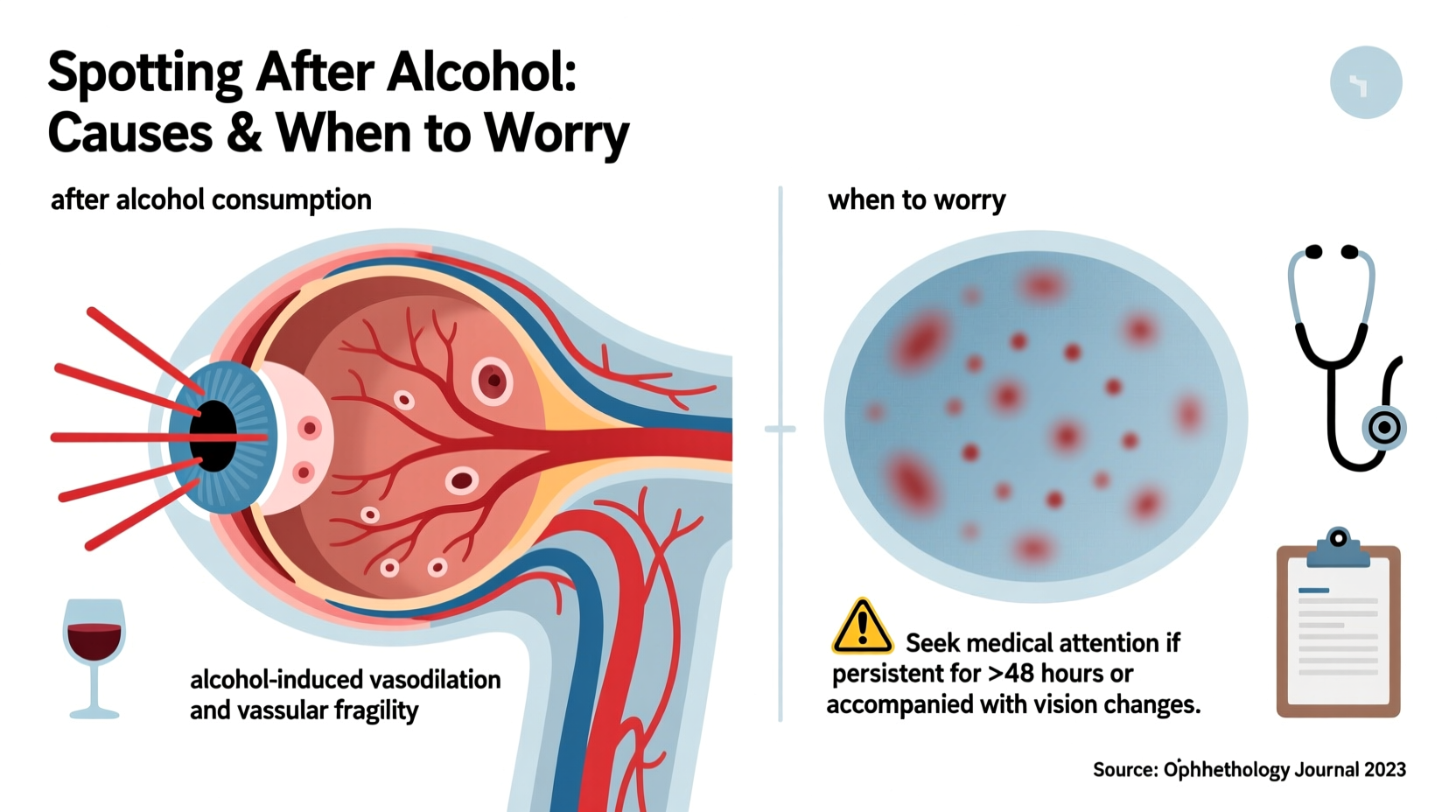
Alcohol impacts the endocrine system, which regulates hormones critical to menstrual cycles. When you consume alcohol, especially in excess, it interferes with the hypothalamus, pituitary gland, and ovaries—the key players in hormone production. This disruption can lead to imbalances in estrogen and progesterone, potentially causing irregular shedding of the uterine lining and resulting in spotting.
The liver plays a crucial role in metabolizing hormones. Alcohol places added stress on the liver, impairing its ability to break down estrogen effectively. Elevated estrogen levels due to reduced clearance can cause the endometrium (uterine lining) to thicken abnormally, increasing the likelihood of breakthrough bleeding or spotting between periods.
Common Causes of Spotting After Drinking Alcohol
While hormonal shifts are a primary factor, several other mechanisms may explain post-alcohol spotting:
- Hormonal contraception users: Women on birth control pills, patches, or hormonal IUDs may be more sensitive to alcohol-induced hormonal fluctuations, leading to breakthrough bleeding.
- Polycystic ovary syndrome (PCOS): Those with PCOS often have irregular cycles and higher androgen levels. Alcohol can exacerbate insulin resistance and hormonal imbalance, increasing spotting risk.
- Endometriosis or fibroids: Structural abnormalities in the uterus may bleed more easily under hormonal stress caused by alcohol.
- Stress and sleep disruption: Heavy drinking often coincides with poor sleep and elevated cortisol, both of which can influence menstrual regularity.
- Liver dysfunction: Chronic alcohol use impairs liver function, reducing its ability to regulate sex hormones, which may manifest as abnormal bleeding.
Mini Case Study: Sarah’s Experience
Sarah, a 32-year-old marketing professional, began noticing light spotting within hours of social drinking events. Initially dismissing it as stress-related, she tracked her symptoms over three months. She observed that spotting occurred consistently after consuming more than two drinks. Her OB-GYN ordered blood work and an ultrasound, revealing mild estrogen dominance and early signs of fatty liver. After reducing alcohol intake and adopting a liver-supportive diet, her cycles normalized within two months. Sarah’s case highlights how lifestyle factors and organ health can directly influence gynecological symptoms.
When to Worry: Red Flags That Require Medical Attention
Occasional spotting after moderate drinking may not be alarming, but certain patterns should prompt immediate evaluation by a healthcare provider. Persistent or severe symptoms could indicate underlying conditions that require treatment.
| Concern Level | Symptom | Action |
|---|---|---|
| Low | Light spotting once after heavy drinking | Monitor; consider reducing alcohol |
| Moderate | Recurrent spotting after each drinking episode | Schedule doctor visit; review medications and cycle history |
| High | Heavy bleeding, pain, foul odor, or spotting lasting over 7 days | Seek urgent care—possible infection, fibroids, or precancerous changes |
| High | Spotting accompanied by fatigue, jaundice, or abdominal swelling | Evaluate for liver disease or hormonal tumors |
“Even seemingly minor symptoms like post-alcohol spotting can be early indicators of hormonal or metabolic imbalance. Patients who track their habits and symptoms give us valuable clues for early intervention.” — Dr. Lena Patel, Gynecological Endocrinologist
Step-by-Step Guide to Assessing and Managing Post-Alcohol Spotting
If you're experiencing unexplained bleeding after drinking, follow this structured approach to determine next steps:
- Track your symptoms: Note the date, amount of alcohol consumed, timing of spotting, flow intensity, and any associated symptoms (cramps, nausea, fatigue).
- Review your medications: Check if hormonal contraceptives, anticoagulants, or supplements might interact with alcohol to increase bleeding risk.
- Reduce or eliminate alcohol: Try abstaining for 2–3 months to see if spotting resolves.
- Assess lifestyle factors: Evaluate stress levels, sleep quality, and diet—each influences hormonal health.
- Schedule a medical evaluation: See your gynecologist for a pelvic exam, ultrasound, and hormone panel if spotting persists.
Do’s and Don’ts: Quick Reference Table
| Do | Don't |
|---|---|
| Keep a symptom journal including alcohol intake and bleeding patterns | Ignore recurring spotting even if it seems minor |
| Limit alcohol to moderate levels (≤1 standard drink/day) | Mix alcohol with medications without checking interactions |
| Stay hydrated and support liver health with leafy greens and cruciferous vegetables | Assume spotting is normal without medical confirmation |
| Discuss concerns openly with your healthcare provider | Rely solely on internet advice instead of clinical evaluation |
Frequently Asked Questions
Can one drink cause spotting?
For some individuals, especially those with hormonal sensitivities or existing conditions like PCOS or thyroid disorders, even a single drink may trigger spotting. The effect varies based on metabolism, liver efficiency, and baseline hormone levels.
Is spotting after alcohol a sign of infertility?
Not necessarily. While hormonal imbalances linked to spotting can affect fertility, isolated incidents are unlikely to indicate infertility. However, chronic irregular bleeding should be evaluated as part of a broader fertility assessment.
Should I stop drinking altogether if I spot after alcohol?
You don’t need to eliminate alcohol entirely unless advised by a doctor. Start by reducing intake and monitoring symptoms. If spotting stops, moderation may be sufficient. If it continues, further investigation is needed.
Conclusion: Prioritize Awareness and Proactive Care
Spotting after alcohol isn’t something to automatically panic over, but it shouldn’t be routinely dismissed either. Your body uses symptoms like irregular bleeding to communicate internal imbalances—whether hormonal, hepatic, or structural. By paying attention to patterns, making informed lifestyle choices, and seeking timely medical input, you can protect both your reproductive and overall health.




 浙公网安备
33010002000092号
浙公网安备
33010002000092号 浙B2-20120091-4
Comments
No comments yet. Why don't you start the discussion?