
As temperatures rise and winter fades into memory, wardrobes shift toward lighter layers. The arrival of spring brings a familiar dilemma: should you reach for a coat or a jacket? While both serve as transitional outerwear, their differences go beyond fabric weight. One of the most defining—and often overlooked—distinctions is length. But does it actually matter when choosing between a spring coat and a spring jacket? The answer isn’t just about fashion; it’s about function, proportion, climate, and personal style.
The Functional Difference Between Coats and Jackets
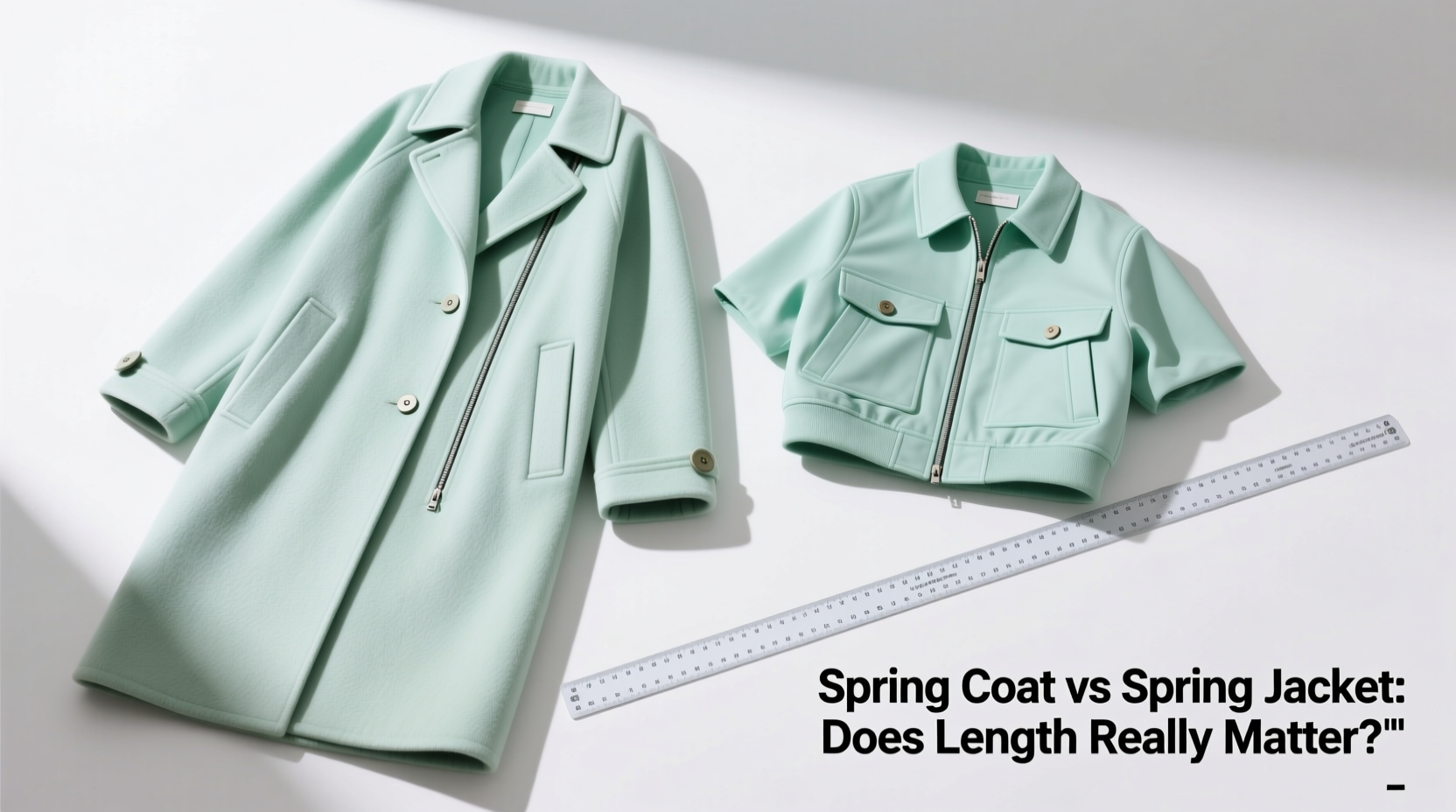
At first glance, the primary difference between a coat and a jacket lies in coverage. A **jacket** typically ends at the hip or waist, offering targeted protection from wind and light rain. It’s designed for mobility and layering over casual outfits like sweaters or shirts. In contrast, a **coat** extends below the hips—often to the thighs or knees—providing more comprehensive coverage and insulation.
In spring, this distinction becomes nuanced. Spring jackets are usually lightweight, made from materials like cotton twill, nylon, or softshell fabrics. They’re ideal for mild days and quick errands. Spring coats, however, lean toward structured silhouettes with longer hemlines. Trenches, dusters, and chore coats fall into this category, often crafted from breathable wool blends, gabardine, or linen-cotton mixes.
Length affects not only warmth but also wind resistance. A longer coat shields more of the body from gusts, making it better suited for unpredictable spring weather. A shorter jacket, while less protective, offers greater freedom of movement and pairs easily with a wider range of bottoms—from cropped pants to midi skirts.
How Length Influences Style and Proportion
Beyond utility, length plays a crucial role in shaping your silhouette. Fashion stylists have long emphasized that outerwear length can alter perceived height, balance proportions, and anchor an outfit.
- Hip-length jackets tend to emphasize the upper body, drawing attention to the shoulders and waist. They work well with high-waisted pants or skirts by maintaining a clear separation between top and bottom.
- Midi-length coats (falling between mid-thigh and knee) elongate the torso and create vertical lines, which can make shorter individuals appear taller—if styled correctly.
- Longline coats offer elegance and drama but require careful coordination. Wearing them with bulky footwear or loose-fitting pants can overwhelm the frame.
Fashion authority Rachel Nguyen, a stylist with over a decade of experience in seasonal dressing, notes:
“Length isn’t just about coverage—it’s a design tool. A well-chosen coat can elevate an entire look, while the wrong length can disrupt balance. For spring, I recommend focusing on clean lines and moderate lengths that don’t overpower the season’s lightness.” — Rachel Nguyen, Personal Stylist & Seasonal Wardrobe Consultant
Choosing Based on Body Type and Lifestyle
There’s no universal “best” length. What works depends on your build, daily routine, and aesthetic preferences.
| Body Type | Recommended Outerwear Length | Why It Works |
|---|---|---|
| Petite (under 5'4\") | Hip to upper thigh | Prevents being visually overwhelmed; maintains leg-to-torso ratio |
| Average height (5'4\"–5'8\") | Mid-thigh to knee | Versatile; complements most proportions and outfit combinations |
| Tall (over 5'8\") | Knee-length or longer | Leverages height; adds sophistication without shortening appearance |
| Curvy or full-figured | Mid-thigh to knee, slightly A-line | Provides coverage while creating flattering vertical lines |
Your lifestyle matters just as much. Office workers transitioning from indoors to brief outdoor commutes may find a tailored jacket sufficient. Commuters, dog walkers, or those in windy climates benefit from the added protection of a longer coat.
Real Example: Urban Commuter vs. Weekend Explorer
Sophia, a graphic designer in Portland, Oregon, used to wear only cropped denim jackets in spring—until she realized how often she was cold during her 20-minute bike commute. After switching to a water-resistant trench coat ending just below the hip, she found a sweet spot: enough coverage to block wind and drizzle, but not so long that it tangled in her bike chain. On weekends, she returns to a lightweight bomber jacket for ease and style during coffee runs and gallery visits. Her experience illustrates how context—not just fashion rules—should guide outerwear choices.
Step-by-Step Guide to Choosing Your Spring Outerwear
Follow this decision-making process to select the right piece for your needs:
- Assess your environment. Is your spring rainy, breezy, or mostly sunny? High wind or frequent showers call for longer, more protective styles.
- Evaluate your daily activities. Do you walk, cycle, drive, or spend most time indoors? Active routines favor shorter, flexible options.
- Consider your wardrobe staples. Will the outerwear pair with dresses, jeans, or tailored trousers? Longer coats suit structured outfits; jackets add edge to casual looks.
- Try different lengths in person. Stand sideways in a mirror. Does the hem cut off at a flattering point? Avoid lengths that end at the widest part of your hips.
- Check layering compatibility. Ensure the garment fits comfortably over a sweater or hoodie without pulling or gaping.
Common Mistakes to Avoid
- Choosing length based solely on trends. Oversized longline coats may be fashionable, but they aren’t practical for everyone.
- Ignoring sleeve-to-hem ratio. A jacket with sleeves that extend too far can make even a short coat feel cumbersome.
- Overlooking closures. A long coat with no belt or cinch can look shapeless. Look for adjustable waists or belted designs.
- Wearing heavy linings in spring. Even long coats should prioritize breathability. Opt for unlined or lightly padded versions.
FAQ
Can I wear a long coat if I’m short?
Yes—but choose one that ends just above or just below the knee. Avoid lengths that hit mid-calf, as they can break the leg line. Pair with heels or pointed-toe shoes to maintain the illusion of height.
Is a spring jacket enough for early March?
It depends on your region. In milder zones (Zones 7+), a lined jacket may suffice. In colder areas, layer a jacket under a longer coat for transitional weeks.
Do trench coats count as spring coats?
Absolutely. Classic trenches are quintessential spring outerwear—water-resistant, mid-length, and versatile. Modern versions come in cropped and extended lengths, offering flexibility across styles.
Final Checklist Before You Buy
- ✅ Measure your torso
- Know where your hip line and thigh midpoint fall to judge fit accurately.
- ✅ Prioritize fabric breathability
- Cotton, linen, and technical blends allow airflow without sacrificing durability.
- ✅ Test mobility
- Reach, bend, and simulate walking to ensure comfort in motion.
- ✅ Check pocket placement
- Pockets should sit naturally on the hips, not ride too high or low.
- ✅ Evaluate color and versatility
- Neutral tones (beige, navy, olive) mix and match easily across seasons.
Conclusion: Length Matters—But So Does Intention
The debate between spring coats and spring jackets isn’t settled by length alone. However, length undeniably influences comfort, style, and functionality. A well-chosen jacket offers agility and modern flair, while a thoughtfully cut coat provides enduring protection and polished presence. The key is aligning your choice with your body, lifestyle, and environment—not arbitrary fashion rules.
This spring, take a moment to assess what you truly need from your outerwear. Try different lengths, experiment with proportions, and pay attention to how each piece feels in real-world conditions. Whether you gravitate toward the ease of a cropped field jacket or the elegance of a knee-length trench, the right choice will feel effortless—not because it’s trendy, but because it works for you.




 浙公网安备
33010002000092号
浙公网安备
33010002000092号 浙B2-20120091-4
Comments
No comments yet. Why don't you start the discussion?