
Navigating seasonal transitions in outerwear can be tricky, especially when you're trying to simplify your wardrobe. With overlapping weather patterns and fluctuating temperatures, many people wonder: can a single layer—be it a spring jacket or a winter coat—carry them through both seasons? The answer isn’t always straightforward. While minimalism has its appeal, functionality often wins when comfort and protection are at stake. Understanding the core differences in design, insulation, materials, and intended use is essential before deciding whether to consolidate your outerwear.
The Fundamental Differences Between Spring Jackets and Winter Coats
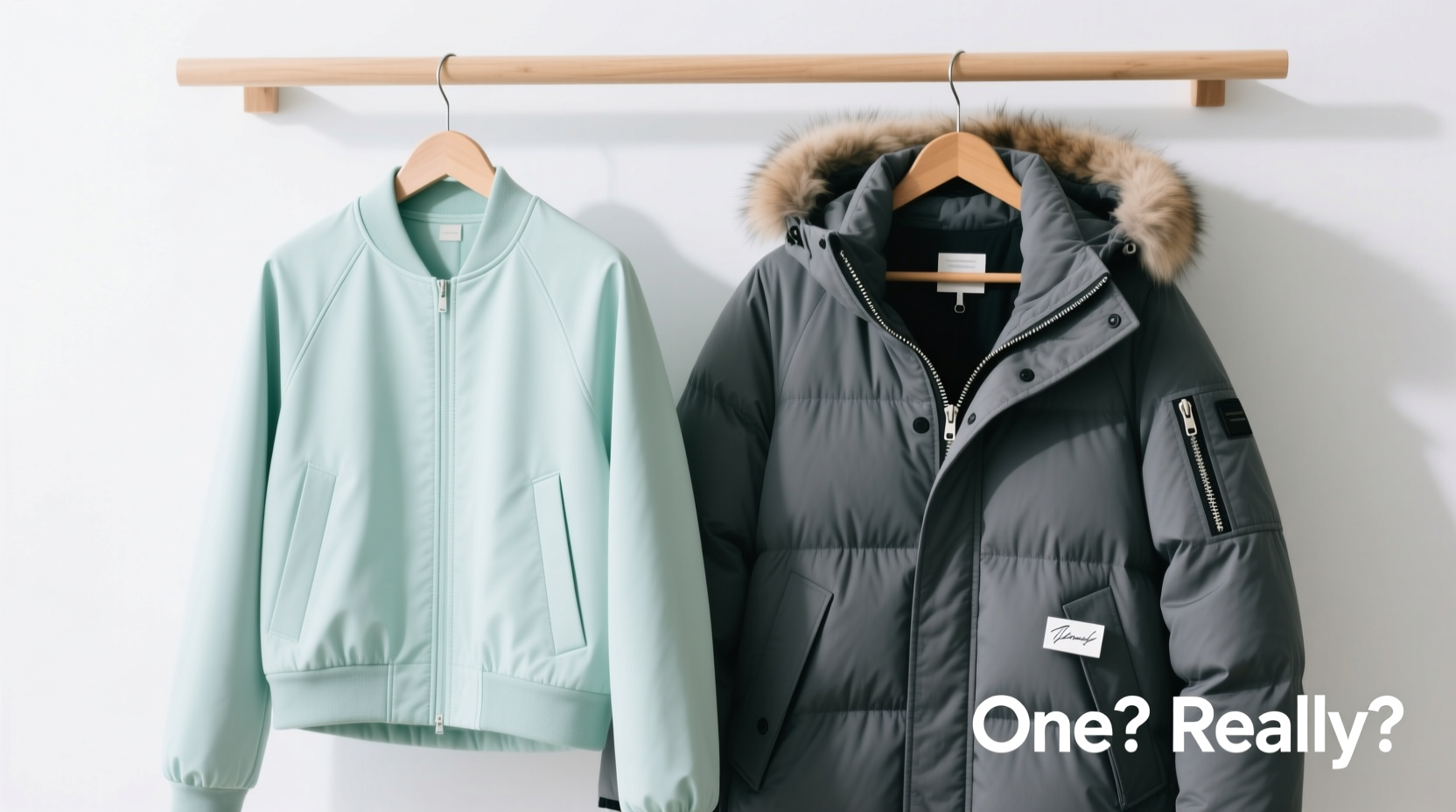
At first glance, both spring jackets and winter coats serve the same basic purpose: shielding you from the elements. But their construction, materials, and performance vary significantly based on seasonal demands.
Spring jackets are typically lightweight, breathable, and water-resistant. They’re designed for mild temperatures ranging from 45°F to 65°F (7°C to 18°C). Common styles include trench coats, denim jackets, field jackets, and softshell layers. These prioritize mobility, style, and moderate weather protection—especially against wind and light rain.
Winter coats, on the other hand, are built for extreme cold. They feature heavy insulation (down, synthetic fill, or wool), windproof exteriors, and often include hoods, high collars, and sealed seams. Designed for temperatures below 40°F (4°C), they focus on heat retention over breathability. Think parkas, puffer jackets, and wool overcoats.
The structural gap between these two categories means that while some overlap exists in transitional months like early spring or late fall, relying on just one for both peak winter and full spring conditions usually leads to discomfort—one will be too hot, the other too thin.
Material & Insulation: A Critical Divide
The choice of fabric and insulation determines how effective a garment is in different climates. Let’s compare typical materials:
| Feature | Spring Jacket | Winter Coat |
|---|---|---|
| Weight | Light to medium | Heavy |
| Insulation | Minimal (fleece lining, flannel) | High (down, synthetic fill, wool blends) |
| Breathability | High | Low to moderate |
| Water Resistance | Moderate (water-repellent finishes) | High (fully waterproof membranes) |
| Packability | Often packable or rollable | Bulky, less compressible |
As shown, the trade-offs are clear. A winter coat traps heat efficiently but overheats during brisk spring walks. A spring jacket allows airflow but fails when snow starts falling.
When You Might Get Away With One Layer
There are scenarios where using a single outerwear piece across both seasons is feasible—provided you adapt your layering strategy and live in a temperate climate.
In regions with mild winters and cool springs—such as coastal California, parts of southern Europe, or Pacific Northwest urban areas—temperatures rarely dip below freezing, and snow is uncommon. Here, a well-chosen midweight jacket with removable liners or adaptable ventilation can suffice year-round.
For example, a **technical softshell jacket** with a zip-in fleece liner performs well in early winter (with the liner) and spring (without it). Similarly, a **waterproof trench with thermal lining** offers flexibility across damp, chilly days without requiring a full parka.
“Versatility in outerwear comes not from one magic piece, but from smart layering and understanding microclimates.” — Lena Torres, Outdoor Apparel Designer at Alpine Threads
A Real Example: Urban Commuter in Portland, OR
Consider Mark, a daily bike commuter in Portland. His winter lows hover around 35°F, and spring arrives gradually by March. Instead of owning separate jackets, he uses a Gore-Tex-lined field jacket with a detachable quilted liner.
- Winter mode: Worn over a merino base layer and sweater, the jacket with liner keeps him warm and dry during rainy commutes.
- Spring mode: He removes the liner, pairs the shell with a long-sleeve tee, and stays comfortable despite morning drizzle and afternoon sun.
This approach works because his environment doesn’t demand extreme insulation, and he prioritizes moisture management over deep-cold protection.
When One Isn’t Enough: The Case for Seasonal Separation
If you live in an area with harsh winters—think Chicago, Montreal, or Denver—a spring jacket alone won’t protect you from sub-zero wind chills. Hypothermia risk increases quickly when underdressed, and no amount of layering under a lightweight shell compensates for lack of proper insulation.
Likewise, wearing a heavy winter coat in spring can lead to excessive sweating, discomfort, and even reduced mobility due to overheating. Breathability matters more than most realize; trapped moisture cools rapidly once activity stops, making you feel colder than if you’d worn less.
Additionally, overusing one jacket year-round accelerates wear and tear. Zippers fail, fabrics degrade, and water repellency diminishes faster when exposed to constant seasonal shifts and frequent washing.
Checklist: Can Your Current Jacket Handle Both Seasons?
Ask yourself the following before deciding to rely on a single outer layer:
- Does it provide adequate warmth in freezing temperatures without causing overheating above 50°F?
- Is it water-resistant enough for spring showers and winter sleet?
- Can it be layered effectively over thick sweaters or under lighter shirts?
- Is the material durable enough to withstand 10–12 months of regular use?
- Have you tested it in both coldest and mildest expected conditions?
If you answered “no” to two or more, investing in separate pieces is likely wiser.
Smart Alternatives: Building a Flexible Outerwear System
Rather than choosing between extremes, consider adopting a modular system. This approach lets you mix and match components instead of relying on one do-it-all garment.
A three-layer model works best:
- Base layer: Moisture-wicking fabric (merino wool or synthetic).
- Mid layer: Fleece, sweater, or insulated vest for added warmth.
- Outer shell: Weather-resistant jacket that blocks wind and rain.
In winter, wear all three. In spring, drop the mid layer or switch to a lighter shell. This method maximizes adaptability without sacrificing performance.
Frequently Asked Questions
Can I wear a winter coat in spring?
You can, but it’s often impractical. Most winter coats are too warm and bulky for spring temperatures, leading to discomfort and perspiration. Unless you're in a very cold microclimate or at high altitude, it’s better to switch to a lighter option.
Is a puffer jacket good for spring?
Lightweight puffers—especially sleeveless vests or packable styles—are excellent spring layers. They add warmth without bulk and work well as mid-layers under shells or over shirts. Avoid heavy-duty puffers unless mornings are still frosty.
What’s the best single jacket for mild climates?
A water-resistant cotton blend trench or a softshell jacket with moderate insulation strikes the best balance. Look for features like adjustable cuffs, a storm flap, and breathable lining to enhance versatility.
Conclusion: Choose Flexibility Over Compromise
While the idea of simplifying your wardrobe with one all-purpose jacket is appealing, true comfort and protection usually require season-specific gear. In moderate climates, a high-quality, adaptable jacket might bridge the gap—but it’s the exception, not the rule. For most people, owning both a spring jacket and a winter coat ensures preparedness without sacrificing well-being.
Instead of asking whether you *can* get away with one, ask whether you *should*. Long-term satisfaction comes from matching your clothing to real-world conditions, not convenience alone. Evaluate your local weather, lifestyle needs, and existing pieces honestly. Then build a system—not just a single item—that supports you throughout the year.




 浙公网安备
33010002000092号
浙公网安备
33010002000092号 浙B2-20120091-4
Comments
No comments yet. Why don't you start the discussion?