
Pillows are more than just soft accessories on a bed—they’re essential to spinal alignment, neck support, and overall sleep quality. Yet one detail often overlooked is the shape of the pillowcase. While most people assume all pillowcases are interchangeable, the reality is that choosing between a square and rectangular pillowcase can subtly—but significantly—affect your comfort, bedding aesthetics, and even how well your pillow stays in place at night.
The debate isn’t about which shape is universally better, but rather which aligns best with your sleeping habits, pillow type, and bedroom setup. Understanding the functional differences helps you make an informed decision that enhances both practicality and personal comfort.
Understanding Pillow and Pillowcase Dimensions
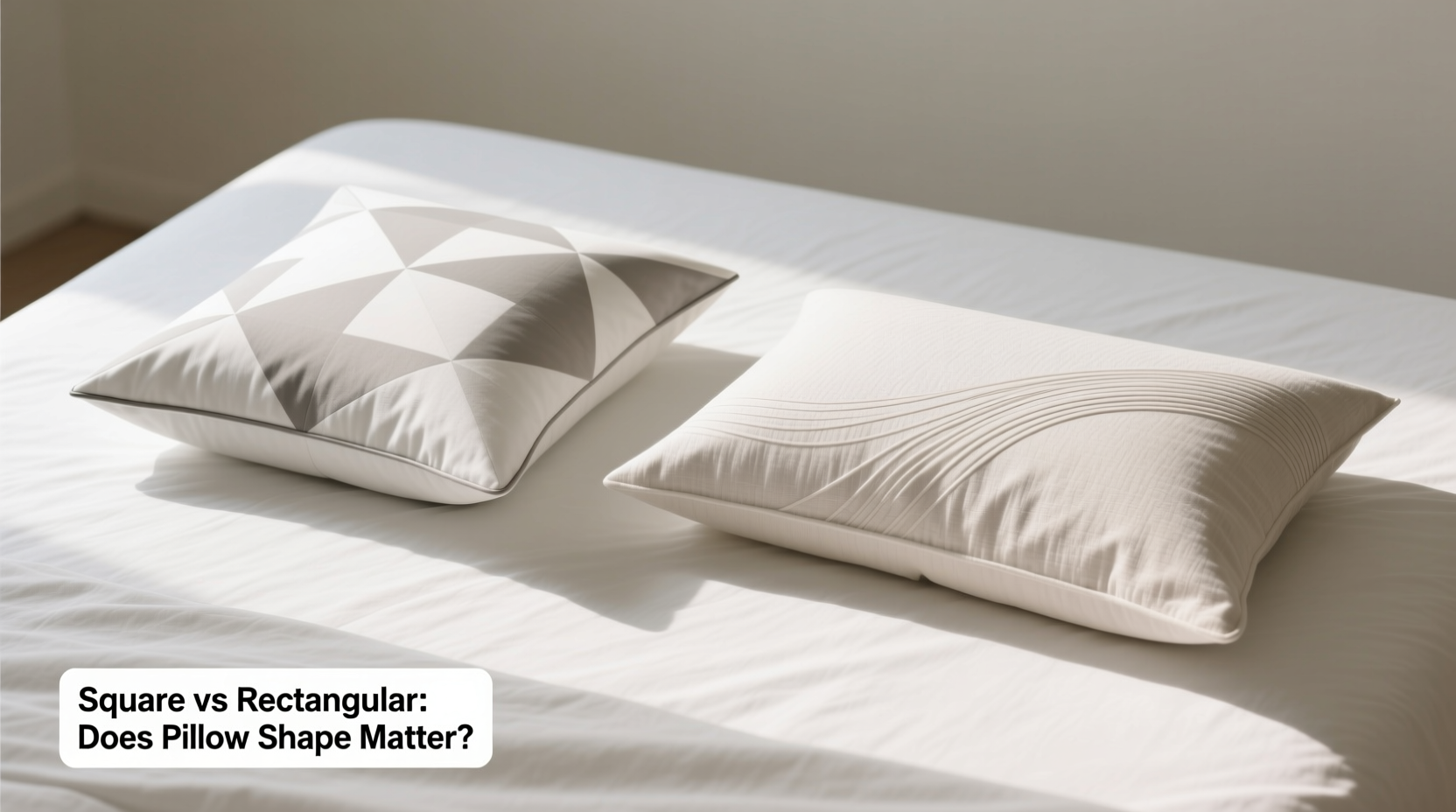
Before comparing shapes, it’s important to clarify standard sizes. In North America, the most common pillow dimensions are:
- Standard/Rectangular: 20” x 26”
- Queen: 20” x 30”
- King: 20” x 36”
- European/Square: 26” x 26”
A “square” pillowcase typically refers to one designed for European pillows—often used decoratively behind sleeping pillows or as backrests when sitting up in bed. A “rectangular” pillowcase fits standard sleeping pillows and is the default choice in most households.
The key difference lies not just in shape, but in function. Square cases are often oversized and used for accent pillows, while rectangular cases are tailored for nightly use and snug fits.
Functional Differences: Fit, Comfort, and Movement
How a pillowcase fits your pillow directly impacts performance. A poorly fitting case can bunch, slip off, or create excess fabric that disrupts sleep.
Using a square pillowcase on a standard rectangular pillow may seem convenient—after all, it’s larger and easier to slide the pillow into—but the extra material often results in looseness. This can cause the pillow to shift inside the case during the night, especially if you're a restless sleeper. The surplus fabric might also wrinkle or fold under your head, reducing support where you need it most.
Conversely, using a rectangular case on a square (European) pillow usually isn’t feasible without excessive strain on the seams, leading to premature wear or tears. Even if it stretches over, the tight fit compromises breathability and makes removal for washing difficult.
Comfort and Sleep Posture: Does Shape Influence Support?
Your sleeping position plays a major role in whether pillow shape matters. Side sleepers benefit from taller, firmer pillows that keep the spine aligned. A rectangular pillow naturally supports this due to its length and typical loft. When encased in a properly fitted rectangular case, the pillow maintains consistent shape and firmness throughout the night.
Back sleepers often prefer medium-height pillows, while stomach sleepers usually opt for flatter options. In these cases, a square pillow might be too bulky unless specifically designed for lower loft. However, some people layer a smaller rectangular pillow inside a square case for added plushness when lounging—a hybrid approach that works well for adjustable comfort.
“Pillowcase fit influences how evenly pressure is distributed across the neck and shoulders. A loose or ill-fitting case can compromise the structural integrity of even the highest-quality pillow.” — Dr. Lena Patel, Sleep Posture Specialist
Design and Aesthetic Considerations
Beyond function, pillow shape plays a key role in bedroom styling. Square pillowcases, particularly in Euro sizes, are staples in hotel-inspired and modern bedroom designs. They’re often used in multiples—layered behind sleeping pillows—to create a clean, symmetrical look.
Because they’re larger, square cases offer more surface area for design elements like embroidery, contrast piping, or bold patterns. This makes them ideal for decorative purposes, even if not used for actual sleeping.
Rectangular pillowcases, while less prominent visually, contribute to a minimalist aesthetic. When styled uniformly across both sides of the bed, they provide balance and cohesion, especially in smaller rooms where clutter should be minimized.
| Feature | Square Pillowcase | Rectangular Pillowcase |
|---|---|---|
| Primary Use | Decorative / Accent / Lounging | Sleeping / Everyday Use |
| Common Sizes | 26” x 26” (Euro) | 20” x 26” (Standard), 20” x 30” (Queen) |
| Fits Best With | Euro pillows, bolster pillows | Standard, queen, king sleeping pillows |
| Movement During Sleep | Higher (if used for sleeping) | Lower (snug fit reduces shifting) |
| Style Impact | High (great for layering) | Moderate (clean, understated) |
Real-Life Scenario: Upgrading a Guest Room Bed
Sarah, a home stylist in Portland, wanted to give her guest room a boutique-hotel feel. She purchased two Euro pillows and paired them with crisp white square pillowcases featuring subtle linen texture and double flange borders. Behind them, she placed her guests’ standard sleeping pillows in plain rectangular cases.
The result was both functional and stylish. Guests appreciated the lumbar support when sitting up in bed, and the layered look elevated the room’s aesthetic. Sarah kept spare rectangular cases on hand in case a guest preferred a simpler setup, but most commented positively on the luxurious feel.
This example shows how combining both shapes—using each for its intended purpose—can optimize comfort and visual appeal.
Step-by-Step Guide: Choosing the Right Pillowcase Shape
- Identify your pillow’s dimensions. Measure width and length precisely.
- Determine primary use: Is it for sleeping, lounging, or decoration?
- Select matching pillowcase size: Use rectangular for standard sleeping pillows; square for Euro or accent pillows.
- Check closure type: Envelope, zip, or sack-back? Ensure it holds the pillow securely.
- Consider fabric breathability: Cotton, linen, or bamboo work well for both shapes.
- Wash and care test: Confirm the case maintains shape after laundering.
FAQ: Common Questions About Pillowcase Shapes
Can I use a square pillowcase for my regular sleeping pillow?
You can, but it’s not ideal. The excess fabric may bunch or shift during sleep, reducing support and creating discomfort. For best results, use a rectangular case designed for standard pillow sizes.
Why do hotels use square pillows?
Hotels often use Euro (square) pillows for both comfort and presentation. They provide back support when sitting up and create a polished, layered look. Paired with tailored square cases, they contribute to a high-end aesthetic.
Are square pillowcases harder to find?
They’re less common than rectangular ones but widely available in department stores and online retailers. Look for \"Euro pillowcase\" or \"26x26\" when shopping to ensure proper fit.
Checklist: Choosing Between Square and Rectangular Pillowcases
- ✅ Measure your pillow before buying a case
- ✅ Match shape to function (sleeping vs. decorative)
- ✅ Prioritize snug fit to prevent shifting
- ✅ Choose breathable, durable fabric (e.g., cotton percale or sateen)
- ✅ Consider closure type for ease of use and security
- ✅ Buy in sets for consistency in appearance
- ✅ Store extras flat or rolled to maintain shape
Final Thoughts: Shape Matters More Than You Think
The choice between square and rectangular pillowcases isn’t merely cosmetic—it reflects how you use your bed. If your priority is restful, uninterrupted sleep, a well-fitted rectangular case on a supportive pillow is your best bet. But if you value a curated, inviting bedroom atmosphere, incorporating square cases for accent pillows adds depth and elegance.
Ultimately, the right choice depends on balancing form and function. By aligning pillowcase shape with your lifestyle and sleep needs, you enhance both comfort and style—without compromising either.




 浙公网安备
33010002000092号
浙公网安备
33010002000092号 浙B2-20120091-4
Comments
No comments yet. Why don't you start the discussion?