
Choosing between a square and a round tablecloth may seem like a minor detail, but it can significantly impact the look, functionality, and overall experience of your dining or event space. The right tablecloth enhances aesthetics, protects your furniture, and sets the tone for meals and gatherings. Yet, many people default to one shape without considering how well it actually suits their table, room layout, or intended use. Understanding the strengths and limitations of each shape helps you make an informed decision that aligns with both practicality and design.
Understanding Table Shape and Size Compatibility
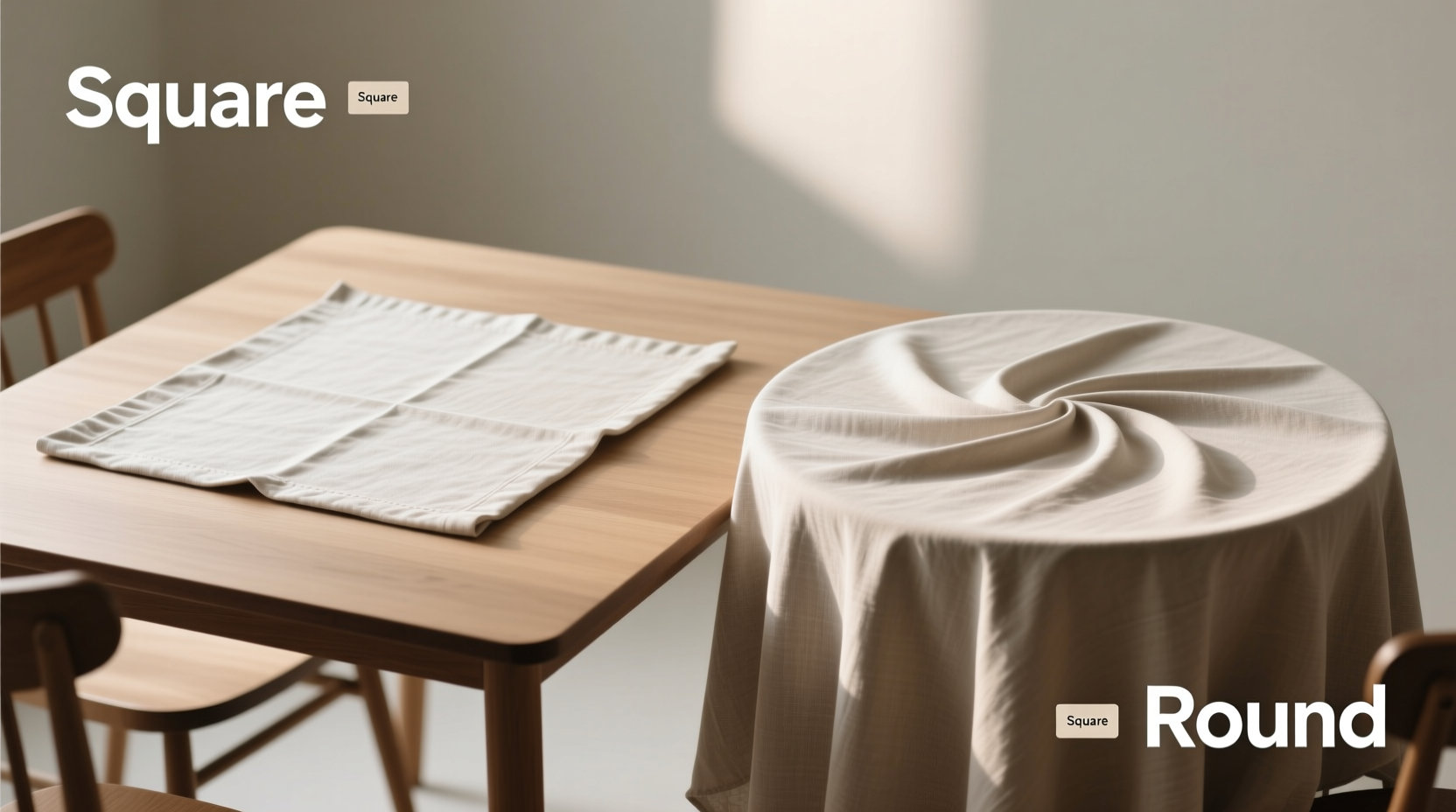
The first factor in choosing between a square and a round tablecloth is the shape of your table. While this may sound obvious, mismatched shapes are surprisingly common—especially when people try to repurpose linens across different tables. A round tablecloth on a square table will leave corners exposed, while a square tablecloth on a round table creates excess fabric at the edges, leading to uneven draping and potential tripping hazards.
Standard drop measurements also vary by shape. The “drop” refers to how far the cloth hangs down from the edge of the table. Common drops include:
- 1 inch (crumb catcher): Barely covers the edge; used for casual settings.
- 6–8 inches (standard drop): Clean, modest coverage ideal for everyday use.
- 12–15 inches (dinner drop): Reaches mid-way down chair seats; formal or family dinners.
- Floor-length (24+ inches): Used for banquets, weddings, or dramatic effect.
When measuring for a proper fit, always start with your table’s dimensions. For square tables, measure one side; for round tables, measure the diameter. Then add twice the desired drop length to determine the correct tablecloth size.
Functional Differences: Which Performs Better?
Beyond appearance, the performance of square versus round tablecloths varies based on setting, maintenance, and usage frequency.
Square tablecloths are typically easier to store and fold neatly, making them ideal for households that rotate linens frequently. They also pair naturally with rectangular or square tables, which dominate home dining rooms and conference setups. Because they align with the table’s geometry, square cloths minimize bunching and shifting during use.
Round tablecloths, on the other hand, excel on circular surfaces where they drape evenly all around. Their symmetrical flow makes them popular in restaurants and event spaces, where visual harmony matters. However, because they lack defined corners, alignment isn’t an issue—but centering becomes more critical. A misaligned round cloth looks noticeably off-balance.
In high-traffic environments, such as cafes or banquet halls, round cloths may require more frequent adjustment, especially if guests pull on the edges. Square cloths, with their taut corners, tend to stay put better when properly sized.
Visual Impact and Styling Considerations
The aesthetic contribution of a tablecloth should not be underestimated. It serves as the foundation of your table setting, influencing everything from centerpiece placement to mood.
Square tablecloths offer clean lines and structured elegance. They work particularly well in traditional or modern interiors where symmetry is valued. Paired with matching napkins and coordinated place settings, a square cloth can create a polished, orderly impression. Patterns with geometric designs often align better with square formats, enhancing visual cohesion.
Round tablecloths introduce softness and fluidity. They soften angular room elements and draw attention toward the center of the table, encouraging conversation. This makes them excellent choices for intimate dinners or social events where connection is key. Floral or radial patterns enhance the organic feel of a round cloth.
“Round tablecloths subtly promote inclusivity—they eliminate hierarchy by removing ‘head’ and ‘foot’ positions.” — Lila Chen, Interior Stylist & Event Designer
Comparison Table: Square vs Round Tablecloths
| Feature | Square Tablecloth | Round Tablecloth |
|---|---|---|
| Best For | Square or rectangular tables | Round or circular tables |
| Draping Style | Crisp corners, even sides | Continuous curve, no corners |
| Storage & Folding | Easier to fold and stack | May require rolling or careful bundling |
| Aesthetic Vibe | Structured, formal, modern | Soft, inviting, communal |
| Common Uses | Dining rooms, offices, buffets | Weddings, parties, cafes |
| Centering Difficulty | Low—corners guide placement | Moderate—requires manual centering |
Real-World Example: Choosing for a Dinner Party
Sarah hosts monthly dinner parties in her urban apartment. Her dining table is a 48-inch square wood surface that seats six comfortably. Initially, she used a round tablecloth she inherited from her grandmother, thinking it added charm. However, she noticed the fabric bunched awkwardly at the corners, and guests occasionally caught their arms in the excess material. After switching to a square 70-inch linen cloth with a 11-inch drop, the table looked tailored and elegant. The clean corners aligned perfectly, and the improved fit made serving dishes easier. Her guests commented on the more cohesive and intentional presentation.
This small change didn’t just improve aesthetics—it enhanced usability. Sarah now keeps both cloths but reserves the round one for decorative use on a circular entryway table.
Step-by-Step Guide to Choosing the Right Tablecloth
- Identify your table shape: Measure whether it’s square, rectangular, or round.
- Measure the surface: Note the side length (square/rectangular) or diameter (round).
- Determine desired drop: Choose between crumb catcher (1\"), standard (6–8\"), dinner (12–15\"), or floor-length (24\"+).
- Calculate required cloth size: Add twice the drop to the table dimension. Example: 36\" table + (2 × 12\") = 60\" cloth for a 12\" drop.
- Select material and care requirements: Cotton, linen, polyester blends—consider wrinkle resistance and washability.
- Match to occasion: Formal events favor floor-length; daily use benefits from durable, easy-care fabrics.
- Lay and test: Before finalizing, drape the cloth to check balance, clearance, and visual appeal.
Checklist: Picking Your Ideal Tablecloth
- ✅ Table shape matches cloth shape
- ✅ Correct size with desired drop calculated
- ✅ Fabric suits your lifestyle (e.g., stain-resistant for families)
- ✅ Color or pattern complements room decor
- ✅ Easy to clean and maintain
- ✅ Stored properly to avoid creases and mildew
- ✅ Tested in actual setting before event use
Frequently Asked Questions
Can I use a round tablecloth on a square table?
You can, but it’s not ideal. A round cloth will leave the corners of a square table exposed and may hang unevenly, creating a messy appearance. It also increases the risk of snagging. If you must use one, choose a size significantly larger than the table to minimize corner exposure, but expect some visual compromise.
Which tablecloth is better for outdoor use?
Square tablecloths generally perform better outdoors due to their stability. Corners can be tucked or secured with weights, reducing flutter in the wind. Round cloths, lacking anchor points, are more prone to lifting. For patios or gardens, consider weather-resistant materials like polyester or oilcloth in a square format.
Do round tablecloths require special care when washing?
Not inherently, but their continuous seam (in sewn versions) can be stressed in machines if overloaded. Wash in cold water on gentle cycle, and avoid overloading the drum. Air drying is recommended to preserve shape and prevent stretching, especially for heavier fabrics.
Final Thoughts: Function Meets Form
The debate between square and round tablecloths isn’t about declaring a universal winner—it’s about matching the right tool to the job. A square tablecloth brings precision and order, ideal for structured environments and sharp-edged tables. A round tablecloth offers grace and warmth, perfect for fostering connection around circular surfaces. Your choice should reflect not only your table’s dimensions but also your lifestyle, aesthetic preferences, and how you use the space.
By taking accurate measurements, considering usage context, and testing options in real settings, you’ll find a tablecloth that doesn’t just cover the table—it completes it.




 浙公网安备
33010002000092号
浙公网安备
33010002000092号 浙B2-20120091-4
Comments
No comments yet. Why don't you start the discussion?