
If you've ever been walking through a quiet park or backyard and suddenly heard a sharp, high-pitched shriek coming from a tree, you may have paused—wondering if a bird was injured or a cat was fighting. More likely than not, the culprit was a squirrel. Despite their small size and seemingly harmless nature, squirrels are capable of producing loud, piercing vocalizations that can sound more like a distressed animal than a rodent on alert. These “screams” serve critical functions in their survival and social structure. Understanding why squirrels scream—and what they’re trying to communicate—can offer insight into forest dynamics, predator-prey relationships, and even your own backyard ecosystem.
The Science Behind Squirrel Vocalizations
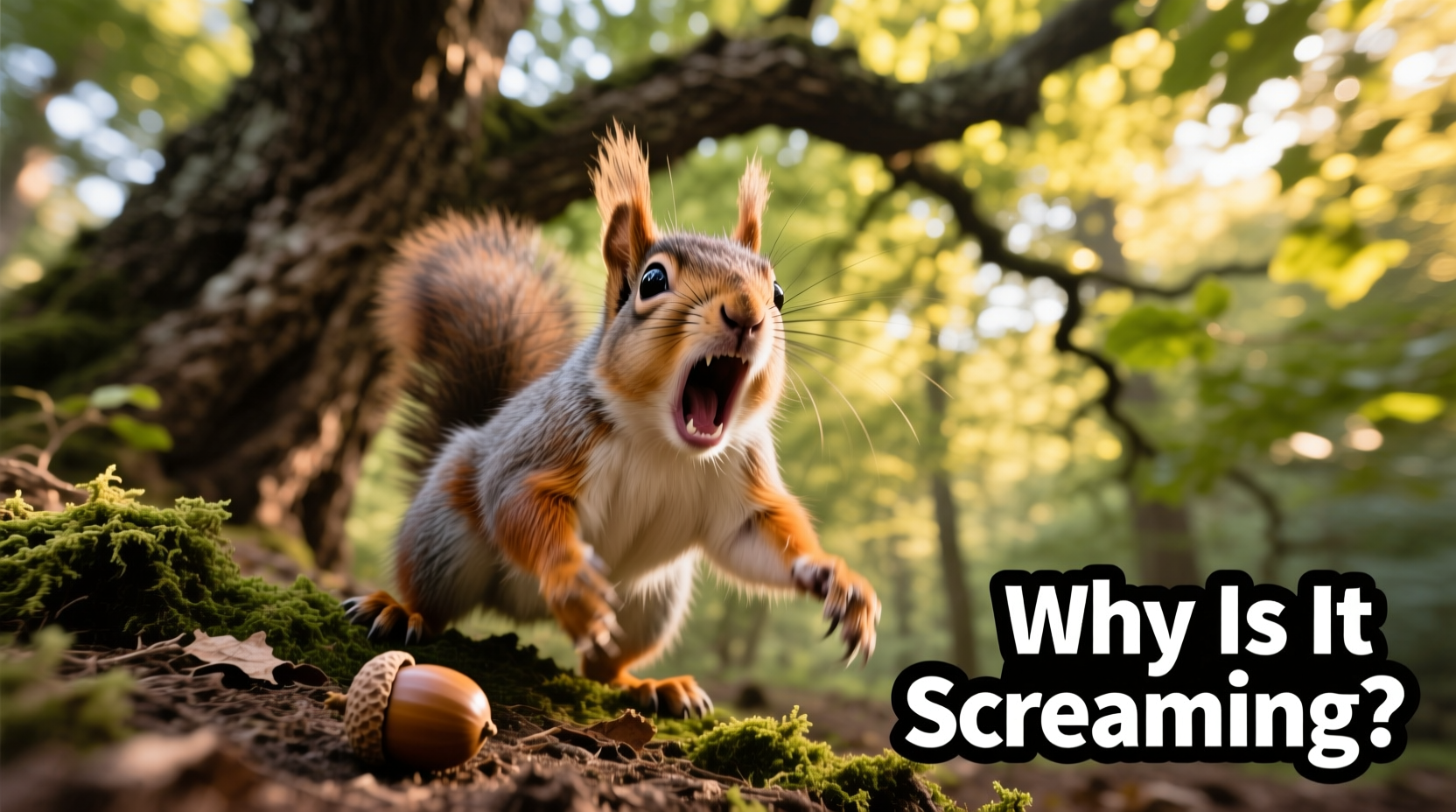
Squirrels are highly vocal animals, using a range of sounds—chatters, barks, squeals, and screams—to convey different messages. The most startling of these is the alarm scream, often described as a shrill, drawn-out cry that cuts through ambient noise. This vocalization is primarily produced by tree squirrels such as the eastern gray squirrel (*Sciurus carolinensis*), fox squirrels, and red squirrels.
These screams are generated through rapid exhalations and controlled vibrations in the larynx. Unlike human screams, which are often associated with fear or pain, squirrel screams are calculated signals embedded in complex communication systems. Researchers have identified two primary types of alarm calls: tonal (longer, whistling-like) and broadband (harsh, noisy). Screams typically fall into the latter category and are used when a threat is immediate and visible.
“Squirrel alarm calls are not random outbursts—they’re precise, context-specific signals that can inform other animals about the type, location, and urgency of danger.” — Dr. Jessica Watson, Behavioral Ecologist, University of Vermont
Why Do Squirrels Scream in Trees?
The most common reason a squirrel screams while perched in a tree is to warn others of a nearby predator. This behavior is known as alarm calling, and it plays a crucial role in both individual and community survival. When a squirrel spots a hawk circling above, a cat stalking below, or a snake climbing a trunk, it will often freeze momentarily, then emit a series of loud calls directed at the threat.
This serves multiple purposes:
- Deterrence: The scream can startle or signal to the predator that it has been detected, reducing the chance of a successful ambush.
- Warning: Nearby squirrels—and sometimes other species like birds—recognize these calls and take evasive action.
- Recruitment: In some cases, repeated screaming can rally other squirrels to mob the predator, driving it away through collective harassment.
Interestingly, squirrels adjust their calls based on the predator type. Aerial threats like hawks trigger short, high-frequency barks followed by a freeze-and-dive response. Ground predators like cats or foxes provoke longer, more repetitive screams as the squirrel remains visible and vocal, ensuring the threat knows it’s been spotted.
What the Screaming Means: Decoding the Message
Not all squirrel screams are equal. Scientists have observed variations in pitch, duration, repetition, and context that suggest nuanced meanings behind each call. Here’s how to interpret common patterns:
| Call Type | Sound Description | Meaning / Trigger |
|---|---|---|
| Ku-ka-ka-ka | Rapid, staccato chattering | General alert—something unusual is happening |
| Quaa | Long, drawn-out moan | Potential ground predator; low urgency |
| Moan scream | High-pitched, wavering cry | Immediate threat, especially aerial predators |
| Seet | High-frequency whistle (often inaudible to humans) | Stealth alarm for flying predators |
For example, a quick “seet” sound might go unnoticed by human ears but alerts other squirrels to dive for cover from an approaching hawk. In contrast, a loud, repetitive “quaa” bark indicates a prowling cat or raccoon, prompting squirrels to stay in the treetops and remain vigilant.
Real Example: The Backyard Hawk Encounter
In suburban Columbus, Ohio, resident Maria Thompson noticed her usual morning walk was interrupted by a frantic squirrel scream every few seconds from an oak tree. At first, she assumed the squirrel was hurt. But after standing quietly for two minutes, she spotted a red-tailed hawk perched silently in the upper branches, scanning the yard for prey. The squirrel, positioned on a neighboring maple, continued its alarm calls until the hawk finally took flight—abandoning its hunt. Neighboring birds fled their feeders, and two other squirrels joined in the chorus before silence returned. This real-world scenario illustrates how one squirrel’s scream can disrupt a predator’s strategy and protect an entire local animal community.
Other Reasons Squirrels Scream
While predator warnings are the most frequent cause of screaming, squirrels also vocalize during social conflicts, mating season, and territorial disputes. Juvenile squirrels may emit distress calls when separated from their mothers or threatened by older siblings. During breeding season, males may chase rivals through trees while emitting aggressive screeches. These sounds are typically shorter and less rhythmic than alarm calls, often accompanied by physical displays like tail flicking and chasing.
In urban environments, squirrels may also react to non-predatory disturbances—such as sudden noises, drones, or fast-moving objects—with alarm-like screams. While not life-threatening, these stimuli trigger instinctual responses shaped by evolutionary pressure.
How to Respond When You Hear a Squirrel Scream
Hearing a squirrel scream doesn’t require intervention, but it does offer a moment to observe nature in action. Use the opportunity to practice mindful wildlife observation. Follow these steps to learn more from the experience:
- Stop and listen: Pause your movement to avoid startling the squirrel further.
- Locate the source: Try to spot the squirrel without making sudden movements.
- Scan the surroundings: Look up for raptors, down for cats, and around for snakes or other threats.
- Observe behavior: Note whether the squirrel is alone or joined by others, and if any animals respond.
- Record (if possible): Use your phone to record audio or notes—this can help identify patterns over time.
Frequently Asked Questions
Is a screaming squirrel hurt or in pain?
Not necessarily. While injury or distress can cause vocalizations, most screaming is intentional communication, especially when the squirrel is active and alert. If the squirrel appears lethargic, injured, or continues calling for hours, it may need assistance from a wildlife rehabilitator.
Do squirrel alarm calls help other animals?
Yes. Many bird species, including chickadees, jays, and cardinals, recognize and respond to squirrel alarm calls. Some birds even use squirrel vocalizations as a primary cue to detect predators, demonstrating cross-species communication in natural ecosystems.
Can I stop a squirrel from screaming?
No, and you shouldn’t try. Screaming is a natural and necessary behavior for squirrel survival. Attempting to shoo the squirrel or make noise could escalate stress or expose it to greater danger. The best approach is to observe quietly and let the situation unfold naturally.
Final Thoughts: Listening to Nature’s Early Warning System
The next time you hear a squirrel screaming in a tree, resist the urge to dismiss it as noise. That sound is part of a sophisticated, life-preserving language refined over millions of years. It’s a reminder that even in urban backyards and city parks, wild instincts are alive and active. By paying attention to these calls, we gain a deeper appreciation for the interconnectedness of nature and the subtle ways animals protect themselves and each other.
Understanding squirrel screams transforms casual observers into informed participants in the natural world. Whether you're a birdwatcher, gardener, or simply someone who enjoys peaceful time outdoors, learning to interpret these signals enriches your experience and fosters respect for the intelligence of even the smallest forest dwellers.




 浙公网安备
33010002000092号
浙公网安备
33010002000092号 浙B2-20120091-4
Comments
No comments yet. Why don't you start the discussion?