
At first glance, Star vs. the Forces of Evil appears to be a whimsical animated series aimed at younger audiences—bright colors, magical battles, talking unicorns, and interdimensional travel. But beneath its playful surface lies a narrative engine so emotionally rich, structurally daring, and thematically layered that it has earned a devoted following across age groups. What begins as a story about a teenage princess learning to wield a sentient wand evolves into a complex exploration of identity, responsibility, and the cost of power. It’s no surprise that fans remain deeply attached long after the final episode aired.
A Coming-of-Age Story with Real Stakes
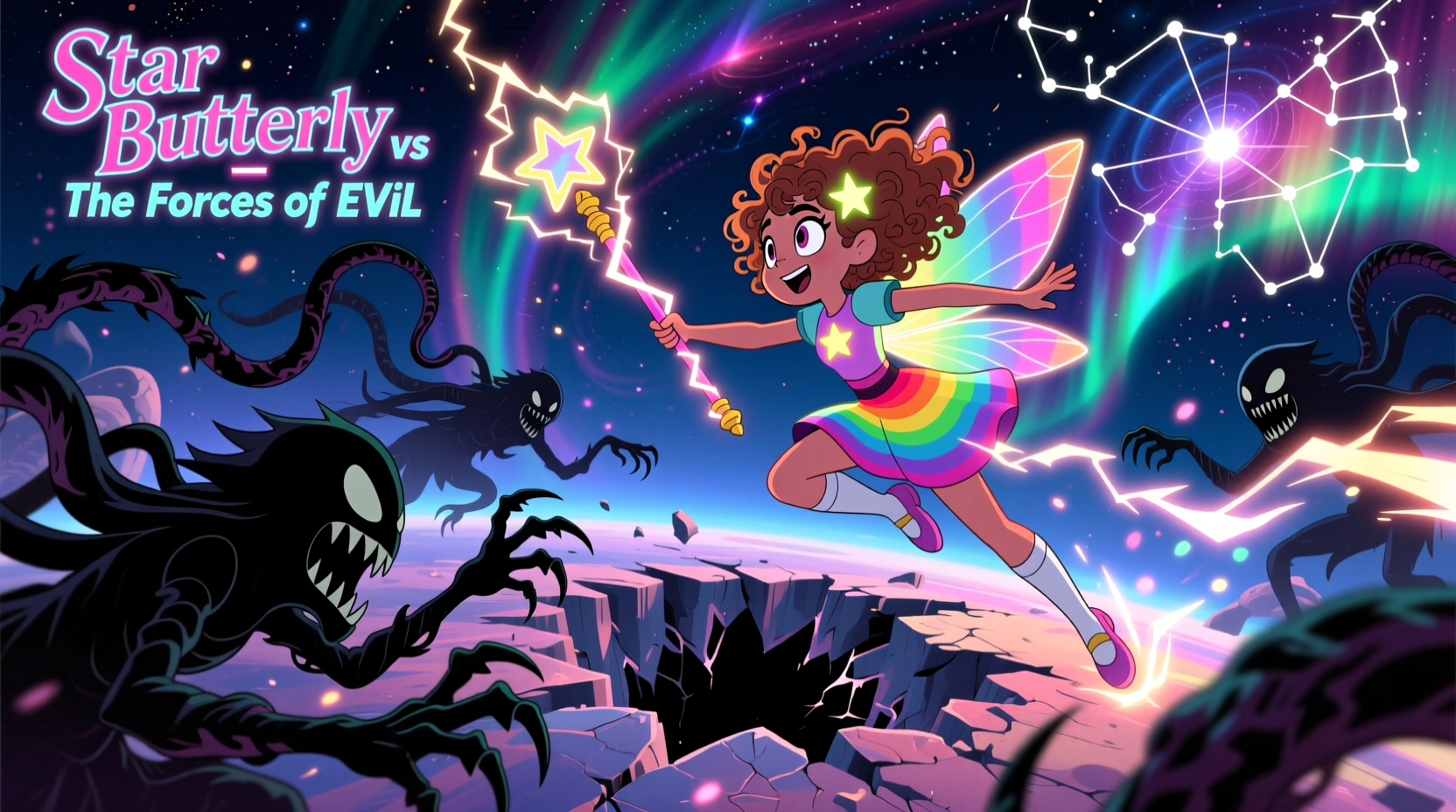
Unlike many animated shows that prioritize episodic humor over continuity, Star vs. the Forces of Evil commits to long-term character development. Star Butterfly isn’t just a magical teen causing chaos for laughs—she grows. Her journey from reckless heir to responsible leader mirrors real adolescent struggles: balancing freedom with duty, managing friendships under pressure, and confronting personal flaws.
The show doesn’t shy away from making her fail. In fact, failure is central to her arc. Whether it’s accidentally unleashing monsters on Earth or misusing magic with catastrophic consequences, Star’s mistakes have lasting ripple effects. This accountability grounds the fantasy in emotional truth, making her growth feel earned rather than handed down by plot convenience.
“Star isn’t just fighting monsters—she’s fighting her own impulses. That duality is what makes her relatable.” — Dr. Lena Torres, Media Psychologist specializing in youth narratives
Worldbuilding That Expands Without Losing Focus
One of the most impressive feats of the series is how it builds an expansive multiverse while keeping the core relationships intact. Starting in the vibrant realm of Mewni and expanding to dimensions like Butterfly Kingdom, St. Olga’s, and even the chaotic Realm of Oblivion, the show layers lore without overwhelming the viewer.
Rather than dumping exposition, the writers reveal world details organically—through dialogue, visual gags, and evolving conflicts. For example, the origin of the royal family’s magic wands isn’t explained until Season 3, but when it arrives, it reframes everything that came before. This slow-burn approach rewards attentive viewers and encourages rewatching.
Animation Style and Visual Storytelling
Dario Graffi’s distinctive art direction sets Star vs. the Forces of Evil apart from other Disney productions. The character designs are exaggerated yet expressive, the action sequences fluid and inventive, and the color palette bold and symbolic. Magic spells aren’t just flashy—they reflect the user’s personality. Star’s chaotic bursts contrast sharply with Marco’s precise, disciplined techniques.
The show also uses visual metaphors effectively. When Star experiences anxiety or guilt, the screen distorts; shadows stretch, colors invert, and time seems to stutter. These stylistic choices deepen emotional impact without relying solely on dialogue.
Animation Evolution Across Seasons
| Season | Art Style Shift | Narrative Impact |
|---|---|---|
| 1–2 | Bright, cartoonish, comedic pacing | Emphasizes Star’s naivety and playfulness |
| 3 | Darker tones, more detailed backgrounds | Reflects growing tension and moral complexity |
| 4 | Surreal visuals, abstract transitions | Conveys psychological strain and existential stakes |
The Power of Friendship—and Its Limits
Central to the show is the bond between Star and Marco Diaz. Their friendship anchors the series, providing both comic relief and emotional stability. But what elevates their relationship beyond typical “buddy” dynamics is how the show tests it—not through petty jealousy, but through fundamental differences in values.
Marco believes in rules, order, and protecting Earth at all costs. Star champions freedom, experimentation, and dismantling oppressive systems—even if it means breaking things along the way. Their ideological clashes aren’t resolved with a hug; they evolve over time, forcing both characters to compromise and grow.
This nuanced portrayal challenges the idea that friendship can solve everything. By Season 4, their paths diverge not out of anger, but because their visions for the future no longer align. That maturity in storytelling is rare in children’s animation and resonates deeply with older viewers.
Mini Case Study: The Battle for Mewni
In the two-part finale, “Cleaved,” the culmination of years of buildup unfolds. Star chooses to destroy the magic system that has defined her world to prevent endless war. Marco supports her decision, but only after grappling with the consequences—Earth will lose its connection to magic, and their adventures together will end.
This moment isn’t framed as a victory or defeat, but as a necessary sacrifice. There’s no grand celebration, only quiet acceptance. Fans reported feeling emotionally overwhelmed—not because of spectacle, but because the resolution felt true to the characters’ journeys.
Themes That Resonate Beyond Fantasy
Beneath the sparkles and sword fights, Star vs. the Forces of Evil tackles weighty themes: colonialism (Mewni’s conquest of other realms), systemic oppression (the treatment of monsters), generational trauma (the Butterfly family curse), and the ethics of power.
The show critiques the very concept of “chosen ones.” Star inherits her wand not because she’s uniquely gifted, but because of bloodline privilege—a point the narrative repeatedly questions. As she learns, leadership isn’t about birthright; it’s about empathy, accountability, and knowing when to step aside.
- Magic as a metaphor for unchecked privilege
- War not as heroism, but as cyclical tragedy
- Identity as something forged, not inherited
Checklist: Why Fans Stay Hooked
- ✅ Character arcs that evolve meaningfully across seasons
- ✅ Emotional honesty in both humor and drama
- ✅ A willingness to subvert genre expectations
- ✅ Rich symbolism and visual storytelling
- ✅ Complex relationships that avoid clichés
- ✅ Themes that challenge viewers to think critically
- ✅ A satisfying, bittersweet conclusion that honors the journey
Frequently Asked Questions
Is Star vs. the Forces of Evil appropriate for young kids?
The show starts with a lighthearted tone suitable for ages 7+, but later seasons introduce mature themes like war, loss, and moral ambiguity. Parental guidance is recommended for viewers under 10, especially during intense episodes like “Doop-Doop” or “Cleaved.”
Why did the animation style change in later seasons?
The shift reflects the show’s tonal evolution. As the story grows darker and more introspective, the visuals become more detailed and surreal. This wasn’t just an aesthetic choice—it was a narrative tool to mirror the characters’ internal states.
Was the ending controversial?
Yes and no. Some fans were disappointed that Star and Marco didn’t end up romantically together, but many praised the ending for prioritizing personal growth over romance. Creator Daron Nefcy emphasized that the story was always about self-discovery, not love conquests.
Step-by-Step Guide to Appreciating the Show’s Depth
- Watch chronologically – Avoid jumping around. Early jokes and side characters gain significance later.
- Note recurring symbols – The butterfly motif, crown imagery, and spell glyphs carry thematic weight.
- Revisit key turning points – Episodes like “Bon Bon the Music Man,” “Storm the Castle,” and “The Other Exchange Student” redefine character motivations.
- Consider the political undertones – Ask: Who benefits from the current system? Who is silenced?
- Reflect on the ending – Was destroying magic the right choice? What would you have done?
Conclusion: More Than Just a Kids’ Show
Star vs. the Forces of Evil earns its cult status by refusing to talk down to its audience. It embraces chaos and beauty, humor and heartbreak, all while telling a story about what it means to grow up in a world full of contradictions. Its addictiveness comes not from gimmicks, but from authenticity—the courage to let characters make bad decisions, relationships fracture, and happy endings come with trade-offs.
This is a show that respects its viewers enough to challenge them. Whether you’re drawn to its kaleidoscopic animation, its emotional crescendos, or its fearless storytelling, one thing is clear: Star vs. the Forces of Evil leaves a mark long after the credits roll.




 浙公网安备
33010002000092号
浙公网安备
33010002000092号 浙B2-20120091-4
Comments
No comments yet. Why don't you start the discussion?