
A state tax levy is one of the most serious actions a government agency can take against a taxpayer who has failed to meet their tax obligations. Unlike a simple late notice or penalty, a levy gives the state legal authority to seize assets—such as wages, bank accounts, vehicles, or property—to satisfy an outstanding tax debt. Understanding why this occurs and how to respond is crucial for regaining financial stability and avoiding long-term consequences.
What Is a State Tax Levy?
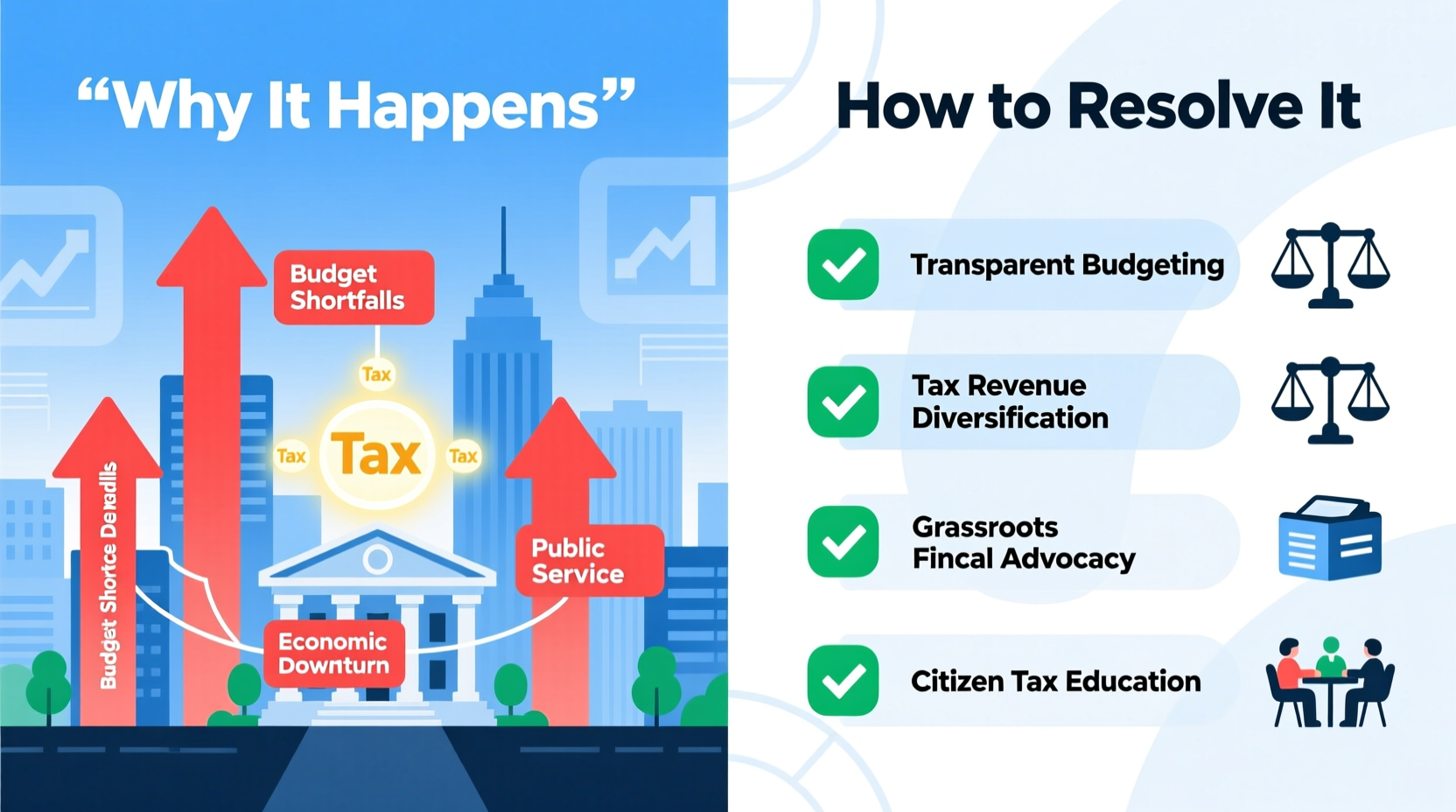
A state tax levy is not the same as a tax lien. While a lien is a legal claim against your property, a levy is the actual seizure of assets to pay off a tax debt. States typically pursue levies after multiple attempts to collect unpaid taxes have failed. This process usually follows a series of notices, demands for payment, and opportunities to appeal or set up payment arrangements.
Once initiated, a levy can happen quickly. For example, a wage garnishment may begin within days of the levy being issued, with your employer legally required to withhold a portion of your paycheck. Bank account levies can freeze funds immediately, sometimes leaving individuals unable to cover basic living expenses.
Why Does a State Tax Levy Happen?
Tax levies are enforcement tools used when taxpayers fail to address overdue balances. Several factors commonly lead to this outcome:
- Unfiled or Late Tax Returns: Failing to file returns on time triggers penalties and interest, increasing the total debt.
- Underpayment of Taxes: Even if you file, underreporting income or miscalculating liabilities can result in large balances due.
- Ignored Notices: Repeatedly disregarding warning letters from the state revenue department escalates the situation.
- Failed Payment Agreements: Defaulting on an installment plan often leads directly to enforcement actions.
- Business Tax Delinquency: Employers who fail to remit sales or payroll taxes are especially vulnerable to aggressive collection measures.
The process generally follows a legal sequence: assessment of the debt, issuance of a Notice of Demand, and finally, a Notice of Intent to Levy. If no action is taken after the final notice, the state may proceed without further warning.
How to Resolve a State Tax Levy
Resolving a tax levy requires prompt, strategic action. The good news is that most levies can be released or modified if addressed quickly. Below is a step-by-step approach to reclaim control over your financial situation.
Step 1: Verify the Levy and Debt Amount
Contact your state’s tax agency to confirm the validity of the levy. Request a detailed account transcript showing the original tax, penalties, interest, and any prior payments. Mistakes do occur—incorrect assessments or double-counted payments can inflate the balance.
Step 2: Request a Release or Hold
If the levy is causing immediate hardship—such as inability to pay for rent, food, or medical care—you can request a temporary release based on economic hardship. Some states allow administrative holds while you negotiate a resolution.
Step 3: Explore Payment Options
Several formal programs exist to help taxpayers settle their debts without asset seizure:
- Installment Agreement: Pay the balance in monthly installments over time.
- Offer in Compromise (OIC): Settle for less than the full amount owed if you can prove financial hardship.
- Currently Not Collectible Status: Temporarily pause collections if your income is below a certain threshold.
Step 4: Submit Required Documentation
Whether applying for an OIC or installment plan, you’ll need to provide proof of income, expenses, assets, and liabilities. Accuracy and completeness are critical—missing documents delay processing and increase the chance of denial.
Step 5: Follow Through and Stay Compliant
Once an agreement is in place, make all payments on time and file all future returns promptly. Falling behind again may result in reinstatement of the levy or additional penalties.
“Taxpayers often wait too long to act. The moment you receive a Notice of Intent to Levy, that’s your window to negotiate. After the levy hits, options shrink fast.” — Laura Simmons, State Tax Resolution Attorney
Do’s and Don’ts When Facing a Tax Levy
| Do’s | Don’ts |
|---|---|
| Respond to all notices immediately | Ignore letters or assume they’ll go away |
| Call the state tax agency to discuss options | Threaten or argue with collection agents |
| Keep detailed records of all communications | Withdraw all funds from your bank account (this may trigger suspicion) |
| Seek help from a tax professional if overwhelmed | Make promises you can’t keep during negotiations |
| File missing returns even if you can’t pay | Transfer assets to avoid seizure (this is illegal and could lead to fraud charges) |
Real Example: How One Small Business Owner Resolved a Levy
Mark R., a freelance graphic designer in Ohio, missed two years of state income tax filings due to erratic income and poor recordkeeping. By the time he received a Notice of Intent to Levy, his debt—including penalties and interest—had grown to $18,000. His bank account was frozen unexpectedly, disrupting rent and utility payments.
Within 48 hours, Mark contacted the Ohio Department of Taxation and requested a hardship review. He submitted a financial statement, recent tax returns, and proof of monthly expenses. He applied for an installment agreement and provided documentation showing his average monthly income had dropped significantly post-pandemic.
After two weeks, the state agreed to release the bank levy and approved a five-year payment plan at a low monthly rate. Mark now uses accounting software to track income and sets aside tax funds quarterly, preventing future issues.
Frequently Asked Questions
Can a state tax levy be reversed?
Yes, in many cases. If you act quickly, demonstrate financial hardship, or enter into a payment agreement, the state may release the levy. Once assets are seized—like funds withdrawn from a bank—it becomes much harder to recover them, so speed is essential.
How long does a tax levy last?
A levy remains in effect until the debt is paid, the levy is released, or the statute of limitations on collection expires—typically 10 years in most states. However, ongoing levies (like wage garnishments) continue monthly until the balance is satisfied or a new arrangement is made.
Does a state tax levy affect my credit score?
Unlike federal tax liens, which used to appear on credit reports, most state tax levies do not directly impact credit scores. However, if the levy leads to unpaid bills, closed bank accounts, or lawsuits, those events can indirectly damage your credit.
Action Plan Checklist
Use this checklist to navigate a state tax levy effectively:
- Read all notices carefully and note deadlines.
- Contact the state tax agency to verify the debt.
- Gather financial documents: income statements, expense records, asset lists.
- Determine eligibility for an installment agreement or Offer in Compromise.
- Submit application forms and supporting documents on time.
- Request a hardship release if the levy threatens basic needs.
- Follow up weekly until you receive confirmation of resolution.
- Stay current on all future tax filings and payments.
Take Control Before It’s Too Late
A state tax levy is a serious but often avoidable consequence of unresolved tax debt. The key to resolving it lies in proactive communication, accurate documentation, and timely action. Whether you qualify for a payment plan, compromise offer, or hardship relief, solutions exist—but only if you engage with the process.
Don’t wait for another paycheck to be garnished or another account to be frozen. Take inventory of your tax situation today, reach out to your state’s revenue department, and start building a path toward financial recovery. Your future self will thank you.




 浙公网安备
33010002000092号
浙公网安备
33010002000092号 浙B2-20120091-4
Comments
No comments yet. Why don't you start the discussion?