
The world of footwear is constantly evolving, but some classics refuse to fade. Among them: the heel. Yet today’s fashion landscape forces a question—do timeless basics still have a place when bold, sculptural, and artistic statement heels dominate runways and social media? The answer isn’t as simple as “yes” or “no.” It lies in understanding the role each type plays in modern dressing, how personal style intersects with occasion, and why versatility still matters.
While statement heels grab attention with exaggerated shapes, metallic finishes, or architectural silhouettes, classic heels—think pointed-toe pumps, neutral-toned stilettos, or block-heel loafers—offer reliability and elegance. But with trends shifting fast, many wonder if investing in these foundational styles is still worth it. Let’s break down the differences, explore their relevance, and determine whether classic heels are truly falling out of favor—or quietly reigning supreme behind the scenes.
The Rise of Statement Heels
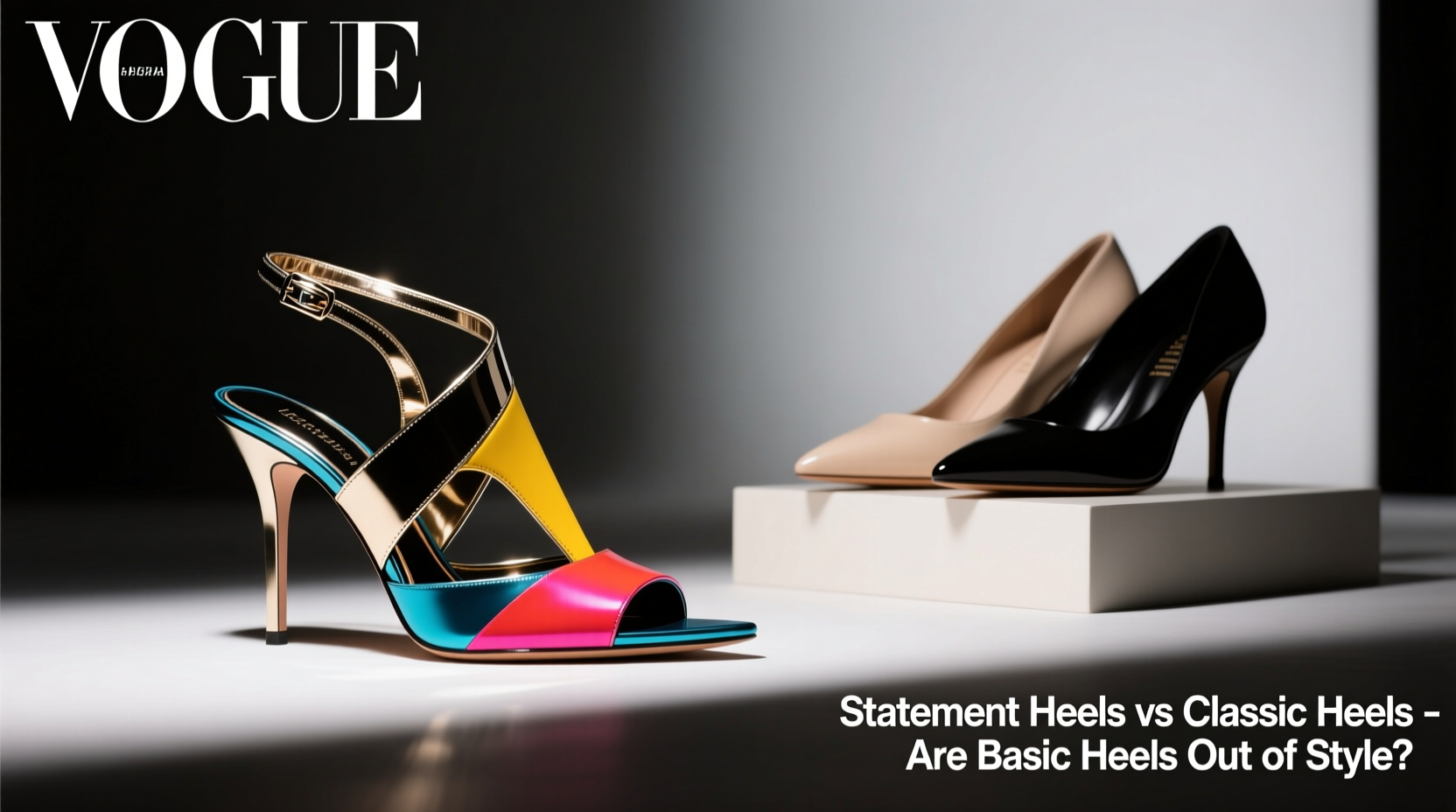
Statement heels emerged as more than just footwear—they became wearable art. Designers like Alexander McQueen, Gianvito Rossi, and Schutz have redefined what a heel can be: platforms with cutouts, transparent materials, animal prints layered over geometric forms, or even heels shaped like sculptures. These shoes don’t just complement an outfit; they lead it.
Fueled by social media and red carpet moments, statement heels thrive in environments where visibility equals value. A pair of neon green mules with 4-inch lucite blocks might not be practical for all-day wear, but they’ll stop a scroll on Instagram. They’re designed for impact, ideal for events, photo shoots, or nights out where standing out is the goal.
Still, their dominance doesn’t mean they’ve replaced classics. Instead, they’ve shifted the conversation from function to expression. As stylist and fashion consultant Naomi Chen explains:
“Statement heels are the exclamation point of an outfit. But every sentence needs structure—and that’s where classic heels come in.” — Naomi Chen, Fashion Stylist & Editorial Director
Why Classic Heels Remain Relevant
Despite the allure of dramatic designs, classic heels continue to anchor wardrobes across generations. Their staying power comes from three key strengths: versatility, professionalism, and timelessness.
- Versatility: A black patent pump transitions seamlessly from office meetings to dinner dates.
- Professionalism: In corporate or conservative settings, understated heels signal polish without distraction.
- Timelessness: Unlike trend-driven pieces, well-made classic heels rarely look dated—even after years.
Moreover, classic heels often offer superior comfort and durability. Many are crafted with long-term wear in mind—cushioned insoles, balanced heel heights (2–3 inches), and high-quality leather uppers. This makes them ideal for those who prioritize function alongside form.
Comparing Statement vs Classic: A Practical Breakdown
To better understand where each type fits, consider how they perform across real-life criteria. The table below compares key aspects:
| Feature | Statement Heels | Classic Heels |
|---|---|---|
| Style Impact | High – designed to stand out | Moderate – enhances without overpowering |
| Wearability | Limited – best for short durations or special events | High – suitable for extended wear |
| Outfit Compatibility | Niche – works best with minimalist clothing | Broad – pairs with everything from jeans to suits |
| Lifespan | Shorter – prone to looking dated quickly | Longer – ageless design and construction |
| Cost Efficiency | Lower – occasional use per dollar spent | Higher – frequent use spreads cost over time |
This comparison shows that while statement heels win in visual drama, classic heels excel in utility and longevity. Neither is inherently “better”—they fulfill different roles.
When to Choose Which: A Real-Life Scenario
Consider Maya, a marketing executive in her early 30s. Her week includes client presentations, team meetings, and two evening networking events. On Monday, she wears a tailored navy suit with a crisp white blouse. Her footwear choice? A pair of almond-toe, 3-inch black suede heels—classic, polished, professional. They command respect without drawing focus from her presentation.
By Thursday, she attends a creative industry mixer. She swaps the suit for a sleek slip dress in emerald green. This time, she opts for strappy gold sandals with a curved lucite heel—bold, modern, eye-catching. The shoes spark conversation and align with the event’s vibrant energy.
Maya’s approach reflects a balanced shoe philosophy: classic heels for authority and consistency, statement heels for flair and memorability. She owns six pairs of heels total—four classic, two statement. Her closet strategy maximizes both impact and practicality.
How to Build a Balanced Heel Wardrobe
You don’t need to choose sides. The most stylish and functional wardrobes include both types, curated intentionally. Follow this checklist to build yours:
- Start with three core classic pairs: black pump, nude slingback, and a comfortable block heel in a neutral tone.
- Add one seasonal statement heel: limit yourself to one standout pair per year to avoid clutter.
- Assess fit and comfort first: no heel—no matter how trendy—should cause pain after 30 minutes.
- Match heel type to lifestyle: urban commuters benefit from lower, stable heels; event-goers can experiment more freely.
- Rotate regularly: alternating pairs extends lifespan and prevents sole wear.
Are Basic Heels Out of Style?
No—basic heels are not out of style. What has changed is how we define “basic.” A simple black pump may seem unremarkable next to a feather-trimmed platform, but its enduring presence in boardrooms, bridal parties, and editorial shoots proves its cultural staying power. The term “basic” often carries negative connotations, implying dullness or lack of originality. But in fashion, basics are the foundation upon which bold choices are made.
As fashion historian Dr. Lena Torres notes:
“The little black dress was once called basic. So was the trench coat. Today, we call them timeless. Classic heels are undergoing the same quiet reevaluation.” — Dr. Lena Torres, Fashion Historian, FIT
Rather than disappearing, classic heels are being recontextualized. Designers now offer them in sustainable materials, inclusive sizing, and adaptive designs for accessibility—proving that evolution doesn’t require obsolescence.
FAQ
Can I wear classic heels to a trendy event?
Absolutely. Pair a classic heel with an edgy outfit—a leather skirt, oversized blazer, or bold jewelry—and it becomes part of a modern look. The contrast often reads as intentional and sophisticated.
Do statement heels go out of style faster?
Generally, yes. Due to their trend-driven nature, statement heels can appear dated within 2–3 years. Classic heels, especially in neutral colors and clean lines, remain wearable much longer.
How many heel pairs should I own?
Aim for 4–6 quality pairs. Include 3–4 classics for daily and professional wear, and 1–2 statement styles for special occasions. Rotate based on season and need.
Conclusion
The debate between statement heels and classic heels isn’t about which wins—it’s about understanding their distinct purposes. Statement heels captivate and express individuality; classic heels support, stabilize, and endure. Declaring basic heels “out of style” overlooks their essential role in creating cohesive, adaptable wardrobes.
Instead of chasing every passing trend, focus on building a collection that balances excitement with practicality. Choose statement heels that reflect your personality, and invest in classic heels that last for years. Fashion isn’t about choosing one path—it’s about walking confidently on both.




 浙公网安备
33010002000092号
浙公网安备
33010002000092号 浙B2-20120091-4
Comments
No comments yet. Why don't you start the discussion?