
In an era where burnout is rampant and time off feels increasingly scarce, the way we recharge matters more than ever. For decades, the default idea of a “real” vacation has involved boarding planes, packing suitcases, and escaping to distant destinations. But what if the most restorative break isn’t hundreds of miles away—but right in your own bedroom? The growing popularity of staycations challenges the assumption that you need to leave home to truly relax. In fact, staying in your own bed may offer deeper rest, fewer stressors, and long-term benefits that far-flung trips often fail to deliver.
This isn’t about rejecting travel altogether. It’s about redefining what a meaningful break looks like—and recognizing that sometimes, the quietest retreats are the most powerful.
The Hidden Costs of Traditional Vacations
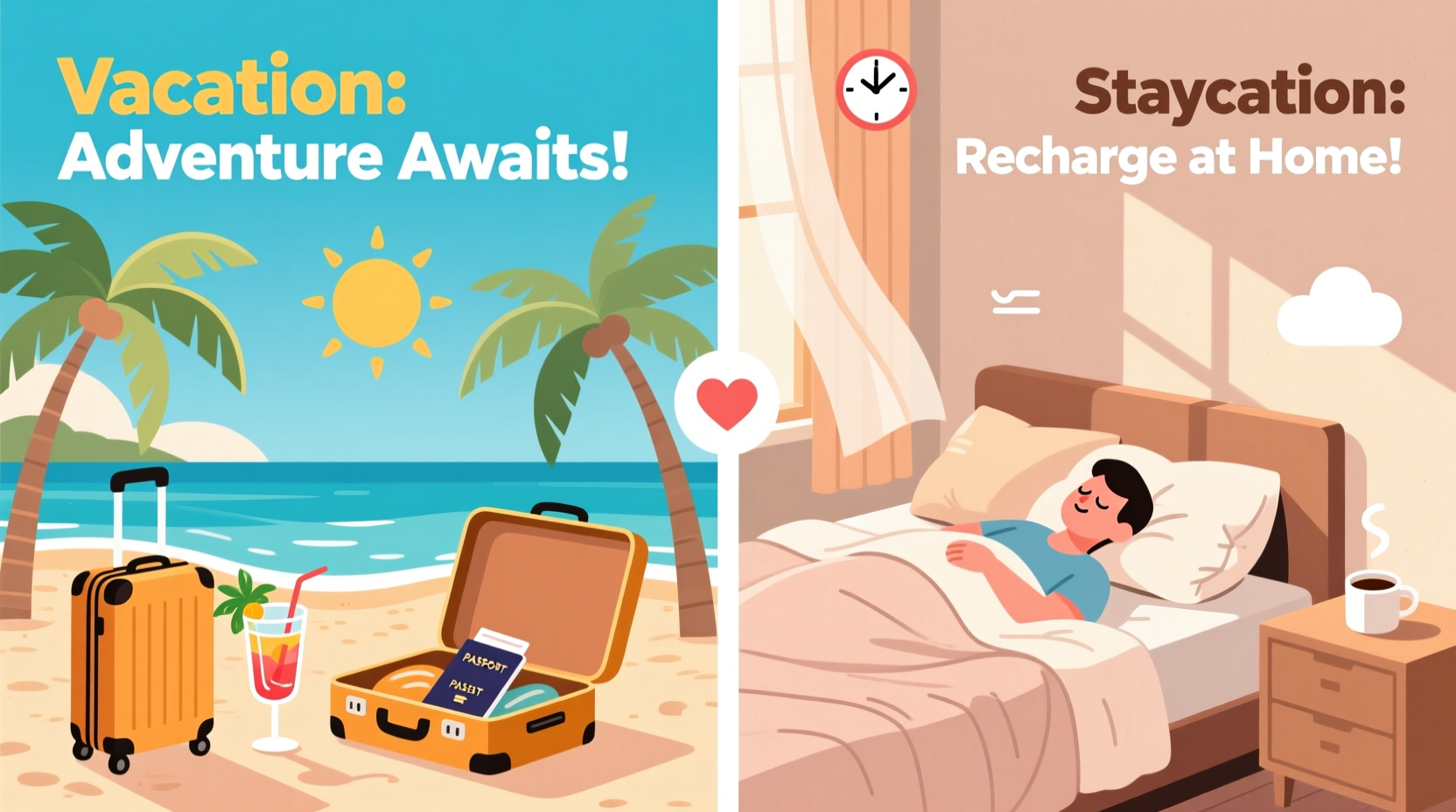
Vacations are marketed as escapes from routine—opportunities to unwind, explore, and return refreshed. Yet for many, the reality falls short. Travel logistics, unfamiliar environments, and packed itineraries can turn a supposed break into a second job. Jet lag disrupts circadian rhythms, hotel beds compromise sleep quality, and the pressure to “make the most” of every moment can create mental fatigue instead of relief.
Research supports this disconnect. A 2023 study published in the Journal of Travel Research found that nearly 40% of travelers reported feeling more exhausted after returning from vacation than before they left. Contributing factors included disrupted sleep, over-scheduling, and post-trip workload buildup.
Financial strain amplifies the issue. The average American spends over $1,500 per person on a week-long domestic vacation, according to the U.S. Travel Association. That figure doesn’t include hidden costs like baggage fees, rental cars, or impulse purchases. For families, these expenses can lead to months of budget tightening—hardly conducive to sustained well-being.
What Is a Staycation, and Why It Works
A staycation—defined as a period of leisure spent at or near home—has evolved from a budget-friendly alternative to a deliberate wellness strategy. Unlike passive days off, a successful staycation involves intentional disengagement from work and routine responsibilities, paired with activities that foster relaxation and joy.
The advantage begins with sleep. Your body thrives on consistency. Sleeping in your own bed, surrounded by familiar scents, sounds, and mattress support, promotes deeper REM cycles and reduces nighttime awakenings. According to the National Sleep Foundation, even minor changes in sleep environment can delay sleep onset by 20–30 minutes per night—adding up to hours of lost rest over a week.
Staying home also eliminates decision fatigue. No navigating foreign transit systems, decoding menus, or troubleshooting booking errors. Instead, you reclaim time and mental bandwidth. This autonomy allows for spontaneity: a mid-morning yoga session, an afternoon novel under a tree, or simply doing nothing without guilt.
“Sleep continuity is one of the strongest predictors of next-day cognitive performance and emotional regulation. Disrupting it during vacations may undermine their restorative purpose.” — Dr. Lena Torres, Sleep Psychologist, University of California
Staycation vs Vacation: A Practical Comparison
| Factor | Staycation | Vacation |
|---|---|---|
| Sleep Quality | High (familiar environment) | Variable (unfamiliar beds, noise, jet lag) |
| Cost | $50–$300 (local activities, groceries) | $1,000–$5,000+ (flights, lodging, meals) |
| Stress Level | Low (no travel logistics) | Moderate to High (delays, planning, language barriers) |
| Time Efficiency | Full use of daylight hours | Loses 1–2 days to transit and adjustment |
| Environmental Impact | Minimal (low carbon footprint) | High (especially air travel) |
| Flexibility | High (can adapt daily plans) | Low (pre-booked tours, check-in/out times) |
The data suggests that while vacations provide novelty and cultural enrichment, staycations excel in delivering genuine restoration—particularly when recovery is the primary goal.
Designing a High-Impact Staycation
A staycation only works if it feels meaningfully different from regular weekends. The key is structure and intentionality. Without boundaries, it’s easy to fall into chores, emails, or passive scrolling—none of which restore energy.
Step-by-Step Guide to Planning Your Staycation
- Set clear dates: Block off at least three consecutive days on your calendar. Treat them as non-negotiable.
- Disconnect digitally: Turn off work notifications. Use autoresponders to manage expectations.
- Create a theme: Choose a focus—relaxation, creativity, culinary exploration, nature immersion—to guide activities.
- Plan experiences, not tasks: Book a local spa day, try a new recipe each night, visit a nearby botanical garden, or host a themed movie marathon.
- Refresh your space: Declutter common areas, light candles, play calming music—signal to your brain that this time is different.
- Invite participation: If sharing the staycation with family or a partner, co-create the schedule to ensure everyone feels engaged.
Real Example: Sarah’s Reset Weekend
Sarah, a project manager in Portland, Oregon, used to plan elaborate biannual trips. After returning from a stressful Caribbean resort visit—where she battled sunburn, food intolerance, and poor Wi-Fi that kept her checking emails—she decided to try a staycation.
She booked a Friday through Sunday with a “wellness reset” theme. She turned off Slack, arranged for her kids to stay with grandparents, and created a simple itinerary: morning meditation in the backyard, a solo lunch at a new farm-to-table café, an afternoon pottery class, and evening journaling by candlelight. She slept deeply each night and returned to work Monday feeling centered—not drained.
“I realized I wasn’t traveling to relax,” she said. “I was traveling to prove I could. But being home, fully present, gave me the actual peace I’d been chasing.”
When to Choose a Staycation Over a Vacation
Not every life phase calls for the same kind of break. Recognizing when a staycation is the superior choice can improve both short-term recovery and long-term resilience.
- After a high-stress period: If you’ve just completed a major project or endured personal challenges, deep rest at home may be more healing than stimulation abroad.
- With young children or pets: Traveling with dependents often increases logistical load. A staycation allows bonding without exhaustion.
- On a tight budget: Avoiding debt-related anxiety post-trip preserves mental well-being.
- Prioritizing sustainability: Air travel accounts for nearly 2.5% of global CO₂ emissions. Staying home significantly reduces your carbon footprint.
- Improving sleep health: For those with insomnia or irregular sleep patterns, maintaining routine is therapeutic.
That said, vacations have irreplaceable value—exposure to new cultures, expanded perspectives, and shared memories. The goal isn’t to eliminate travel but to balance it with equally valid forms of renewal.
Checklist: Signs You Need a Staycation
- Feeling too tired to plan a trip
- Already overwhelmed by daily decisions
- Dreading the thought of packing
- Needing uninterrupted sleep
- Wanting to reconnect with local hobbies or relationships
- Recovering from illness or burnout
Frequently Asked Questions
Isn’t a staycation just a glorified weekend at home?
Not if done intentionally. A true staycation includes psychological separation from work, planned enjoyable activities, and environmental cues that signal downtime. Without these elements, it’s easy to slip into chores or screen time. The difference lies in design and commitment.
Can a staycation really reduce stress as effectively as a tropical getaway?
For many, yes—especially when stress stems from overstimulation or poor sleep. A 2022 study from the University of Michigan found that participants who engaged in structured staycations reported similar improvements in cortisol levels and mood as those who traveled domestically. The critical factor was disengagement, not distance.
How do I convince my family to try a staycation?
Frame it as an adventure close to home. Involve them in planning—visit a local museum, rent bikes, have a backyard campout, or take a food tour of neighborhood restaurants. The novelty comes from experience, not geography.
Conclusion: Reclaiming Rest on Your Own Terms
The belief that a vacation must involve departure to be valuable is deeply ingrained—but it’s also outdated. True rejuvenation isn’t measured by miles traveled, but by the depth of rest achieved. When you consider the cumulative toll of disrupted sleep, financial pressure, and travel fatigue, staying in your own bed emerges not as a compromise, but as a strategic choice for well-being.
A staycation invites you to slow down without penalty, to savor silence without scheduling, and to wake up refreshed—literally and emotionally. It proves that escape doesn’t require exit; sometimes, the most transformative breaks begin with closing your bedroom door and breathing deeply in the place where you already belong.




 浙公网安备
33010002000092号
浙公网安备
33010002000092号 浙B2-20120091-4
Comments
No comments yet. Why don't you start the discussion?