
A smooth, stable steering wheel is a sign of a well-maintained vehicle. When you begin to feel vibrations through the wheel—especially at certain speeds or under specific conditions—it’s more than just an annoyance. It can signal underlying mechanical issues that compromise safety, performance, and tire longevity. Ignoring steering wheel shake can lead to uneven wear, reduced fuel efficiency, and even dangerous driving situations. Understanding the root causes and knowing when and how to intervene makes all the difference.
Why Does My Steering Wheel Shake?
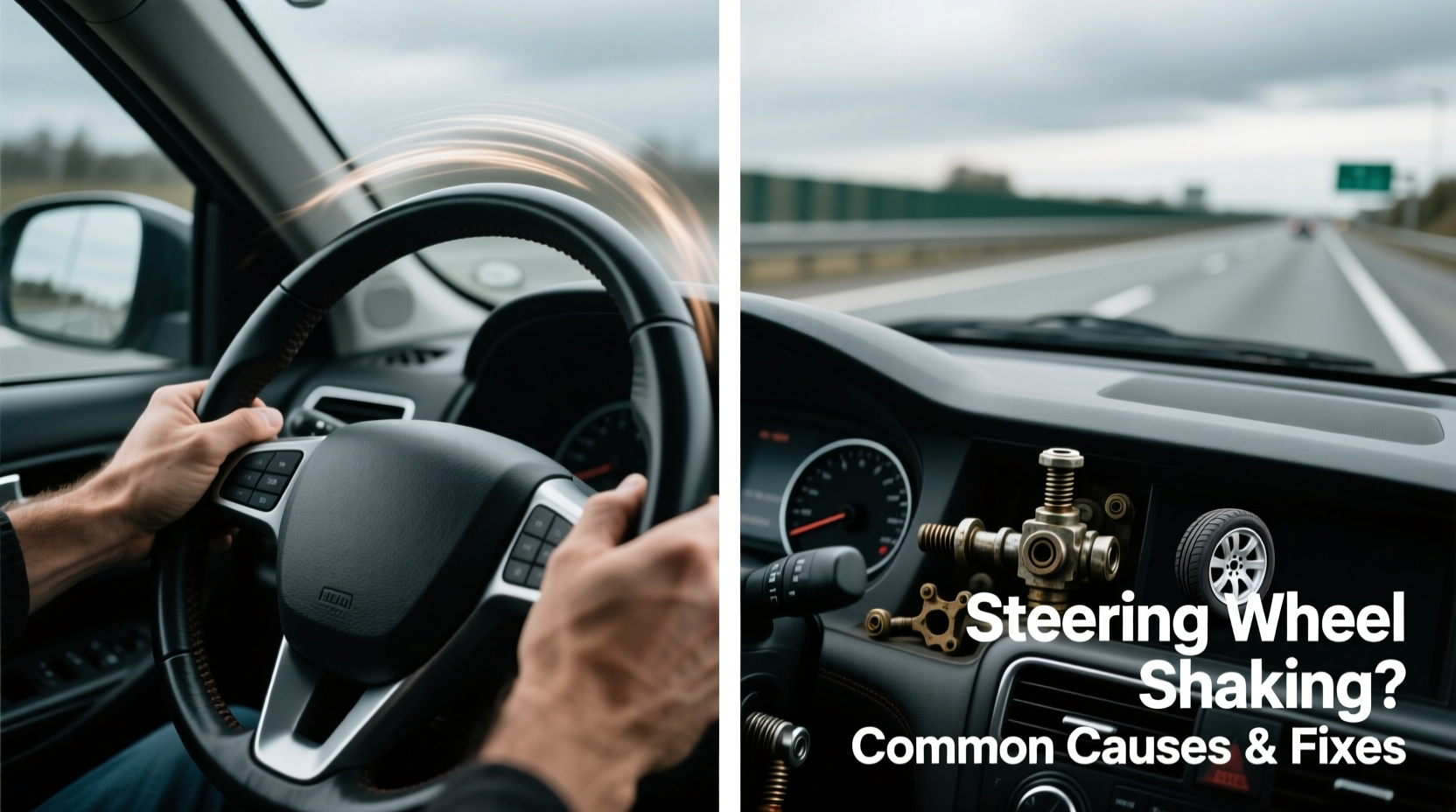
Steering wheel vibration typically stems from imbalances or misalignments in the front-end components of your car. The sensation may vary: some drivers notice shaking only at highway speeds, others feel it during braking, and some experience it even when idling. Each pattern points to different potential culprits.
The most frequent triggers include unbalanced tires, warped brake rotors, worn suspension parts, or alignment problems. Less commonly, engine mounts or drivetrain issues may transmit vibrations into the cabin. Diagnosing the exact cause requires attention to when and how the shaking occurs.
Common Causes of Steering Wheel Vibration
1. Unbalanced Tires
Tire imbalance is the leading cause of high-speed steering wheel shake. Over time, tires lose their even weight distribution due to wear, impacts, or poor rotation habits. This creates a rhythmic wobble that intensifies with speed, usually becoming noticeable around 55 mph.
Unbalanced tires don’t just cause discomfort—they accelerate tread wear, reduce fuel economy, and strain suspension components. A simple spin-balance at a reputable shop can correct this issue.
2. Warped Brake Rotors
If the steering wheel shakes primarily when braking, especially at higher speeds, warped brake rotors are likely to blame. Heat buildup during aggressive stops can distort the rotor surface, causing pulsation through the brake pedal and steering column.
This condition worsens over time. Driving with warped rotors reduces stopping power and wears down brake pads prematurely. Resurfacing or replacing the rotors resolves the problem.
3. Misaligned Wheels
Wheel alignment refers to the angles at which your tires meet the road. Hitting potholes, curbs, or driving on rough terrain can knock these settings out of spec. While misalignment doesn’t always cause immediate shaking, it contributes to uneven tire wear, which eventually leads to vibration.
Symptoms include pulling to one side, squealing tires, and feathered tread patterns. A professional alignment service adjusts camber, caster, and toe angles to factory specifications.
4. Worn Suspension Components
The suspension system absorbs road shocks and keeps tires in contact with the pavement. Key parts like control arms, ball joints, tie rods, and bushings degrade over time. When they wear out, they allow excessive movement in the steering linkage, resulting in looseness and vibration.
A clunking noise over bumps or wandering steering often accompanies worn suspension. These parts should be inspected annually or every 20,000 miles, especially on vehicles driven on rough roads.
5. Damaged or Bent Wheels
Striking a curb or pothole can bend a rim—even slightly. A bent wheel won’t roll smoothly, creating a cyclic shake that increases with speed. Alloy wheels are particularly prone to cracking or warping under impact.
Minor bends can sometimes be repaired, but severe damage requires replacement. Always inspect wheels during tire changes or after known impacts.
“Over 60% of steering vibrations we diagnose stem from tire balance or brake rotor issues. Many are easily fixed—but delay leads to bigger repairs.” — Mark Reynolds, ASE-Certified Master Technician
Step-by-Step Diagnostic Process
Follow this logical sequence to identify and resolve steering wheel shake:
- Observe the Conditions: Does the shake occur at cruising speed? Only when braking? At idle? Write down the circumstances.
- Inspect Tires Visually: Look for uneven tread wear, bulges, or embedded debris. Check inflation levels.
- Test Brakes: Apply brakes gently at highway speed. If pulsation occurs, suspect rotors.
- Lift the Vehicle: With the car on jack stands, check for play in wheels by grasping them at 3 and 9 o’clock and rocking back and forth.
- Examine Suspension: Look for cracked bushings, leaking shocks, or loose ball joints.
- Visit a Shop: Have tires balanced, alignment checked, and rotors measured for runout.
- Address Issues in Order: Start with cheapest fixes (tire balance) before moving to major components.
Do’s and Don’ts When Dealing With Steering Vibration
| Do’s | Don’ts |
|---|---|
| Rotate tires every 5,000–7,000 miles | Ignore early signs of vibration |
| Get an alignment after new tires or suspension work | Delay brake service if pulsation is felt |
| Inspect suspension components regularly | Assume all shaking is tire-related |
| Use OEM-specified torque when reinstalling wheels | Over-tighten lug nuts with an impact gun |
| Keep spare tire pressure checked | Drive long distances with known vibrations |
Real-World Example: Sarah’s Highway Shaking
Sarah, a delivery driver in Colorado, began noticing her steering wheel vibrate at 62 mph. The shake disappeared below 50 and above 70. She initially dismissed it, assuming it was road noise. After two months, the vibration worsened, and her front tires showed cupping wear.
She visited a local garage where a technician diagnosed severely unbalanced tires and slightly bent rims from repeated pothole impacts. One rim was replaced, the others were trued, and all four tires were rebalanced. The fix cost $180—far less than the $600+ she would have spent on premature tire replacement and potential suspension damage.
Sarah now schedules tire inspections every six months and avoids roadside potholes whenever possible.
When to Seek Professional Help
While some checks can be done at home, certain symptoms demand expert diagnosis:
- Visible wobble in the wheel when lifted
- Grinding or clicking noises during turns
- Vehicle pulls strongly to one side
- Steering feels loose or delayed
- Vibration persists after tire balancing
These signs suggest deeper issues such as failing wheel bearings, damaged CV joints, or structural frame damage. A qualified mechanic with proper diagnostic equipment can isolate the problem using vibration analysis tools and digital alignment systems.
Preventive Maintenance Checklist
Stay ahead of steering problems with this routine:
- ✅ Balance tires with every rotation
- ✅ Inspect brake pads and rotors annually
- ✅ Check wheel lug torque after new tire installation
- ✅ Perform alignment check after any front-end repair
- ✅ Replace worn suspension parts before they fail
- ✅ Avoid potholes and curbs when possible
- ✅ Monitor for changes in ride quality or handling
Frequently Asked Questions
Can low tire pressure cause steering wheel shake?
Yes. Underinflated tires can develop uneven contact patches, leading to instability and vibration. However, low pressure usually causes handling dullness rather than sharp shaking. Always maintain manufacturer-recommended PSI levels.
Is steering wheel vibration covered under warranty?
It depends. Manufacturer warranties often cover defects in wheels, brakes, or suspension within the first few years. Wear-and-tear items like tires and brake pads are typically excluded. Extended warranties may offer broader coverage—review your terms carefully.
Why does my steering wheel shake when I accelerate?
Shaking during acceleration—especially from a stop—may indicate a failing CV joint or driveshaft imbalance. Front-wheel-drive vehicles with torn CV boots often exhibit this symptom. Inspect for grease leaks on inner wheel areas.
Take Action Before It Gets Worse
Steering wheel shake isn’t something to live with. It’s your car’s way of communicating a problem—one that could affect your safety and wallet. Whether it’s a simple tire balance or a worn control arm, addressing the issue early prevents cascading damage. Use the insights and checklist provided to monitor your vehicle’s condition and act decisively.




 浙公网安备
33010002000092号
浙公网安备
33010002000092号 浙B2-20120091-4
Comments
No comments yet. Why don't you start the discussion?