
A steady, smooth drive is a hallmark of a well-maintained vehicle. When your steering wheel begins to shake, it’s more than just an annoyance—it’s a warning sign. The vibration can range from a subtle tremor at certain speeds to a violent wobble that makes handling difficult. Ignoring it risks safety, accelerates wear on critical components, and may lead to expensive repairs down the line. Understanding the most common causes and knowing how to respond can save time, money, and potentially prevent accidents.
Why Does Your Steering Wheel Shake?
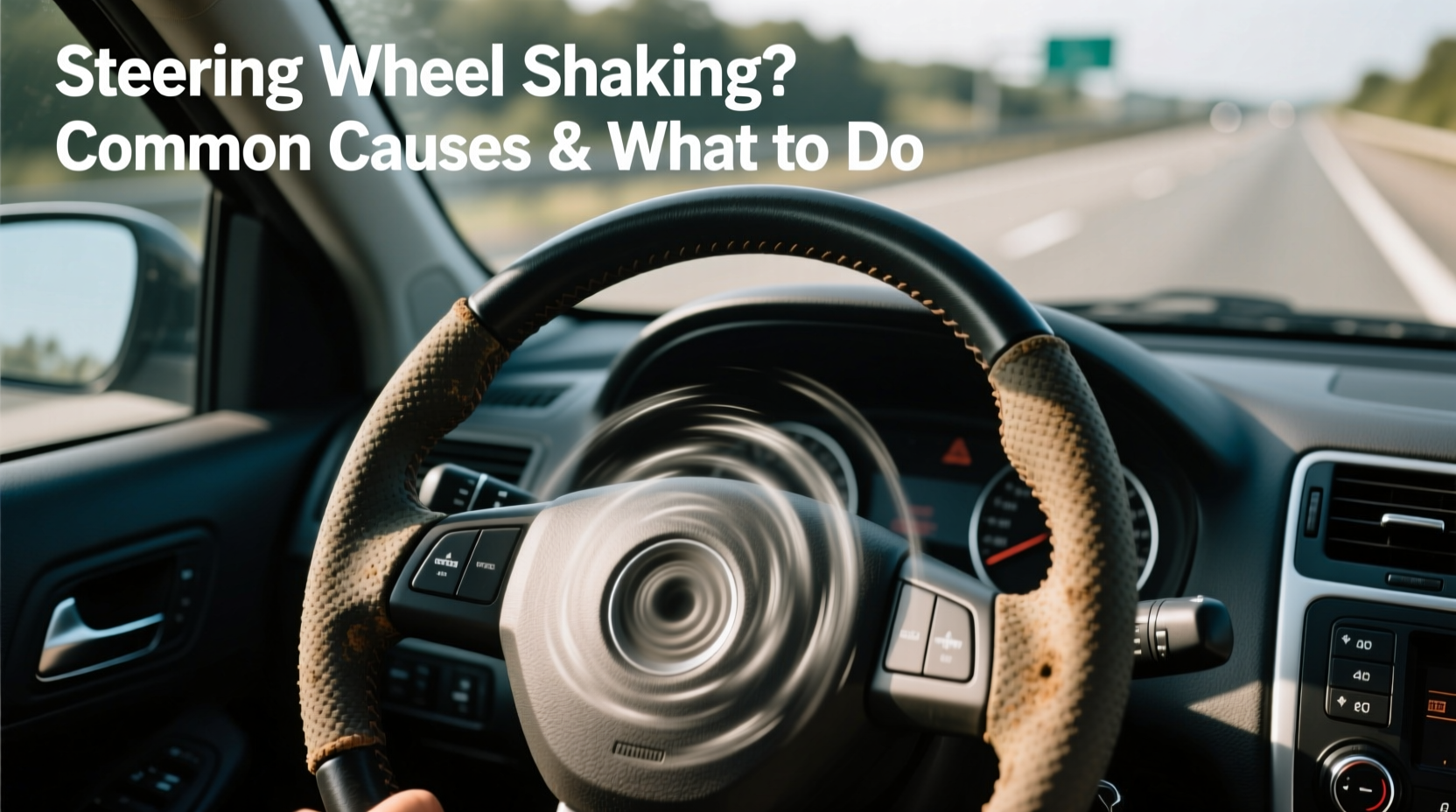
Steering wheel vibration typically occurs due to imbalances or mechanical issues in the front-end components of your vehicle. The timing and conditions under which the shaking happens—such as during acceleration, braking, or at specific speeds—can help pinpoint the source. Most cases stem from problems in the tires, wheels, suspension, or braking system.
For example, if the shaking intensifies around 55–65 mph and lessens when slowing down, it's often tied to tire imbalance or misalignment. If the vibration only appears when braking, warped brake rotors are likely the culprit. Each symptom tells a story about what’s happening beneath the surface.
Top 5 Causes of Steering Wheel Vibration
- Unbalanced Tires: Over time, tires lose their even weight distribution due to uneven wear, curb impacts, or loss of wheel weights. This leads to rhythmic shaking, especially at highway speeds.
- Warped Brake Rotors: Heat buildup during hard braking can warp the metal discs behind the wheels. When you press the brake pedal, the caliper presses against this uneven surface, causing pulsation through the steering wheel.
- Alignment Issues: Misaligned wheels don’t roll parallel to each other or the road. This not only causes shaking but also rapid tire wear and poor handling.
- Suspension Component Wear: Worn ball joints, control arms, tie rods, or bushings allow excess movement in the front end, translating into instability and vibration.
- Bent Wheels or Damaged Tires: Hitting potholes or curbs can bend rims or create internal tire damage like separated belts, leading to irregular contact with the road.
Real Example: The Highway Commuter’s Dilemma
Mark, a daily commuter in Chicago, noticed his steering wheel began vibrating slightly at 62 mph. It disappeared below 50 and above 70. He ignored it for three weeks until the shake worsened. A mechanic found two missing wheel weights and significant imbalance in the front tires. After rebalancing, the vibration vanished. Mark saved himself potential tire damage and unsafe handling by acting early—though he admitted he waited too long.
Step-by-Step Guide to Diagnosing and Fixing the Problem
Follow this logical sequence to identify and resolve steering wheel shake efficiently:
- Observe the Pattern: Note whether shaking happens during acceleration, braking, or cruising. Is it speed-dependent? Does it get worse over time?
- Inspect Tires Visually: Look for uneven tread wear, bulges, cracks, or embedded debris. Check air pressure with a gauge—underinflation can mimic imbalance symptoms.
- Check for Loose Components: With the car safely jacked up, grasp the tire at 3 and 9 o’clock and rock side-to-side. Excessive play suggests worn tie rods. Then check at 12 and 6 o’clock; movement here may indicate bad ball joints or wheel bearings.
- Test Brakes: Drive at moderate speed and gently apply brakes. If the steering shakes only then, suspect warped rotors. You might also feel a pulsing in the brake pedal.
- Visit a Trusted Mechanic: If you're unsure or lack tools, have a professional perform a full inspection including balance, alignment, and suspension evaluation.
“Over 60% of steering vibrations brought into our shop are related to tire balance or alignment. Many drivers wait too long, leading to avoidable tire replacement.” — Carlos Mendez, ASE-Certified Master Technician
Tips and Best Practices for Prevention
Maintaining smooth steering isn't just about fixing problems—it's about preventing them. Regular maintenance extends the life of your tires, suspension, and braking systems.
- Have your tires balanced every 6,000–7,000 miles or whenever new tires are installed.
- Rotate your tires every 5,000–7,500 miles to promote even wear.
- Get a wheel alignment at least once a year or after hitting major potholes.
- Avoid aggressive driving habits like hard cornering or sudden stops, which increase stress on components.
- Inspect suspension parts during oil changes or routine service.
Do’s and Don’ts: Quick Reference Table
| Do’s | Don’ts |
|---|---|
| ✅ Get tires balanced regularly | ❌ Ignore early signs of vibration |
| ✅ Rotate tires on schedule | ❌ Delay brake inspections when pulsing occurs |
| ✅ Inspect suspension annually | ❌ Use mismatched tires or rims |
| ✅ Keep proper tire inflation | ❌ Attempt complex repairs without expertise |
| ✅ Address alignment after impacts | ❌ Mix different tire brands or tread patterns on front axle |
Frequently Asked Questions
Can unbalanced tires cause long-term damage?
Yes. Persistent imbalance leads to uneven tire wear, reduced fuel efficiency, increased strain on suspension components, and premature failure of wheel bearings and shocks. Over time, this can result in costly repairs beyond simple balancing.
Is it safe to drive with a shaking steering wheel?
Short-term driving may be safe depending on severity, but prolonged use increases risk. Vibrations can mask more serious mechanical failures, reduce driver control, and compromise braking performance. If the shake is strong or worsening, stop driving and seek inspection.
How much does it cost to fix steering wheel vibration?
Costs vary by cause: tire balancing averages $20–$50, alignment $75–$120, rotor resurfacing $50–$100 per axle, and full suspension repair can exceed $500. Early diagnosis keeps expenses low.
Action Plan Checklist
Use this checklist to systematically address steering wheel vibration:
- ☐ Document when and how the shaking occurs (speed, braking, etc.)
- ☐ Visually inspect tires for damage, wear, and correct pressure
- ☐ Listen for unusual noises (clunking, squealing) during turns or braking
- ☐ Test for looseness in front-end components (with vehicle lifted safely)
- ☐ Schedule professional tire balancing and alignment if needed
- ☐ Have brakes inspected if vibration occurs during deceleration
- ☐ Replace or repair damaged wheels or tires as recommended
- ☐ Follow up with a test drive to confirm resolution
Conclusion: Take Control Before It Takes You
Steering wheel shaking is not something to dismiss as “just one of those car things.” It’s a direct signal from your vehicle that something needs attention. Whether it’s a minor imbalance or a worn suspension part, addressing the issue promptly ensures safer handling, longer component life, and a more comfortable ride. Mechanics see thousands of cases where small fixes prevented major breakdowns—all because the driver paid attention early enough.




 浙公网安备
33010002000092号
浙公网安备
33010002000092号 浙B2-20120091-4
Comments
No comments yet. Why don't you start the discussion?