
Dog skirts have become a popular fashion accessory for pet owners who enjoy dressing up their furry companions for special occasions, photo shoots, or seasonal events. While they add charm and flair, an ill-fitting skirt can cause discomfort, restrict movement, or even lead to skin irritation. Ensuring a proper fit starts with precise measurements. Unlike human clothing, dog garments must accommodate unique body shapes, active lifestyles, and sensitive areas like the abdomen and hind legs. This comprehensive guide walks you through each step of measuring your dog accurately, avoiding common mistakes, and selecting or customizing a skirt that fits perfectly.
Why Accurate Measurements Matter
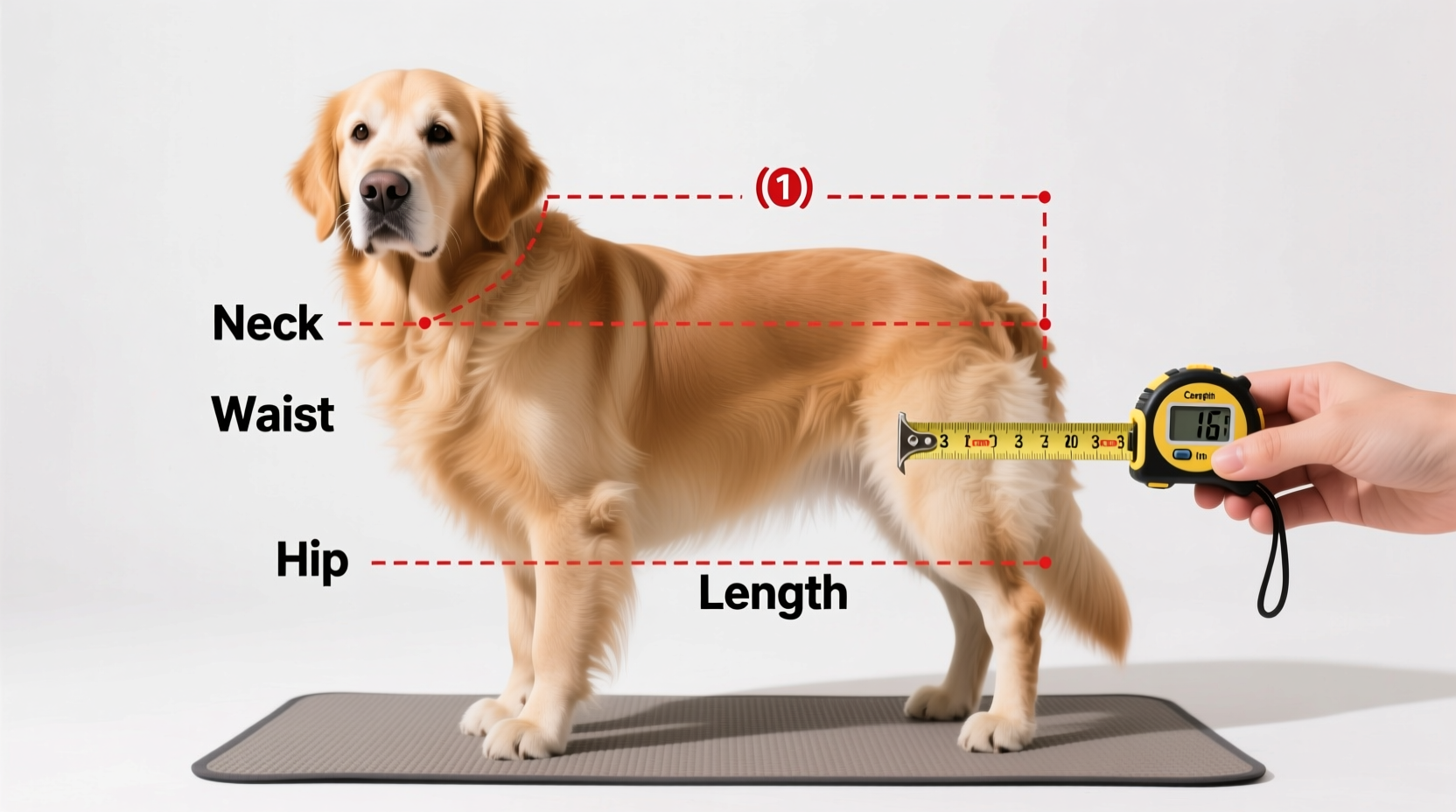
A well-fitted dog skirt should sit securely at the waist without digging into the skin or slipping down during activity. Too tight, and it may chafe or limit mobility; too loose, and it could fall off or tangle around the legs. Proper measurement ensures both comfort and safety while enhancing your dog’s appearance. Breeds with broad chests, narrow waists, or longer torsos—such as Greyhounds, Dachshunds, or Pomeranians—require extra attention to avoid sizing errors. Even small discrepancies in measurement can result in poor alignment or restricted motion, especially during play or walking.
“Just like humans, dogs come in all shapes and sizes. One-size-fits-all rarely works. Tailored measurements are key to both comfort and style.” — Dr. Lena Torres, Veterinary Behaviorist & Pet Fashion Consultant
What You’ll Need Before You Begin
Before taking any measurements, gather the right tools and create a calm environment. Your dog should be relaxed and standing naturally on a flat surface. Avoid measuring right after meals or during high-energy moments. Here’s what you’ll need:
- A soft, flexible tape measure (sewing or tailor’s tape)
- A non-toxic marker or piece of tape (optional, for marking reference points)
- A helper (especially if your dog is wiggly)
- A notebook or phone to record measurements
- Treats for positive reinforcement
Step-by-Step Guide to Measuring Your Dog
Follow these steps carefully to get accurate dimensions for your dog’s skirt. Each measurement plays a role in ensuring the final garment fits correctly and allows freedom of movement.
- Measure the Waist (Natural Waistline): Locate the natural waist just behind the ribcage, where the chest meets the abdomen. This is typically the narrowest part of the torso. Wrap the tape snugly but not tightly around this area, parallel to the floor. The tape should slide slightly under two fingers when properly positioned. This is the most critical measurement for skirt fit.
- Check the Hip Width: Measure around the widest part of the hips, usually near the top of the hind legs. This ensures the skirt won’t bind or rub when your dog moves. For breeds with pronounced hips or muscular thighs, this step is essential.
- Determine Skirt Length: Decide how long you want the skirt to be. Measure from the waist down along the spine to the desired hemline—typically mid-thigh or just above the tail base. Avoid letting the skirt extend past the hocks (back ankle joints) to prevent tripping.
- Assess Girth Clearance: Ensure there’s enough room around the belly and hindquarters for comfortable sitting, running, and squatting. The skirt should allow full range of motion without pulling or riding up.
- Note the Back Length (Optional but Helpful): From the base of the neck (where the collar sits) to the start of the tail, this helps determine overall placement and proportion, especially for attached waistbands or adjustable straps.
Common Measurement Mistakes to Avoid
Even experienced pet owners can make simple errors that compromise fit. Below is a comparison of best practices versus frequent missteps.
| Do’s | Don’ts |
|---|---|
| Use a soft tape measure held parallel to the ground | Use a stiff ruler or metal tape that doesn’t conform |
| Measure when the dog is standing naturally | Measure while sitting, lying down, or stretching |
| Allow space for two fingers under the tape | Pull the tape too tight, compressing fur and skin |
| Account for thick coats by measuring close to the skin | Measure over puffed-up fur, leading to oversized results |
| Re-measure after grooming or seasonal shedding | Assume last year’s size still applies |
Real-Life Example: Measuring Bella the Poodle
Bella, a standard poodle, was getting a floral skirt for her owner’s garden party. Her owner initially used a store-bought size chart based on weight alone and ordered a medium. When it arrived, the waistband was too tight, pinching her skin behind the ribs. After consulting a pet tailor, she re-measured Bella using the correct technique: placing the tape just behind the ribcage, ensuring two fingers could fit underneath. She discovered Bella’s waist was actually 17 inches—larger than the medium allowed. By ordering a large with an adjustable band, the new skirt sat comfortably, stayed in place during play, and didn’t restrict her gait. The difference? Accurate measurement made all the difference.
Fitting Checklist: Before You Buy or Sew
Use this checklist to ensure your dog’s skirt will fit well before finalizing your purchase or starting a DIY project:
- ✅ Waist measurement taken behind the ribcage, not around the chest
- ✅ Hip width considered for breeds with strong hindquarters
- ✅ Length chosen to avoid interference with leg movement
- ✅ Fabric allows stretch or includes elastic for comfort
- ✅ Closure type (velcro, snap, tie) suits your dog’s activity level
- ✅ Skirt tested for short walks and sitting before extended wear
Frequently Asked Questions
Can I use human clothing sizes to estimate my dog’s skirt size?
No. Human sizing standards don’t translate to canine proportions. Dogs have different waist-to-hip ratios, back lengths, and posture. Always use breed-specific or measurement-based sizing.
How often should I re-measure my dog?
Re-measure every 3–6 months, especially for puppies, senior dogs, or pets experiencing weight changes. Seasonal coat thickness can also affect fit—consider this after grooming.
What if my dog has an unusual body shape?
For dogs with atypical builds—like barrel-chested Bulldogs or slender Whippets—custom-made skirts are ideal. Many online retailers offer made-to-order options using your exact measurements.
Final Tips for Long-Term Comfort and Style
Once you’ve measured your dog correctly, maintain the fit over time. Wash skirts according to fabric care instructions to prevent shrinkage. Inspect seams and closures regularly for wear. Introduce the skirt gradually—let your dog wear it indoors for short periods first. Monitor for signs of discomfort such as excessive licking, scratching, or reluctance to move. Remember, fashion should never override function. A happy dog in a well-fitting skirt is not only adorable but confident and free to be themselves.
“Dressing pets should enhance bonding, not create stress. When fit is right, the experience becomes joyful for both dog and owner.” — Marcus Lin, Canine Wellness Advocate
Conclusion
Measuring your dog for a skirt might seem simple, but precision makes all the difference between a cute accessory and a practical, comfortable garment. By following this guide—locating the natural waist, checking hip clearance, choosing appropriate length, and avoiding common pitfalls—you ensure your dog looks great without sacrificing well-being. Whether you're preparing for a birthday party, holiday photos, or just adding fun to everyday walks, accurate measurement is the foundation of perfect fit. Take the time today to measure your dog with care. Your furry friend deserves to strut in comfort and confidence.




 浙公网安备
33010002000092号
浙公网安备
33010002000092号 浙B2-20120091-4
Comments
No comments yet. Why don't you start the discussion?