
Walking your dog should be a safe and enjoyable experience for both you and your pet. A well-fitted vest-style dog harness offers superior control, reduces strain on the neck, and is especially beneficial for dogs prone to pulling or with respiratory conditions. However, even the best harness is ineffective if the leash isn’t attached correctly. An improperly secured leash can lead to slips, escapes, or discomfort. This comprehensive guide walks you through the correct method to attach a leash to a vest-style harness, ensuring your dog stays secure, comfortable, and under control.
Understanding Vest-Style Harnesses
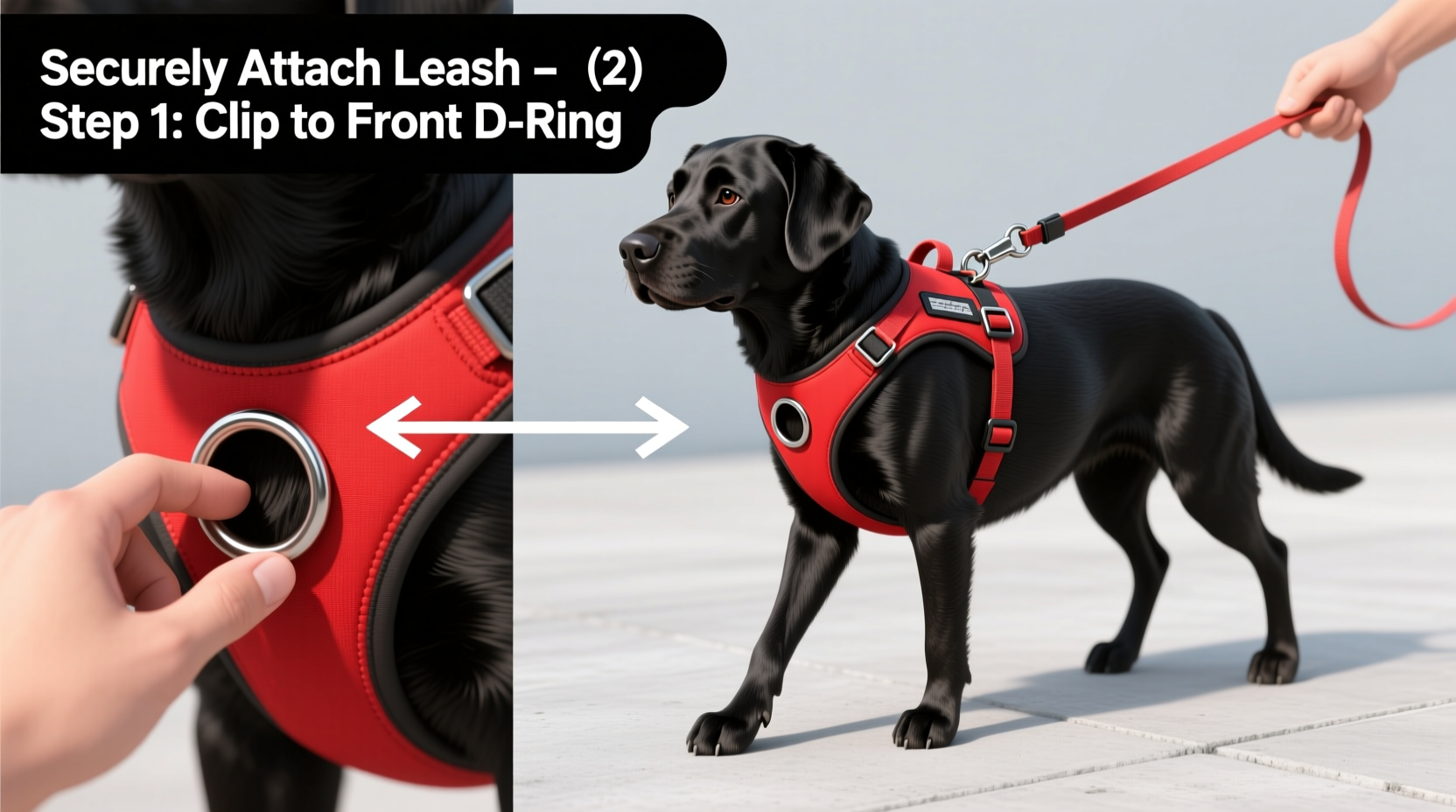
Vest-style harnesses differ from basic Y-shaped or H-harnesses in that they wrap more fully around the dog’s torso, distributing pressure evenly across the chest and back. They often feature padding, adjustable straps, and multiple attachment points. These harnesses are ideal for larger breeds, strong pullers, or dogs undergoing training. Unlike collar-leash setups, a properly used vest harness minimizes tracheal stress and enhances communication between handler and dog.
Most modern vest harnesses include at least one dedicated metal D-ring for leash attachment—typically located either on the back (between the shoulder blades) or on the front (near the chest). Some models offer dual rings for versatility. Knowing where and how to connect your leash depends on your walking goals: rear attachment encourages forward motion, while front attachment aids in discouraging pulling.
Why Proper Leash Attachment Matters
A loose or incorrectly fastened leash compromises safety. If the snap fails or the ring shifts under tension, your dog could escape—potentially leading to dangerous situations. Additionally, misaligned attachments may cause rubbing, chafing, or restricted movement. The goal is not just to clip the leash on, but to ensure it remains firmly connected throughout the walk, regardless of activity level.
Step-by-Step Guide to Secure Leash Attachment
- Ensure the harness is properly fitted. Before attaching the leash, confirm the harness fits snugly but comfortably. You should be able to slide two fingers beneath each strap. Loose harnesses shift during movement, which can displace the D-ring and compromise leash stability.
- Locate the designated leash attachment point. Most vest harnesses have a reinforced metal D-ring sewn into the fabric. This is usually centered along the spine at the top rear of the harness. Some models also feature a front D-ring near the sternum. Refer to the manufacturer’s instructions if unsure.
- Check the leash connector. Use a high-quality leash with a sturdy spring-loaded snap hook. Avoid worn clips or those with sluggish mechanisms. The snap should close audibly and resist opening when tugged.
- Align the leash snap with the D-ring. Hold the D-ring steady with one hand. With the other, open the leash snap and slide it fully over the D-ring. Make sure the snap passes completely through the ring, not just alongside it.
- Release and test the connection. Let go of the snap and give it a firm tug downward and sideways. It should remain locked. If it pops open or feels unstable, reattach it. Never assume the click sound alone guarantees security—verify manually.
- Double-check positioning. Once attached, ensure the leash hangs straight down without twisting. Twisted connections increase friction and wear on both the snap and ring.
Common Mistakes to Avoid
- Using a leash with a damaged or weak snap mechanism.
- Attaching the leash to non-reinforced loops (e.g., handle grips or decorative rings).
- Failing to verify fit before each use—dogs can gain or lose weight, altering harness tightness.
- Connecting the leash to both front and rear rings simultaneously unless using a dual-control system designed for it.
| Mistake | Why It’s Risky | Solution |
|---|---|---|
| Using a frayed leash snap | May fail under sudden pull | Replace leash immediately |
| Attaching to fabric loop instead of metal D-ring | Fabric can tear; no structural support | Always use metal-reinforced ring |
| Not testing the connection | False sense of security | Tug test after every attachment |
Choosing the Right Leash for Your Harness
The leash you pair with your vest harness plays a critical role in overall safety. Not all leashes are created equal. For optimal performance, choose a leash made from durable nylon or biothane with a heavy-duty snap hook rated for your dog’s size and strength.
For dogs that pull, consider a 4–6 foot standard leash for better control. Retractable leashes are generally discouraged with front-clip harnesses due to unpredictable tension and difficulty managing slack. If you prefer longer reach, opt for a hands-free waist leash designed to work with harness systems.
“Proper equipment pairing is half the battle in dog handling. A secure leash-to-harness connection prevents accidents and builds trust.” — Dr. Laura Bennett, Certified Professional Dog Trainer (CPDT-KA)
Real-World Scenario: Preventing an Escape
Consider the case of Max, a 55-pound Australian Shepherd who loved squirrels. His owner used a padded vest harness but routinely clipped the leash to a small side loop meant only for identification tags. During a neighborhood walk, Max lunged at a squirrel, and the fabric loop tore free. He ran into traffic before being safely recovered.
After consulting a trainer, Max’s owner learned the correct attachment point was the reinforced back D-ring. They switched to a stronger leash and began performing a quick pre-walk check: harness fit, D-ring integrity, and snap security. Since then, Max has enjoyed hundreds of walks without incident. This example underscores how a simple procedural error can lead to serious consequences—and how easily it can be prevented.
FAQ: Common Questions About Leash Attachment
Can I attach the leash to the front and back rings at the same time?
You can—but only if using a specialized dual-clip leash or a splitter leash designed for this purpose. Connecting two separate leashes or improvising with carabiners increases tangling risk and uneven force distribution. Dual-point attachment helps redirect pulling behavior but requires proper equipment and gradual introduction.
My dog’s harness has two metal rings—one in front, one in back. Which should I use?
Use the back ring for general walking and training where forward motion is desired. Use the front ring if your dog pulls excessively; it causes the dog to turn toward you when they surge ahead. Many trainers recommend starting with the back clip and transitioning to front or dual attachment as needed.
How often should I replace the leash or harness?
Inspect both monthly. Replace the leash if the snap is slow to close, the clasp shows cracks, or the material is frayed. Replace the harness if stitching near the D-ring is splitting, padding is compressed, or straps no longer adjust securely. As a rule of thumb, quality gear lasts 1–3 years with regular use.
Final Checklist for Secure Leash Connection
- ✅ Harness fits snugly with two fingers’ space under straps
- ✅ D-ring is metal, centered, and securely stitched
- ✅ Leash snap is clean, functional, and closes with a click
- ✅ Snap is fully threaded through the D-ring
- ✅ Connection tested with firm tug in multiple directions
- ✅ Leash hangs straight without twist
- ✅ No visible wear on leash or harness
Conclusion
Attaching a leash to a vest-style dog harness might seem straightforward, but doing it correctly ensures your dog’s safety, comfort, and responsiveness during every outing. By understanding your harness design, selecting compatible gear, and following a consistent attachment routine, you eliminate preventable risks. Whether you're navigating city sidewalks or hiking forest trails, a secure connection gives you peace of mind and strengthens your bond with your dog.




 浙公网安备
33010002000092号
浙公网安备
33010002000092号 浙B2-20120091-4
Comments
No comments yet. Why don't you start the discussion?