
A well-packed backpack can replace a traditional suitcase for weekend getaways, business trips, or even extended adventures abroad. With thoughtful preparation and strategic organization, your everyday backpack transforms into a fully functional travel bag—lightweight, efficient, and ready for any destination. The key lies not in upgrading gear, but in optimizing what you already own. This guide walks through the process of converting a standard backpack into a capable travel companion using practical methods anyone can follow.
Assess Your Backpack’s Suitability
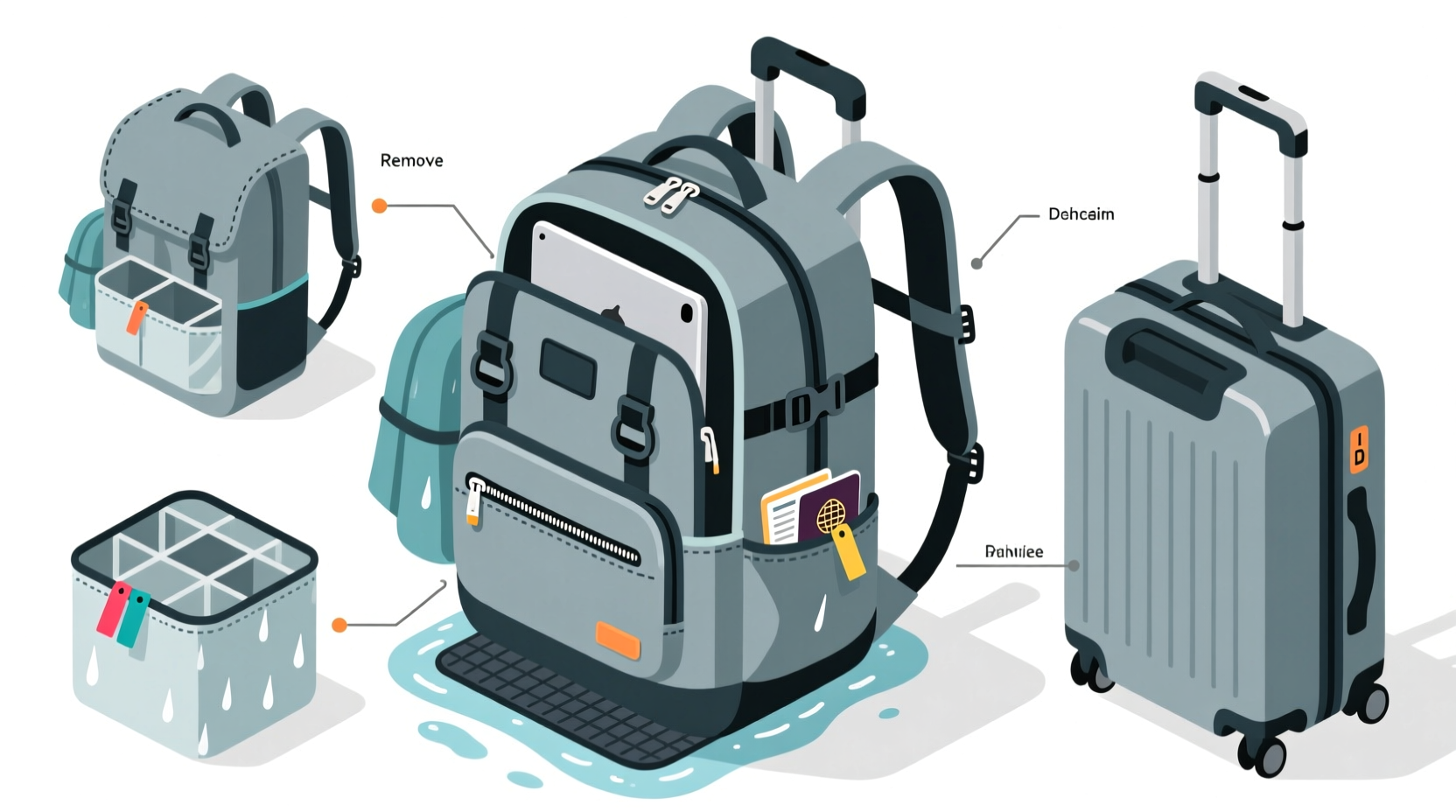
Not every backpack is built for travel, but many come closer than you think. Before diving into packing strategies, evaluate whether your current backpack can handle the demands of life on the road. Look for structural integrity, sufficient volume, and comfort features that support longer wear.
| Feature | Ideal For Travel | May Need Improvement |
|---|---|---|
| Volume | 30–50 liters | Under 25 liters |
| Back Support | Padded back panel & sternum strap | No lumbar padding |
| Access Points | Front zipper, side pockets, clamshell opening | Top-only loading |
| Durability | Water-resistant fabric, reinforced stitching | Frayed edges, thin material |
If your backpack falls short in one area—say, limited access—compensate with smart organization. A smaller pack works fine for minimalist trips under five days. Larger models suit urban explorers or digital nomads needing tech storage. The goal isn’t perfection, but adaptability.
Step-by-Step Conversion Process
Turning a backpack into a travel-ready system involves more than just stuffing clothes inside. It requires deliberate planning, weight distribution, and protection of essential items. Follow this timeline to ensure efficiency and comfort during transit.
- Empty and Clean: Remove all contents. Wipe down interior surfaces with a damp cloth and mild soap. Let air dry completely.
- Add Protective Layers: Line the bottom with a lightweight foam pad or folded towel to cushion electronics and prevent sagging.
- Install Organization Tools: Insert packing cubes, ziplock bags, or small pouches to separate clothing, toiletries, and electronics.
- Reinforce Weak Points: Apply waterproof tape to worn zippers or seams. Attach external clips for hanging laundry or attaching souvenirs.
- Test Weight Distribution: Load typical items and wear for 20 minutes. Adjust straps and redistribute weight until balanced.
This process takes less than an hour and dramatically improves usability. Once complete, your backpack functions like a purpose-built travel bag—without the extra cost.
Smart Packing Strategy for Maximum Efficiency
Efficient packing starts with intention. Every item must serve a function, be easily accessible, and contribute to balanced weight. Begin by categorizing essentials into zones: core clothing, hygiene, tech, documents, and emergency supplies.
- Bottom Zone (Heaviest Items): Shoes, books, or bulkier garments rolled tightly.
- Middle Zone (Daily Essentials): Folded shirts, pants, underwear in color-coded packing cubes.
- Top Zone (Frequently Used): Jacket, snacks, passport wallet, phone charger.
- External Pockets (Immediate Access): Water bottle, sunglasses, hand sanitizer, tickets.
Rolling clothes saves space and reduces wrinkles. Place socks inside shoes to maintain shape and free up cube space. Use compression sacks for bulky items like sweaters or sleepwear.
“Travel light doesn’t mean sacrificing comfort—it means choosing versatility.” — Lena Torres, Minimalist Travel Advocate
Real-World Example: Urban Weekend Trip
Sophie, a freelance designer based in Portland, regularly travels to Seattle for client meetings. She owns a 40-liter hiking backpack originally purchased for outdoor trails. Instead of buying a new carry-on duffel, she adapted her existing pack using the steps above.
She added two medium packing cubes for work attire and casual wear, a slim toiletry bag with TSA-compliant containers, and a padded laptop sleeve secured with Velcro. By placing her 13” laptop in the back-facing compartment, she ensured security at airport checkpoints. During the trip, she used the front mesh pocket for her coffee cup and transit card.
The result? A seamless two-day journey with no baggage fees, easy mobility on foot, and quick access to everything she needed—all from a repurposed backpack.
Essential Travel Checklist
Use this checklist when converting your backpack for travel. Customize based on trip length and destination climate.
- Clothing (3–5 Outfits)
-
– Lightweight layers
– One formal option
– Underwear & socks (1 per day + 2 extras)
– Sleepwear - Toiletries
-
– Toothbrush & travel toothpaste
– Mini deodorant, shampoo bar
– Prescription meds
– First aid kit (band-aids, pain relievers) - Electronics
-
– Phone & charger
– Universal adapter
– Power bank
– Headphones - Documents & Money
-
– ID/Passport
– Printed itineraries
– Credit card + $50 cash
– Emergency contact list - Extras
-
– Reusable water bottle
– Compact umbrella
– Eye mask & earplugs
– Snacks (nuts, granola bars)
Common Mistakes to Avoid
Even experienced travelers fall into traps that undermine backpack functionality. Awareness prevents poor habits from derailing your journey.
- Overpacking “just in case” items: Each extra shirt adds weight and reduces flexibility.
- Ignoring weight balance: Heavy items too high cause neck strain; too low and the bag pulls backward.
- Leaving valuables unsecured: Always keep passports and cards in inner pockets against your back.
- Using non-water-resistant packs in rain: Invest in a lightweight rain cover or line the interior with a trash compactor bag.
One overlooked issue is cable management. Loose cords tangle and damage ports. Wrap them around a credit card or use labeled twist ties for instant identification.
Frequently Asked Questions
Can I use my school backpack as a travel bag?
Yes, provided it meets basic durability standards and offers enough space. Add packing cubes and a protective layer for better performance. Avoid overloading beyond 20% of your body weight.
How do I prevent my clothes from wrinkling?
Roll garments instead of folding. Place stiffer items like jeans at the bottom. Use tissue paper between delicate fabrics. Wear your bulkiest outfit during transit to save space.
Is it safe to carry electronics in a converted backpack?
Only if they’re properly protected. Use a padded sleeve and position devices close to your back where movement is minimal. Never place laptops in outer pockets exposed to drops or moisture.
Final Thoughts and Next Steps
Converting a backpack into a reliable travel bag isn't about having the latest gear—it's about intelligent design and consistent practice. Whether you're hopping on a red-eye flight or boarding a night train across Europe, a thoughtfully packed backpack gives you freedom, agility, and peace of mind.
Start today: pull out your current backpack, assess its strengths, and apply one improvement from this guide. Maybe it’s installing a packing cube, reinforcing a seam, or simply cleaning out old receipts. Small actions compound into major gains in travel efficiency.




 浙公网安备
33010002000092号
浙公网安备
33010002000092号 浙B2-20120091-4
Comments
No comments yet. Why don't you start the discussion?