
Creating a Facebook account is one of the simplest ways to connect with friends, family, and communities around the world. However, many users rush through the setup process without considering privacy or security—leaving their personal information vulnerable. With over 2.9 billion monthly active users, Facebook remains a prime target for phishing, scams, and data misuse. This comprehensive guide walks you through every step of creating a secure Facebook account from scratch, using best practices that protect your identity and digital footprint.
Why Security Matters from Day One
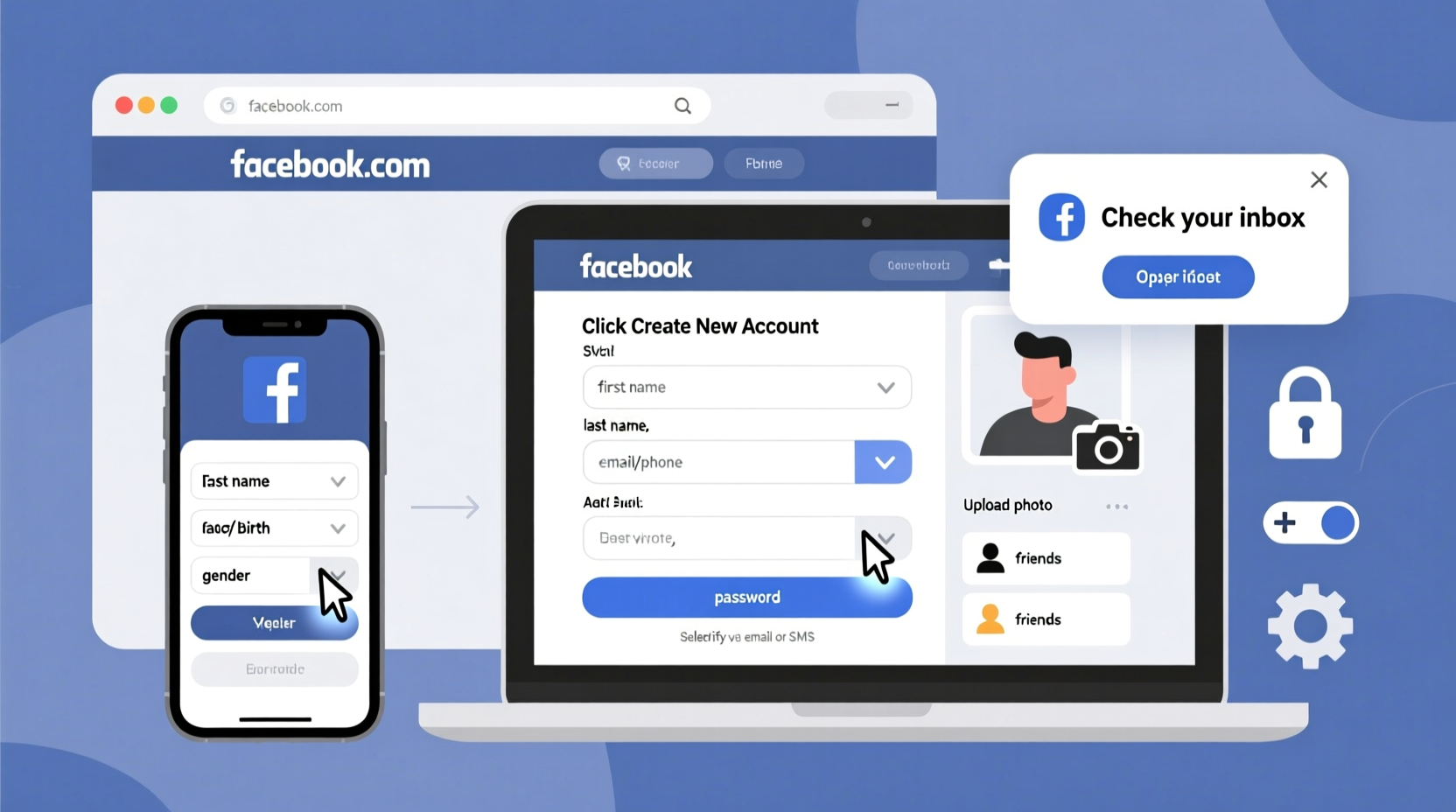
Most people assume that setting up a social media account is harmless. But the moment you sign up, you begin sharing data—your name, email, phone number, birthdate, and more. These details can be exploited if not handled carefully. A weak password, an unverified email, or public profile settings can expose you to identity theft, spam, or even targeted scams.
Facebook collects metadata about your behavior, connections, and interests. While this powers personalized experiences, it also means your digital habits are being tracked. Taking control early ensures you benefit from connectivity without sacrificing safety.
“Over 70% of data breaches on social platforms start with poor initial setup—like reusing passwords or skipping two-factor authentication.” — Dr. Lena Patel, Cybersecurity Analyst at Digital Trust Labs
Step-by-Step Guide to Creating Your Account
- Visit the Official Website: Open your browser and go to facebook.com. Avoid third-party links or apps that claim to speed up registration—they may be phishing sites.
- Fill in Your Details: On the homepage, enter your first name, last name, mobile number or email address, date of birth, and a strong password. Use real information only where necessary; consider using a secondary email instead of your primary one.
- Select Sign Up: Click the blue “Sign Up” button. Facebook will send a confirmation code via SMS or email, depending on what you provided.
- Verify Your Identity: Enter the 6-digit code sent to your phone or inbox. This step confirms you’re not a bot and helps secure your account against unauthorized access later.
- Add a Profile Picture (Optional): You can skip this during setup. If you choose to upload, use a clear photo—but avoid sensitive images like government IDs or full-body shots that could be misused.
- Find Friends (Skip for Now): Facebook will prompt you to import contacts. Decline this initially. You can adjust friend requests manually later.
- Complete Setup: Once verified, you’ll land on your News Feed. Take time now to review privacy and security settings before posting anything.
Essential Security Checklist After Registration
- ✅ Enable Two-Factor Authentication (2FA) under Settings > Security and Login
- ✅ Use a unique, complex password (e.g., mix uppercase, symbols, numbers)
- ✅ Review and limit past posts’ visibility using the Activity Log
- ✅ Disable “Search Engine Visibility” so your profile doesn’t appear in Google results
- ✅ Remove location permissions from the mobile app unless absolutely needed
- ✅ Set future posts to “Friends Only” or custom audiences
- ✅ Regularly check active sessions and log out unfamiliar devices
Privacy Settings: What Most Beginners Get Wrong
By default, Facebook sets many features to public or semi-public. For example, your birthday might show the full date including year, which scammers use for identity verification. Your email and phone number may also be visible to anyone unless changed.
| Setting | Recommended Option | Avoid |
|---|---|---|
| Profile Visibility | Friends | Public |
| Birthday Display | Show month/day only | Show full date with year |
| Contact Info (Email/Phone) | Only Me | Public or Friends |
| Tagging Review | On – Approve tags before they appear | Off |
| Search Engine Linking | Disabled | Enabled |
Real Example: How One User Got Hacked Within Hours
Sophie, a college student in Portland, created her first Facebook account using her personal email, her real birthdate, and a simple password: “Sophie123”. She accepted all default settings and posted a photo tagging her dorm room number. Within six hours, she received a message from someone claiming to be a campus security officer asking for verification. When she replied, the scammer used her public info to impersonate her and sent fraudulent messages to her new “friends.”
After reporting the incident, Sophie reset her password, enabled two-factor authentication, and adjusted her privacy settings. She learned the hard way that even new accounts attract attention—and protection starts at signup.
Common Mistakes to Avoid
- Using the same password across platforms: If another site leaks your credentials, attackers will try them on Facebook.
- Allowing contact imports immediately: This gives Facebook broad access to your address book and may notify people you don’t want to connect with.
- Sharing too much in the About section: Pet names, high school mascots, and mother’s maiden name are often used as security questions elsewhere.
- Skipping device monitoring: Always check “Where You're Logged In” monthly to spot suspicious logins.
Frequently Asked Questions
Can I create a Facebook account without a phone number?
Yes, you can use an email address instead. During registration, enter your email and avoid providing a mobile number unless you want faster recovery options or plan to use Messenger regularly.
Is it safe to use Facebook on public computers?
No. Public computers may have keyloggers or session-saving risks. If you must log in, always use private browsing mode and select “Log Out” explicitly—never just close the tab.
What should I do if my account gets locked after creation?
This sometimes happens if Facebook detects unusual activity. Follow the recovery steps, verify your ID if prompted, and avoid using VPNs or proxy servers during registration, as they trigger automated flags.
Final Tips for Long-Term Safety
Your Facebook account isn’t just a profile—it’s a long-term digital asset. As you add photos, messages, groups, and events, your data footprint grows. Revisit your security and privacy settings every few months. Consider using a password manager to generate and store strong credentials. Turn on login alerts so you’re notified of unrecognized access attempts.
If you manage the account for business or community purposes, separate it from your personal profile using Facebook Business Suite. Never click on unsolicited “account verification” links sent via email or message—even if they look official.
“The strongest defense isn’t a perfect password—it’s consistent vigilance.” — Marcus Reed, Senior Engineer at NetShield Security
Take Control Today
Creating a Facebook account takes less than five minutes, but securing it properly can save you from months of headaches. From choosing a resilient password to locking down visibility settings, each decision shapes how safe and private your experience will be. Don’t wait until something goes wrong to act. Apply these steps now, revisit them quarterly, and encourage others to do the same.




 浙公网安备
33010002000092号
浙公网安备
33010002000092号 浙B2-20120091-4
Comments
No comments yet. Why don't you start the discussion?