
Creating a film is one of the most complex creative undertakings in modern storytelling. It blends artistry with logistics, vision with execution. From a single idea scribbled on paper to a final product playing in theaters or streaming online, the journey of filmmaking spans months—or even years. Whether you're an aspiring filmmaker or simply curious about how movies come to life, understanding each phase reveals not just the magic behind cinema, but also the meticulous planning that makes it possible.
1. Concept Development: Turning Ideas into Stories
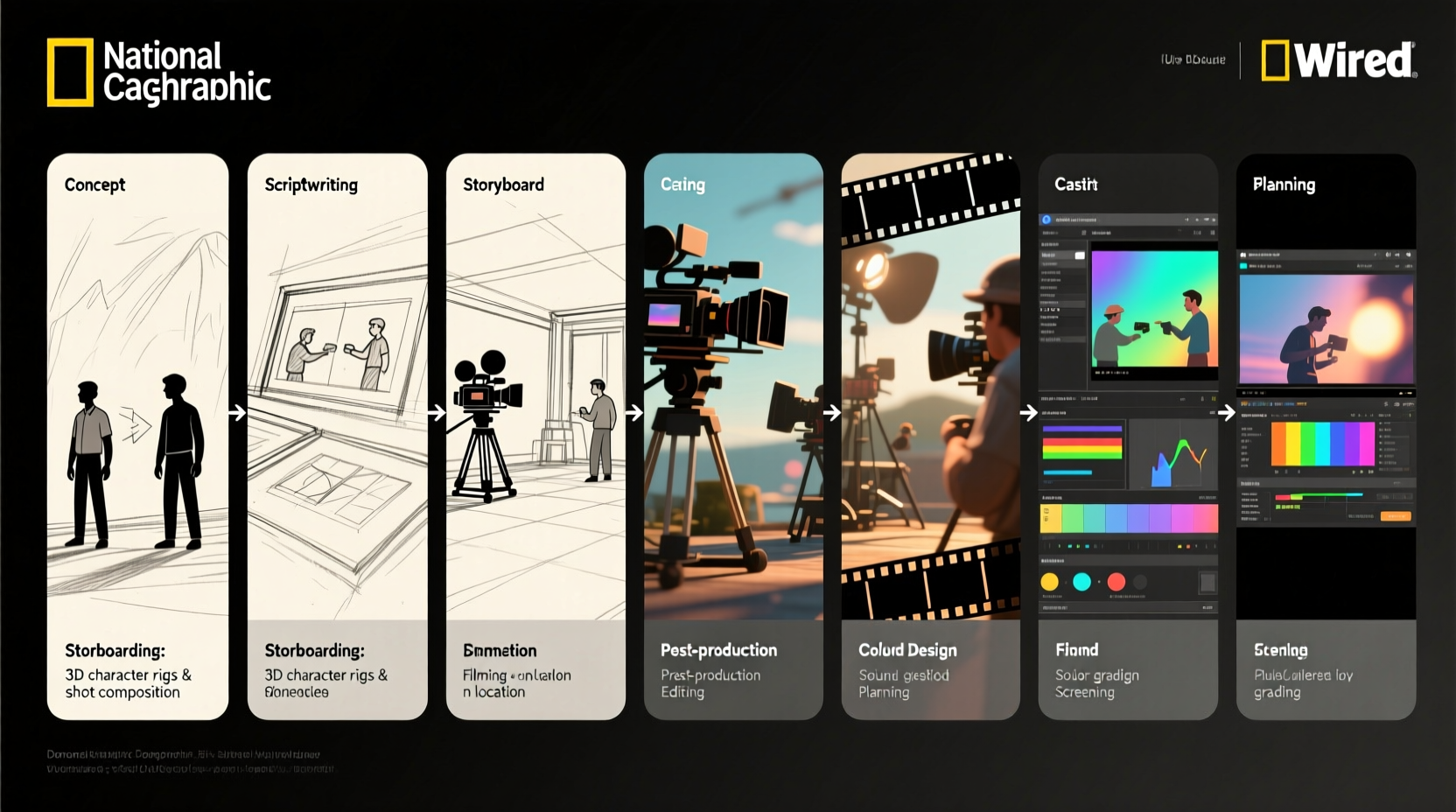
Every movie begins with a spark—an idea. It could be a character, a theme, a \"what if?\" scenario, or even a real-life event. The first step is transforming that idea into a structured narrative. This involves brainstorming plot points, defining the protagonist’s arc, and establishing tone and genre.
At this stage, many writers develop a logline—a one-sentence summary of the story—and a treatment, which is a 5–10 page prose version of the film. These tools help clarify the vision before diving into scriptwriting.
Once the concept is solidified, the next phase is writing the screenplay. This is where dialogue, scenes, structure (typically three acts), and pacing are crafted. Screenplays follow strict formatting rules, using software like Final Draft or Celtx to ensure industry standards.
“Stories are found objects. You don’t invent them—you discover them through persistence and curiosity.” — Aaron Sorkin, Screenwriter
2. Pre-Production: Building the Foundation
Pre-production is where planning becomes tangible. It’s the logistical backbone of any film. Without thorough preparation, even the best scripts can falter during shooting.
This phase includes:
- Finalizing the screenplay and locking the shooting script
- Hiring key crew: director of photography, production designer, costume designer, etc.
- Casting actors through auditions and callbacks
- Scouting and securing locations
- Creating storyboards and shot lists
- Developing a production schedule and budget
- Obtaining permits and insurance
A detailed shot list helps the director and cinematographer plan every camera angle and movement. Storyboards—visual sketches of key scenes—assist in visualizing sequences before filming begins.
| Pre-Production Task | Purpose | Responsible Party |
|---|---|---|
| Casting | Secure actors who embody characters | Casting Director |
| Location Scouting | Find realistic, shootable settings | Location Manager |
| Budgeting | Allocate funds for cast, crew, equipment, and post | Line Producer |
| Permits | Ensure legal permission to film | Production Coordinator |
Mini Case Study: Low-Budget Indie Breakthrough
In 2012, *Beasts of the Southern Wild* began as a short film developed in a Louisiana workshop. The filmmakers spent nearly a year living in the community they depicted, building trust and authenticity. When expanding to feature length, they used local non-actors, shot on location during hurricane season, and worked with a micro-budget. Their deep pre-production groundwork paid off: the film premiered at Sundance, won awards, and earned critical acclaim. The lesson? Immersive research and community engagement can elevate storytelling beyond financial limitations.
3. Production: Filming the Movie
Production is when cameras roll. It’s the most visible phase, but also the most time-sensitive and expensive. Every day on set costs thousands, so efficiency is crucial.
The director leads the creative vision, working closely with the director of photography to capture scenes according to the shot list. The script supervisor ensures continuity—matching wardrobe, props, and actor positions across takes. Sound recordists capture clean audio, while the assistant directors manage schedules and call “roll” and “cut.”
Filming typically follows the schedule scene by scene, not necessarily in story order. Scenes are often grouped by location or actor availability to minimize travel and downtime.
Challenges arise daily: weather delays, technical issues, actor fatigue. Flexibility and clear communication are essential. The unit production manager keeps operations running smoothly, solving problems before they escalate.
4. Post-Production: Crafting the Final Cut
Post-production transforms raw footage into a cohesive film. This phase is where the movie truly comes together.
Key steps include:
- Editing: The editor assembles scenes, trims performances, and shapes pacing. Multiple cuts are made—from rough cut to fine cut—before locking picture.
- Sound Design: Dialogue is cleaned, sound effects added, and ambient noise layered for realism. ADR (Automated Dialogue Replacement) fixes poorly recorded lines.
- Musical Score: A composer creates original music to enhance emotion and rhythm.
- Visual Effects (VFX): Even small films use subtle VFX—removing boom mics, enhancing skies, or adding digital elements.
- Color Grading: Adjusts color tones to establish mood—cool for drama, warm for nostalgia.
- Titles & Credits: Final graphics are added, including opening titles and closing credits.
Once the final version is approved, the film is mastered into formats suitable for festivals, theatrical release, or streaming platforms.
“Editing is where the soul of the film emerges. You don’t fix bad footage—you rebuild the story.” — Walter Murch, Legendary Film Editor
5. Distribution and Release: Bringing the Film to Audiences
A finished film means little without an audience. Distribution determines how viewers access the movie.
Options include:
- Film Festivals: Submitting to festivals like Sundance, Cannes, or TIFF can generate buzz and attract distributors.
- Theatrical Release: Requires partnerships with studios or independent distributors. High cost, but high prestige.
- Digital Platforms: Streaming services like Netflix, Amazon Prime, or Vimeo On Demand offer global reach.
- VOD (Video on Demand): Rent or buy models through iTunes, Google Play, or cable providers.
Marketing is critical. Trailers, posters, social media campaigns, press kits, and interviews build anticipation. For indie filmmakers, grassroots promotion—screenings, Q&As, influencer outreach—can make all the difference.
Checklist: Key Steps from Concept to Screen
- ✅ Develop a strong logline and treatment
- ✅ Write and finalize the screenplay
- ✅ Assemble core creative team and cast
- ✅ Secure funding and finalize budget
- ✅ Complete location scouting and scheduling
- ✅ Shoot all principal photography
- ✅ Edit, score, and grade the film
- ✅ Submit to festivals or secure distribution
- ✅ Launch marketing campaign
- ✅ Release film and gather audience feedback
FAQ
How long does it take to make a movie?
It varies widely. A short film might take 3–6 months. Major studio films often take 2–3 years from concept to release. Independent features typically require 1–1.5 years, depending on resources and complexity.
Do I need a big budget to make a good movie?
No. Many acclaimed films were made on tight budgets. *Paranormal Activity* was made for $15,000 and grossed over $190 million. Strong writing, smart planning, and creative problem-solving matter more than money.
Can I make a movie alone?
You can write, shoot, and edit solo—especially for shorts or experimental work. But collaboration elevates quality. Even low-budget projects benefit from a small, dedicated team in sound, lighting, and acting.
Conclusion
Making a movie is a marathon, not a sprint. It demands creativity, resilience, and organization. From the first flicker of an idea to the final frame on screen, every step shapes the viewer’s experience. While the process is demanding, it’s also deeply rewarding. With careful planning, passion, and attention to detail, anyone can bring a story to life and share it with the world.




 浙公网安备
33010002000092号
浙公网安备
33010002000092号 浙B2-20120091-4
Comments
No comments yet. Why don't you start the discussion?