
Transferring a house into your name is a significant legal process that requires attention to detail, proper documentation, and compliance with local laws. Whether you're inheriting property, receiving it as a gift, or purchasing it from a family member, the transfer must be executed correctly to ensure clear ownership and avoid future disputes or tax liabilities. This comprehensive guide walks you through every stage of the process, from preparing the deed to recording it with the county, so you can confidently complete the transfer without unnecessary delays or legal complications.
Understanding Property Title and Deeds
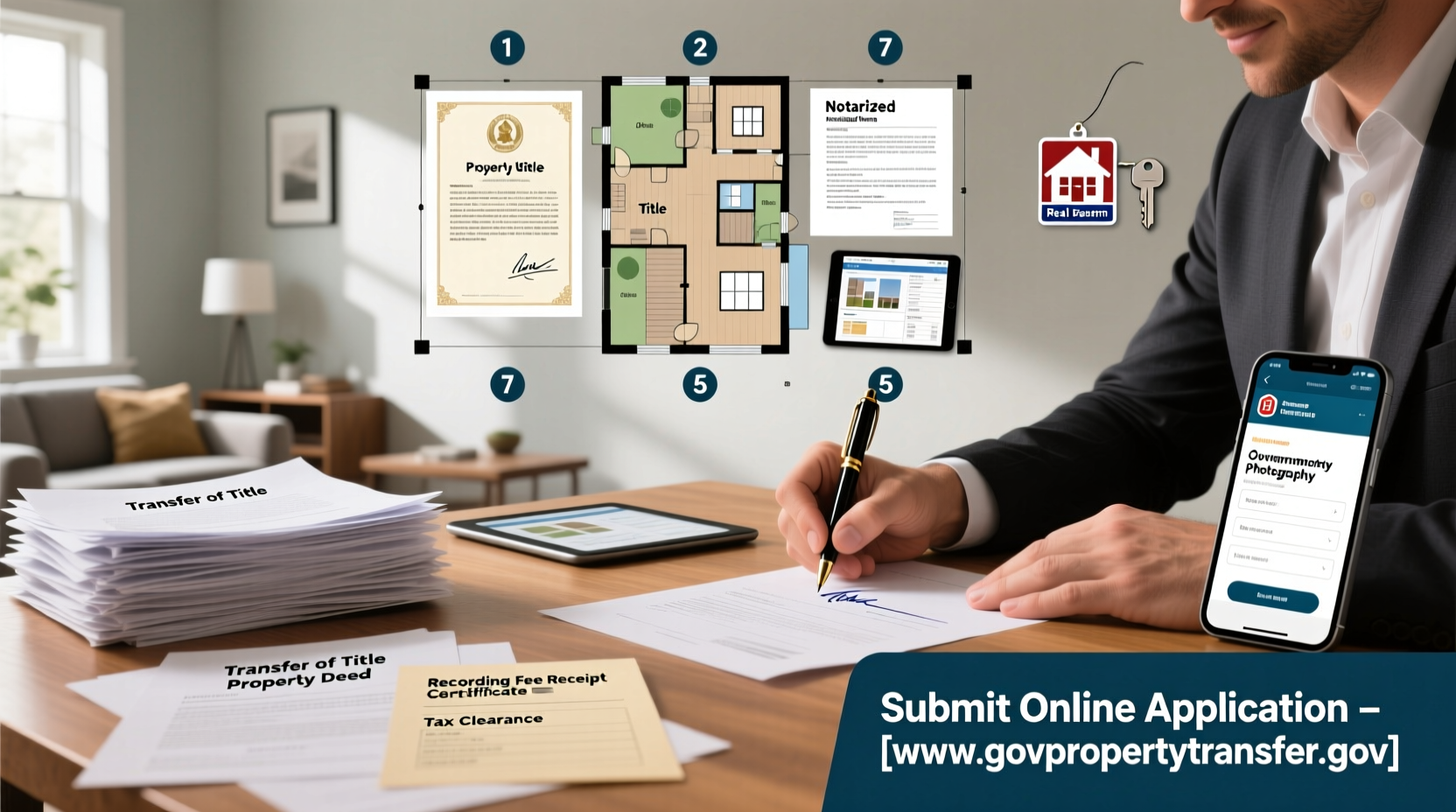
A property's legal ownership is established through its title, which is documented via a deed. The deed is a legal instrument that conveys ownership rights from one party (the grantor) to another (the grantee). There are several types of deeds used in real estate transfers, each offering different levels of protection:
- Warranty Deed: Guarantees the grantor holds clear title and has the right to transfer it. It also protects against future claims.
- Quitclaim Deed: Transfers whatever interest the grantor has in the property, if any, without guaranteeing clear title. Commonly used in gifts or transfers between family members.
- Special Warranty Deed: Guarantees only that the grantor hasn't done anything during their ownership to impair the title.
The type of deed used depends on the nature of the transfer. For example, a quitclaim deed is often sufficient for transferring property between spouses or parents and children, while a warranty deed is standard in sales transactions.
Step-by-Step Process to Transfer a House Into Your Name
Transferring real estate ownership involves several formal steps. Follow this sequence to ensure a smooth and legally sound transition:
- Determine the Reason for Transfer: Is the transfer due to sale, inheritance, gifting, or divorce? The reason affects the required documents and potential tax implications.
- Obtain a Copy of the Current Deed: Contact your county recorder’s office or access public records online to get the existing deed. This helps confirm who currently owns the property.
- Select the Appropriate Deed Type: Choose based on the situation—quitclaim for gifts, warranty for sales, etc.
- Prepare the New Deed: Include the legal description of the property, names of grantor(s) and grantee(s), vesting choice (e.g., joint tenancy, tenancy in common), and notary acknowledgment section.
- Sign and Notarize the Deed: The grantor must sign in the presence of a notary public. Some states require witnesses as well.
- Submit Required Forms: Many jurisdictions require additional forms such as a Preliminary Change of Ownership Report (PCOR) or a Real Estate Transfer Tax form.
- Record the Deed: File the signed and notarized deed with the county recorder or registrar of deeds. Recording makes the transfer official and part of public record.
- Update Property Records: Notify the local assessor’s office to update ownership details, which affects property tax billing.
Timeline Overview
| Step | Estimated Time | Key Notes |
|---|---|---|
| Title Search & Preparation | 1–3 days | Use county records or hire a title company |
| Deed Drafting | 1 day | Consult an attorney if complex ownership terms apply |
| Signing & Notarization | Same day | All grantors must sign; notary required |
| Filing with County | 1–5 business days | Processing time varies by jurisdiction |
| Recording Confirmation | 1–2 weeks | You’ll receive a stamped copy once recorded |
Tax and Legal Considerations
Transferring property can trigger tax obligations at federal, state, and local levels. Understanding these upfront prevents surprises later.
Gift Tax: If the house is gifted, the IRS may consider it a taxable event if the value exceeds the annual exclusion ($17,000 per recipient in 2023, $18,000 in 2024). While the donor typically pays the gift tax, structuring large transfers over multiple years can minimize liability.
Property Transfer Taxes: Many counties impose a transfer tax based on the sale price or assessed value. Rates vary widely—from $0.10 to $2.00 per $100 of value. In some cases, transfers between family members are exempt.
Capital Gains Implications: If you later sell the home, your cost basis depends on how you acquired it. Inherited property receives a “stepped-up” basis (current market value), while gifted property retains the original owner’s basis, potentially increasing capital gains tax upon sale.
“Failing to understand the tax consequences of a deed transfer can lead to unexpected liabilities down the road. Always consult a tax professional before proceeding.” — Laura Simmons, CPA and Real Estate Tax Advisor
Real-Life Example: Transferring a Home to an Adult Child
John, a 72-year-old homeowner, wanted to transfer his primary residence to his daughter Maria to avoid probate. He consulted an estate attorney who recommended using a quitclaim deed and adding Maria to the title as joint tenants with rights of survivorship.
The attorney drafted the deed, ensuring the legal description matched the county records. John signed and notarized it, then filed it with the county recorder along with a PCOR form. The local assessor reviewed the filing but granted an exemption from transfer tax under California’s parent-to-child exclusion (Proposition 19).
By completing the transfer during his lifetime, John simplified estate planning and ensured Maria would inherit the home smoothly. However, they also discussed that Maria would inherit John’s original tax basis, meaning higher capital gains if she sells the home later.
Checklist: How to Legally Transfer a House Into Your Name
- ☐ Confirm current ownership and title status
- ☐ Determine the reason for transfer (sale, gift, inheritance)
- ☐ Select the correct deed type (quitclaim, warranty, etc.)
- ☐ Obtain the property’s legal description from deed or assessor
- ☐ Draft the new deed with accurate names and vesting
- ☐ Sign and notarize the deed (and witness, if required)
- ☐ Complete any supplemental forms (tax declarations, affidavits)
- ☐ File the deed with the county recorder’s office
- ☐ Pay applicable recording and transfer fees
- ☐ Update property tax and insurance records
Frequently Asked Questions
Can I transfer a house with a mortgage?
Yes, but caution is required. Most mortgages include a “due-on-sale” clause, allowing the lender to demand full repayment if ownership changes. Transfers to immediate family members (spouse, child, parent) are often exempt. Notify your lender and consider refinancing in your name.
Do I need a lawyer to transfer a house deed?
While not always legally required, hiring a real estate attorney is strongly advised—especially for complex situations involving trusts, co-owners, or tax planning. Mistakes in wording or filing can invalidate the transfer or create title defects.
What happens if the deed isn’t recorded?
An unrecorded deed is not binding against third parties. If the previous owner sells the property to someone else, the new buyer could claim superior rights. Recording establishes your legal claim and protects against fraud.
Final Steps and Ongoing Responsibilities
Once the deed is recorded, update related accounts to reflect your ownership. Notify your homeowners insurance provider to add your name or issue a new policy. Adjust property tax statements through the county assessor’s office. If applicable, refinance the mortgage to remove the previous owner and secure favorable terms.
Maintain copies of all documents—the recorded deed, notary acknowledgment, and transfer tax receipts—for your personal records and future sale transactions.
Conclusion
Transferring a house into your name is more than a paperwork exercise—it’s a legal act that secures your ownership rights and sets the foundation for responsible property management. By following the correct procedures, understanding tax implications, and seeking expert guidance when needed, you can ensure a seamless and legally sound transfer. Don’t rush the process; accuracy today prevents costly disputes tomorrow.




 浙公网安备
33010002000092号
浙公网安备
33010002000092号 浙B2-20120091-4
Comments
No comments yet. Why don't you start the discussion?