
Gel phone cases are popular for their slim profile, shock-absorbing qualities, and transparent design that showcases your phone’s original look. However, improper installation can compromise protection, lead to trapped dust or air bubbles, and reduce the case’s lifespan. Installing a gel case correctly isn’t complicated—but it does require attention to detail. When done right, you’ll ensure full edge coverage, unobstructed access to ports, and long-term durability. This guide walks you through every essential step to achieve a flawless fit and optimal defense against drops, scratches, and daily wear.
Why Proper Installation Matters
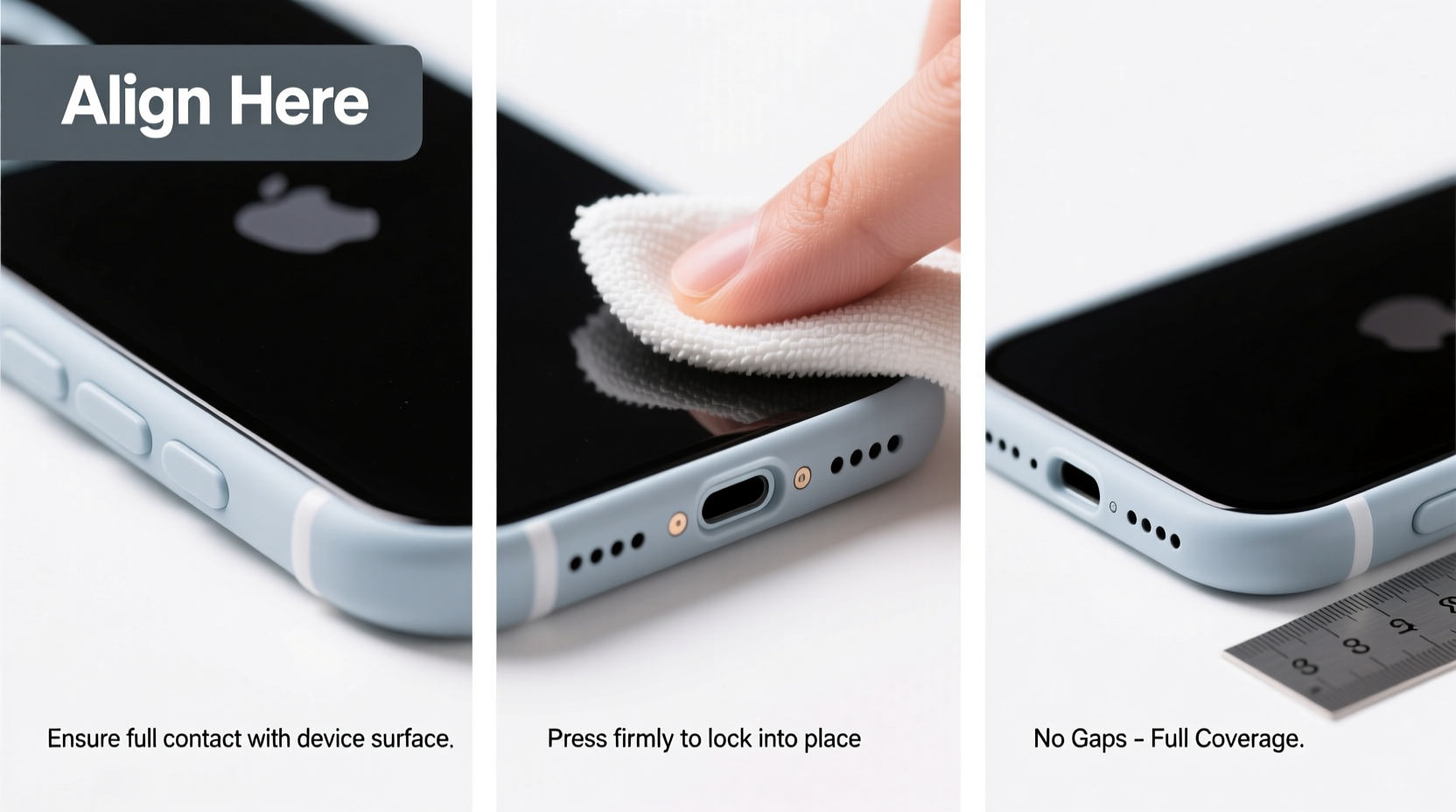
A poorly installed gel case may seem harmless at first—slightly misaligned edges or a tiny speck of dust under the surface. But over time, these small flaws can cause bigger issues. Misalignment reduces shock absorption in critical corners, while trapped debris creates pressure points that weaken the silicone structure. Worse, air pockets can expand with heat, leading to warping or peeling.
Proper installation ensures:
- Full coverage of all edges and camera cutouts
- No interference with buttons, speakers, or charging ports
- Maximum grip and drop protection
- Longer clarity retention (reduced yellowing)
“Even the best gel case loses up to 40% of its impact resistance if not seated flush against the phone.” — Dr. Lena Tran, Materials Engineer at MobileShield Labs
Step-by-Step Guide to Installing Your Gel Case
Follow this timeline-tested method to install your gel case without bubbles, dust, or misalignment. The entire process takes less than 10 minutes but significantly improves performance and appearance.
- Power down your phone – While not always necessary, turning off your device prevents accidental inputs during installation and reduces static attraction to dust.
- Remove any existing case or screen protector residue – Use a lint-free cloth to wipe away adhesive remnants or oily film from old accessories.
- Clean your phone thoroughly – Dampen a microfiber cloth with isopropyl alcohol (70%) and gently clean all surfaces, especially the back and sides. Let it dry completely before proceeding.
- Inspect the gel case – Hold it up to light to check for tears, manufacturing defects, or embedded particles. If present, contact the manufacturer before installing.
- Align the top edge first – Match the camera cutout and speaker notch precisely. Most gel cases have a slightly tighter fit at the top to secure the most vulnerable corner.
- Press down along both sides gradually – Starting from the top, use your thumbs to slowly work the case down each side. Avoid snapping it on quickly, as this traps air.
- Seat the bottom edge last – Once the sides are secure, press the bottom into place around the charging port. Ensure the case doesn’t block the speaker or microphone openings.
- Check button responsiveness – Test volume and power buttons. A well-installed gel case allows tactile feedback without requiring excessive force.
- Final inspection – Run your finger around all edges to confirm there are no gaps or lifting. Look closely at corners and curves where separation commonly occurs.
Do’s and Don’ts of Gel Case Installation
| Do’s | Don’ts |
|---|---|
| Use a lint-free cloth for cleaning | Install over a dirty or greasy phone |
| Align cutouts carefully before pressing | Force the case using sharp tools |
| Massage out bubbles gently | Peel and reapply multiple times |
| Wash reusable cases monthly with mild soap | Expose to direct sunlight for extended periods |
Tips for Long-Term Protection and Clarity
A gel case can remain clear and functional for months—if maintained properly. Unlike rigid plastic cases, gel materials are porous and prone to absorbing oils and pigments from hands and surfaces.
To preserve clarity and elasticity:
- Remove the case weekly and rinse it under lukewarm water with a drop of dish soap. Dry with a soft towel.
- Store your phone away from high-heat areas like car dashboards or near radiators.
- Avoid placing it face-down on colored fabrics or printed surfaces, which can transfer dye.
- Replace the case every 4–6 months, even if undamaged. Over time, molecular breakdown reduces shock absorption.
Real-World Example: How One User Prevented Costly Damage
Jamal, a freelance photographer in Seattle, uses his smartphone daily on shoots. He once skipped proper case installation, rushing to get ready for an outdoor session. He snapped the gel case on without cleaning his phone, resulting in a grain of sand trapped beneath the back panel.
Within two weeks, the particle created a raised spot that weakened the silicone. During a shoot near Puget Sound, he dropped his phone from waist height onto wet concrete. The case split at the stress point, exposing the corner to impact. The screen cracked, costing $180 to repair.
Afterward, Jamal adopted a strict installation routine: cleaning both phone and case, aligning meticulously, and inspecting for debris. Six months later, he survived another fall—from a moving skateboard—and the phone emerged unscathed. “Ten extra minutes of care saved me hundreds,” he said.
Frequently Asked Questions
Can I reuse a gel case after removing it?
Yes, but only if it hasn’t been stretched excessively or contaminated with dirt. Clean it thoroughly and ensure it still adheres snugly. Repeated removal increases the risk of tearing or poor fit.
Why does my new gel case feel sticky?
Some gel cases come with a protective film that causes tackiness. Wipe it with a mild soapy solution and dry completely. If stickiness persists beyond 48 hours, it may be a low-quality material prone to degradation.
Should I use a screen protector with a gel case?
Yes. Gel cases protect the body and edges but don’t shield the screen from direct impacts. Pair your case with a tempered glass protector for complete defense.
Final Checklist Before You Begin
- Phone is powered off
- Both phone and case are clean and dry
- Work area is dust-free (avoid carpeted or windy spaces)
- Light source available for inspecting alignment
- No jewelry or rough nails that could scratch the phone
- Patient mindset—rushing leads to mistakes
Conclusion: Small Steps, Big Protection
The effectiveness of a gel phone case isn’t just about the material—it’s about how well it’s applied. Taking a few deliberate minutes to install it correctly enhances protection, maintains aesthetics, and extends the life of your investment. Whether you’re using a flagship device or a trusted everyday model, proper case installation is one of the simplest yet most impactful habits you can adopt. Treat it like part of your phone setup routine, just like charging or updating software.




 浙公网安备
33010002000092号
浙公网安备
33010002000092号 浙B2-20120091-4
Comments
No comments yet. Why don't you start the discussion?