
Refrigerators are essential household appliances, but when they're not in regular use—such as in vacation homes, during renovations, or before long-term storage—they need protection. A refrigerator cover shields the unit from dust, moisture, scratches, and pests. While installing a cover may seem straightforward, doing it incorrectly can lead to trapped moisture, poor fit, or even damage to the finish. This comprehensive guide walks you through every detail of properly installing a refrigerator cover on a single-door model, ensuring maximum protection and longevity.
Why Use a Refrigerator Cover?
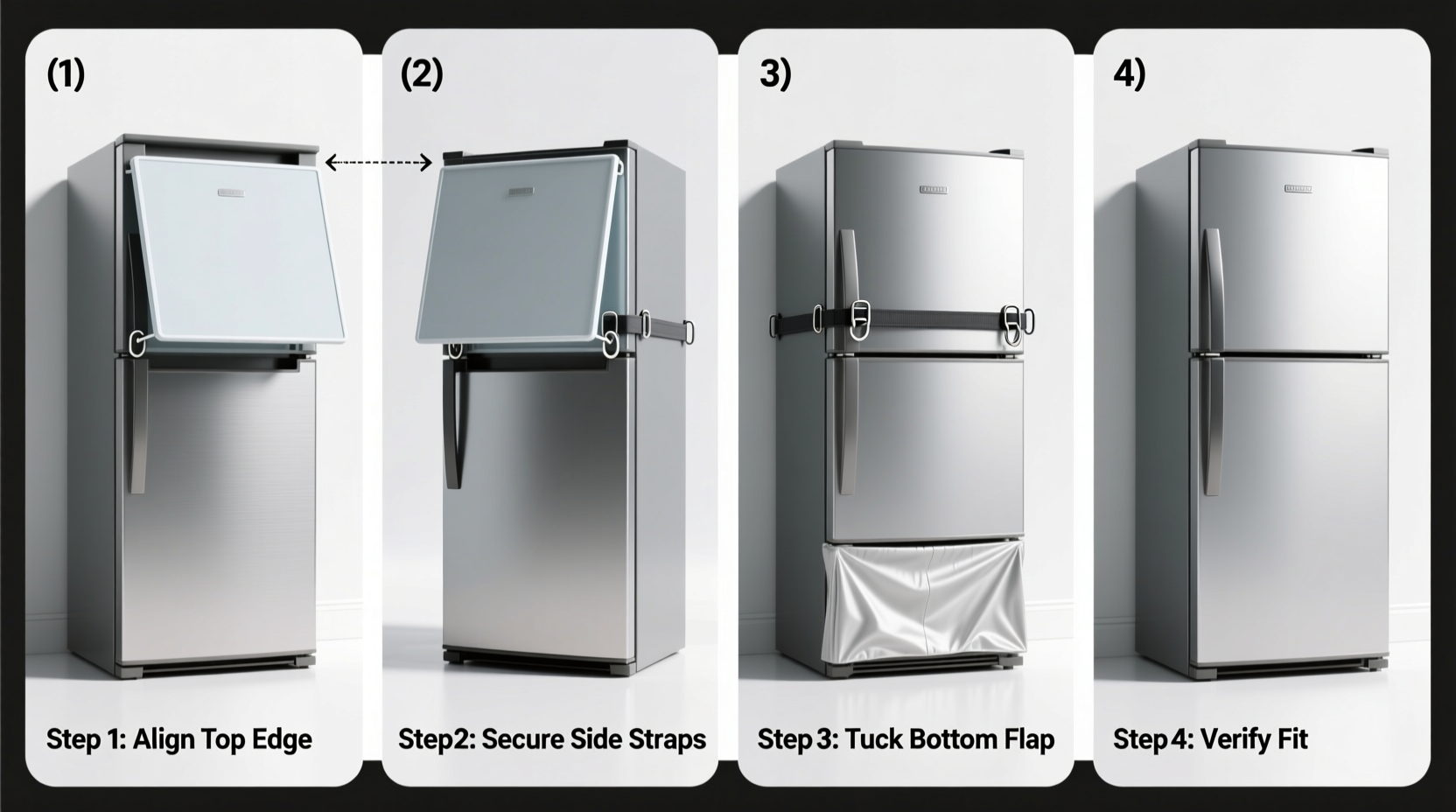
A refrigerator cover is more than just a cosmetic accessory—it’s a functional safeguard. Single-door refrigerators, commonly found in apartments, dorm rooms, garages, or secondary kitchens, are especially vulnerable when left idle. Without proper covering, these units accumulate dust, attract insects, and may develop mold due to condensation if stored in damp environments like basements or sheds.
Using a high-quality cover helps maintain the refrigerator’s appearance and internal cleanliness. It also prevents accidental dents or scuffs during moving or storage. Most importantly, a correctly installed cover allows for breathability while blocking contaminants—striking the right balance between protection and ventilation.
Choosing the Right Cover for Your Single-Door Model
Not all refrigerator covers are created equal. Before installation, ensure you have the correct type and size. Single-door models vary in height and depth, so a universal fit isn’t always sufficient. Measure your refrigerator’s dimensions (height, width, depth) and compare them with the manufacturer’s specifications.
Look for covers made from breathable, water-resistant fabric such as polyester with PVC coating or laminated cotton. Avoid plastic bags or non-breathable materials, which trap humidity and encourage corrosion. Elastic hems or drawstrings help secure the fit, preventing the cover from slipping off.
| Feature | Recommended | Avoid |
|---|---|---|
| Fabric Type | Breathable polyester, laminated cotton | Plastic sheeting, vinyl without vents |
| Fit | Custom-fit or adjustable drawstring | Loose-fitting, one-size-only |
| Ventilation | Mesh panels or breathable weave | Completely sealed construction |
| Closure | Elastic hem, zipper, or tie straps | No closure mechanism |
Step-by-Step Installation Guide
Proper installation ensures that your refrigerator remains protected without compromising its condition. Follow these steps carefully for optimal results.
- Unplug and Empty the Unit: Disconnect the refrigerator from the power source. Remove all food, shelves, drawers, and bins. Wash and dry interior components thoroughly.
- Clean the Exterior: Wipe down the entire surface—including the top, sides, front, and back—with a mild detergent solution. Dry completely with a soft cloth. Pay special attention to the door seal and hinges.
- Ensure Complete Dryness: Leave the door open for at least 12–24 hours in a well-ventilated area to eliminate any residual moisture inside the unit.
- Inspect the Cover: Check for defects, tears, or missing fasteners. Confirm that the label indicates compatibility with single-door models (typically under 30 inches wide).
- Position the Refrigerator: Move the unit away from walls to allow full access. Place it on a flat, dry surface. If storing long-term, elevate it slightly using wooden blocks to prevent floor moisture absorption.
- Align the Cover: Hold the cover vertically and align the front (usually marked or designed with a logo or window) with the refrigerator’s front. Ensure the bottom edge will reach near the base without dragging on the floor.
- Drape and Adjust: Gently place the cover over the refrigerator starting from the top. Smooth it down the sides, making sure no wrinkles form around the handle or control panel.
- Secure the Closure: If the cover has a drawstring, tighten it around the base and knot securely. For elastic hems, ensure it grips snugly around the bottom. Some models include Velcro straps or buckles—attach them to stabilize the cover.
- Check Ventilation Clearance: Make sure the back of the refrigerator isn’t pressed against a wall. Allow at least 2–3 inches of space for air circulation, even when covered.
- Monitor Periodically: During storage, inspect the cover monthly. Look for signs of pests, dampness, or wear. Re-dry the interior if necessary.
“Many people think putting a cover on a fridge is enough—but improper installation traps moisture, which accelerates rust and insulation damage.” — Daniel Ruiz, Appliance Maintenance Technician with 15 years of field experience
Common Mistakes and How to Avoid Them
Even with good intentions, homeowners often make errors that reduce the effectiveness of a refrigerator cover. Awareness of these pitfalls ensures better outcomes.
- Installing on a wet surface: Moisture trapped under the cover creates ideal conditions for mold and metal corrosion.
- Using oversized or undersized covers: Too loose, and dust enters easily; too tight, and stress is placed on seams or the refrigerator finish.
- Blocking ventilation grills: Some covers extend over the back or bottom vents. Always verify airflow paths remain unobstructed.
- Leaving food inside: Residual odors and spills can attract rodents and degrade seals over time.
- Neglecting location: Storing a covered fridge directly on a concrete basement floor invites moisture wicking. Use a pallet or mat.
Real-World Example: Protecting a Garage Refrigerator Year-Round
Sarah, a homeowner in Portland, Oregon, uses a single-door refrigerator in her garage for extra beverage storage during summer gatherings. After noticing dust buildup and a musty smell upon restart, she decided to invest in a proper cover. She followed the steps outlined above: cleaned the unit, let it air out for two days, selected a breathable custom-fit cover with side zippers, and elevated the fridge on rubber pads.
She installed the cover in October before winter set in. Six months later, when she removed it, the refrigerator looked nearly new—no dust, no odor, and no signs of pest activity. The small effort upfront saved her from deep cleaning and potential mechanical issues caused by debris entering the cooling system.
Essential Checklist for Installing a Refrigerator Cover
Use this checklist to ensure nothing is overlooked before and during installation:
- ☐ Unplugged refrigerator from power source
- ☐ Removed and cleaned all internal shelves and drawers
- ☐ Wiped down exterior surfaces and dried completely
- ☐ Left door open for 12–24 hours to air out
- ☐ Verified cover size matches refrigerator dimensions
- ☐ Inspected cover for damage or missing parts
- ☐ Positioned fridge with clearance around back and sides
- ☐ Aligned cover correctly (front/back, top/bottom)
- ☐ Secured drawstring, elastic, or fasteners firmly
- ☐ Confirmed no obstruction of vents or controls
- ☐ Scheduled next inspection date (e.g., 30 or 60 days ahead)
Frequently Asked Questions
Can I leave the refrigerator plugged in while using a cover?
No. Covers are intended for storage or non-use periods. If the refrigerator is operating, a cover restricts heat dissipation and increases fire risk. Always unplug before covering.
How long can I keep a refrigerator covered safely?
With proper preparation, up to 6–12 months. However, check every 30–60 days for moisture, pests, or fabric degradation. In humid climates, shorten inspection intervals.
Are there covers with access doors for frequent use?
Yes. Some premium models feature zippered front panels or removable flaps that allow access to the interior without removing the entire cover—ideal for secondary fridges used seasonally.
Final Thoughts: Protect Your Investment with Care
A refrigerator may seem durable, but environmental exposure takes a silent toll. By taking the time to properly install a cover on your single-door model, you preserve both function and appearance. Whether you’re prepping for a move, seasonal storage, or protecting a rarely used unit, following these detailed steps ensures your appliance stays ready for action when needed.




 浙公网安备
33010002000092号
浙公网安备
33010002000092号 浙B2-20120091-4
Comments
No comments yet. Why don't you start the discussion?