
Accessing your Google Account is part of daily digital life—whether you're checking email, using Google Drive, or managing YouTube. But with rising cyber threats, logging in safely matters more than ever. A compromised account can expose personal messages, financial data, photos, and even allow attackers to impersonate you. The good news? With the right approach, logging into Google can be both seamless and secure. This guide walks you through a reliable, tested process that balances convenience and protection.
Why Secure Login Matters More Than Ever
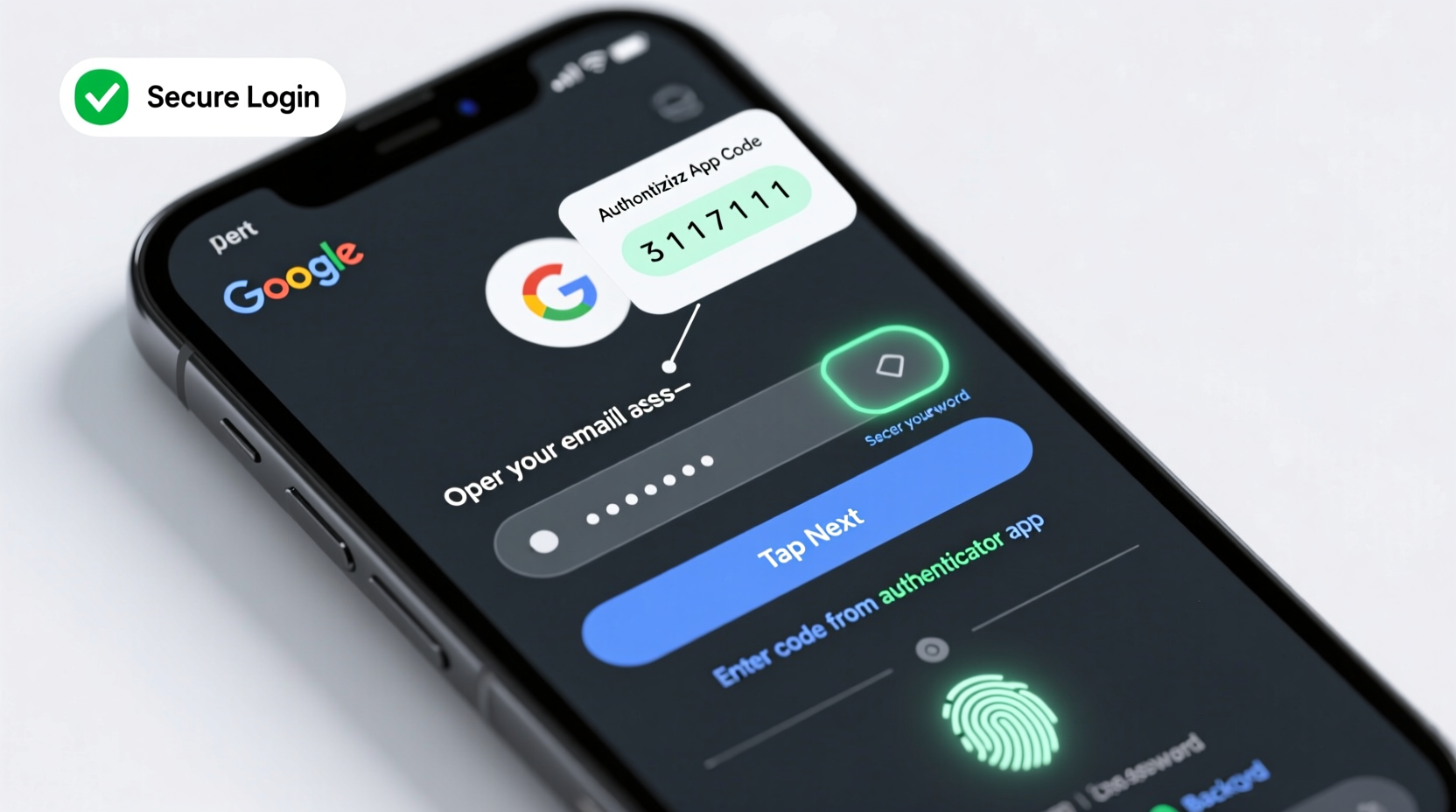
In 2023, phishing attacks targeting Google credentials increased by over 45%, according to the Anti-Phishing Working Group. Cybercriminals use fake login pages, malicious extensions, and social engineering to steal passwords. Even a strong password isn’t enough if your device is infected or you’re tricked into entering credentials on a spoofed site.
Google’s security infrastructure is robust, but its effectiveness depends on how users interact with it. Enabling multi-factor authentication (MFA), verifying URLs, and managing trusted devices are all critical steps that most people overlook—until it’s too late.
“Most account breaches happen not because of system flaws, but due to user behavior. Simple habits like checking the URL and using authenticator apps drastically reduce risk.” — Dr. Lena Torres, Cybersecurity Researcher at Stanford University
Step-by-Step: How to Log In Safely Every Time
Follow this sequence each time you sign in to ensure maximum security without unnecessary complexity.
- Use a trusted device and private network: Avoid public computers or unsecured Wi-Fi. If necessary, use a personal mobile hotspot.
- Navigate directly to google.com: Type the address manually or use a saved bookmark. Never click login links from emails or texts.
- Check the URL and padlock icon: Confirm the address bar shows
https://accounts.google.comand has a lock symbol. No exceptions. - Enter your email: Use your full Google Account email (e.g., username@gmail.com).
- Enter your password carefully: Ensure no keyloggers are present. Consider using a password manager for accuracy and safety.
- Complete the second factor: Depending on your setup, approve via Google Authenticator, prompt on your phone, or insert a security key.
- Review recent activity: After logging in, visit Device Activity to confirm no unfamiliar devices are listed.
Essential Security Features You Should Enable Now
Google offers several tools to strengthen your account. These aren't optional extras—they're foundational layers of protection.
- Two-Factor Authentication (2FA): Adds a second verification step beyond your password.
- Google Prompt: Receive a push notification on your phone instead of typing codes.
- Security Key: Use a physical USB or NFC key for phishing-resistant authentication.
- Recovery Phone & Email: Keep these updated so you can regain access if locked out.
- Advanced Protection Program: For high-risk users (journalists, executives), this enforces strict security policies.
| Feature | Pros | Cons |
|---|---|---|
| SMS Verification | Easy to set up; widely available | Vulnerable to SIM swapping |
| Authenticator App | No SMS risk; works offline | Loses access if phone is lost |
| Security Key | Resists phishing; strongest option | Requires purchasing hardware |
| Google Prompt | User-friendly; automatic approval | Phone must be nearby and charged |
Real-World Example: Recovering From a Suspicious Login
Sarah, a freelance designer, noticed an alert from Google: “New sign-in from London.” She lives in Toronto and hadn’t traveled. She immediately clicked “Not me” and followed Google’s security checkup.
The system detected a failed attempt using her password but blocked access because she had 2FA enabled with Google Authenticator. Sarah reset her password, reviewed active sessions, and removed unknown devices. She also updated her recovery email, which had been outdated for months.
Thanks to proactive settings, her account stayed secure. Without 2FA, the attacker could have accessed her Gmail, Drive files, and billing information.
Do’s and Don’ts of Google Account Access
| Do | Don’t |
|---|---|
| Use a unique, strong password | Reuse passwords across sites |
| Enable 2FA with an authenticator app or security key | Rely solely on SMS for 2FA |
| Regularly review signed-in devices | Ignore Google security alerts |
| Bookmark https://accounts.google.com | Click login links from unsolicited emails |
| Update recovery options every 6 months | Leave recovery info blank or outdated |
FAQ: Common Questions About Secure Google Logins
What should I do if I lose my phone and can’t complete 2FA?
If you’ve lost access to your 2FA method, use backup codes you saved during setup. If you didn’t save them, go to Google Account Recovery. Provide identifying details like previous passwords, recovery email, or phone number. Google will verify your identity and help restore access.
Can someone hack my Google Account even with 2FA?
It’s extremely difficult—but not impossible. Phishing attacks using real-time proxies can sometimes bypass weaker 2FA methods like SMS. However, using a security key or authenticator app makes such attacks nearly futile. The Advanced Protection Program blocks most automated and targeted attempts.
Is it safe to stay logged in on my personal devices?
Yes, as long as your device is secure. Use a strong screen lock (PIN, fingerprint, or face recognition), keep your OS updated, and avoid installing untrusted apps. Logging out frequently on personal devices reduces usability without significant security gains.
Essential Checklist for a Secure Login Routine
- ✅ Bookmark https://accounts.google.com on all your devices
- ✅ Enable two-factor authentication using Google Authenticator or a security key
- ✅ Generate and store 10 backup codes in a safe place (e.g., password manager or printed copy)
- ✅ Set up and regularly update recovery email and phone number
- ✅ Review active devices monthly at Google Device Permissions
- ✅ Install a reputable ad blocker and anti-phishing browser extension
- ✅ Run periodic security checks via Google Security Checkup
Final Thoughts: Make Security Effortless
Secure logins shouldn’t feel like a chore. By setting up the right protections once—like 2FA, recovery options, and trusted devices—the rest becomes automatic. Google’s ecosystem is designed to reward careful users with smooth, uninterrupted access.
The goal isn’t perfection—it’s consistency. One extra minute spent verifying a login page or approving a prompt can prevent hours of damage control later. Digital security is no longer optional; it’s part of responsible online living.




 浙公网安备
33010002000092号
浙公网安备
33010002000092号 浙B2-20120091-4
Comments
No comments yet. Why don't you start the discussion?