
Obtaining an alcohol licence is a critical milestone for any hospitality or retail business looking to serve or sell alcoholic beverages. Whether you're opening a bar, restaurant, or convenience store, the process can be complex and time-consuming. Mistakes in your application can lead to delays, fines, or outright rejection. This comprehensive guide walks you through each stage of securing an alcohol licence, offering practical steps, insider advice, and proven strategies to increase your chances of approval.
Understand the Types of Alcohol Licences
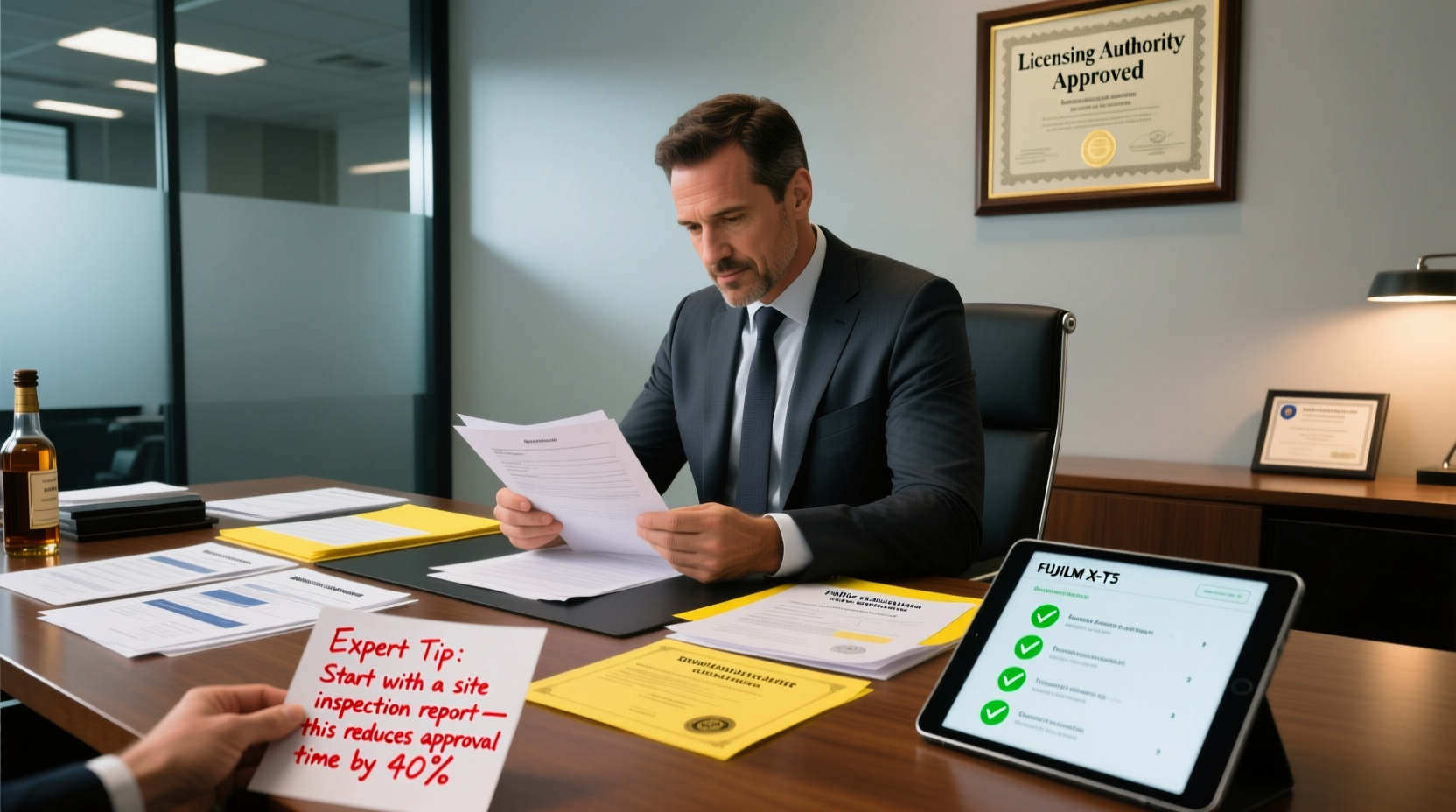
Before applying, it's essential to identify which type of licence aligns with your business model. Licensing categories vary by jurisdiction, but most regions classify licences based on the nature of service, hours of operation, and location. Common types include:
- On-Premises Consumption Licence: Allows sale and consumption of alcohol at venues like restaurants, bars, and hotels.
- Off-Premises Retail Licence: Permits the sale of packaged alcohol for consumption elsewhere (e.g., liquor stores).
- Special Event Permit: Temporary authorisation for festivals, weddings, or public events.
- Brewery/Distillery Taproom Licence: For producers who want to serve samples or sell directly to customers.
- Club Licence: Reserved for private members’ clubs or social organisations.
Step-by-Step Application Process
Navigating the licensing system requires precision and preparation. Follow this structured timeline to stay on track:
- Research Local Regulations: Visit your state or municipal alcohol control board website. Review zoning laws, proximity restrictions (e.g., schools, churches), and operating hour limits.
- Secure Business Registration: Ensure your business is legally registered, has a tax ID, and complies with health and safety codes.
- Complete Mandatory Training: Many jurisdictions require owners and staff to complete responsible service training (e.g., TIPS or ServSafe Alcohol).
- Prepare Documentation: Gather floor plans, lease agreements, government-issued IDs, and proof of liability insurance.
- Submit Application & Fees: File your application online or in person. Pay all required fees—these can range from $300 to over $5,000 depending on location and licence type.
- Post Public Notice: Advertise your intent to obtain a licence in a local newspaper or community bulletin as required, typically 14–30 days before hearings.
- Attend Licensing Hearing (if applicable):strong> Be prepared to answer questions from the board and address concerns from neighbours or community groups.
- Receive Decision: Approval may take 60 to 120 days. If denied, review feedback and consider appealing or reapplying.
Checklist: Pre-Application Essentials
Use this checklist to ensure nothing is overlooked before submission:
- ✅ Business entity legally formed and registered
- ✅ Zoning verification completed
- ✅ Floor plan approved by fire marshal (if required)
- ✅ Proof of liability insurance ($1M+ coverage typical)
- ✅ Completed alcohol server training certificates
- ✅ Signed lease agreement or property ownership proof
- ✅ Application fee payment method ready
- ✅ Public notice published per local requirements
Avoiding Common Pitfalls: Do’s and Don’ts
Mistakes during the application phase can derail your entire launch timeline. The following table outlines key behaviours to adopt—or avoid—to improve your odds of success.
| Do’s | Don’ts |
|---|---|
| Engage a liquor licensing attorney if your case is complex or contested. | Assume your location is automatically eligible—verify zoning first. |
| Respond promptly to requests for additional information. | Miss deadlines for public notices or renewals. |
| Document every communication with the licensing board. | Allow untrained staff to handle compliance matters. |
| Consult with neighbours early to build goodwill. | Provide incomplete or inaccurate floor plans. |
“Over 40% of rejected applications fail due to incorrect forms or missing documents—not legal ineligibility.” — James Holloway, Former Licensing Board Director, California ABC
Real Example: How a Downtown Café Secured Its First Licence
In Portland, Oregon, owner Maria Chen spent months planning her café, only to have her initial alcohol licence application denied. The reason? Her proposed bar area was within 500 feet of a youth centre, violating local buffer zone rules. After consulting a local attorney, she revised her floor plan to remove dedicated bar seating and applied for a limited beer-and-wine licence instead. She also hosted a community meet-and-greet to ease nearby residents’ concerns. On her second attempt, the application was approved in eight weeks. Today, her café serves craft beers and wine tastings on weekends, contributing nearly 30% of monthly revenue.
This case underscores two vital lessons: know your geographical restrictions, and community engagement can influence board decisions more than paperwork alone.
Expert Tips for Faster Approval
Seasoned applicants and licensing consultants agree: preparation separates successful applications from failed ones. Consider these expert-backed strategies:
- Leverage Technology: Some states offer online portals with real-time status tracking and document uploads—use them to reduce errors.
- Plan for Contingencies: Apply at least 90 days before your intended opening date. Delays are common.
- Hire Specialised Help: A lawyer experienced in alcohol licensing can anticipate issues and draft compelling statements for conditional approvals.
Frequently Asked Questions
How long does it take to get an alcohol licence?
Processing times vary widely—from 6 weeks in some rural counties to over 6 months in major cities with high application volumes. Factor in extra time if a public hearing is required.
Can I transfer an existing licence to my business?
Yes, in many jurisdictions, licences are transferable upon change of ownership. However, the process still requires board approval and may involve fees and inspections. Note that “plenary” licences often cannot be moved between locations.
What happens if my application is denied?
You’ll receive a written explanation. Most denials can be appealed within 30 days. Common grounds include zoning violations, criminal history, or prior non-compliance. Address the issue, gather supporting evidence, and reapply with corrections.
Final Steps and Ongoing Compliance
Receiving your licence is not the end—it’s the beginning of ongoing responsibility. You must adhere to strict regulations regarding:
- Hours of sale (e.g., no alcohol after 2 a.m.)
- Age verification procedures (always check ID)
- Employee training renewals (typically every 2–3 years)
- Annual reporting and renewal fees
Failure to comply—even once—can result in fines, suspension, or permanent revocation. Set calendar reminders for renewal dates and conduct internal audits quarterly.
Take Action Now
Securing an alcohol licence demands attention to detail, patience, and strategic planning. By understanding your licence type, preparing thoroughly, avoiding common mistakes, and seeking expert guidance when needed, you position your business for smooth regulatory approval and long-term success. Don’t wait until opening week to start the process—begin today. Your future self will thank you when the first toast is poured under a fully compliant licence.




 浙公网安备
33010002000092号
浙公网安备
33010002000092号 浙B2-20120091-4
Comments
No comments yet. Why don't you start the discussion?