
Dog coats with built-in leash holes are increasingly popular among pet owners who value both style and functionality. These coats allow you to attach a leash without removing the garment, making outdoor walks more convenient in cold or wet weather. However, improper use can compromise your dog’s comfort, safety, and even the structural integrity of the coat. Knowing how to correctly and securely attach a leash through the designated opening ensures your dog remains safe while maintaining the longevity of their outerwear.
This comprehensive guide walks you through each step of the process, highlights common pitfalls, and offers expert-backed advice to ensure every walk is secure and stress-free.
Understanding the Purpose of the Leash Hole
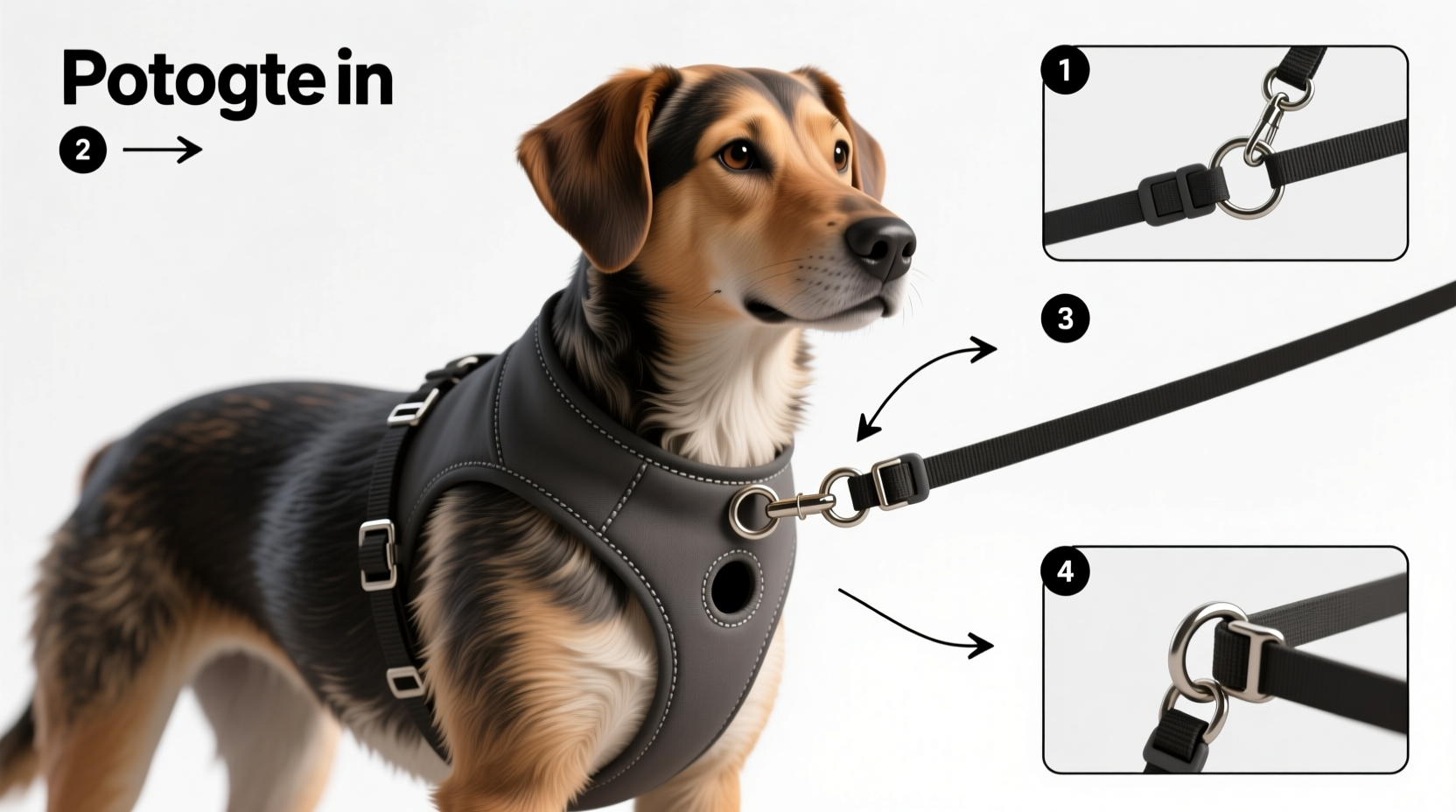
The leash hole—typically located between the shoulder blades at the base of the neck—is not just a convenience feature. It’s designed to allow leash attachment while keeping the coat fully zipped or fastened, preserving warmth and protection from the elements. Unlike harnesses or collars that distribute pressure across the chest or neck, this system relies on proper alignment and secure threading to prevent strain on the fabric.
It’s important to note: The leash hole is meant to work in conjunction with a properly fitted harness, not as a replacement for one. Attaching the leash directly to a collar while the dog wears a coat with a hole can lead to tangling or restricted movement.
“Never rely on the coat’s material to bear the full force of a pulling dog. The leash hole is a pass-through, not a load-bearing anchor.” — Dr. Lisa Montgomery, DVM, Canine Mobility Specialist
Step-by-Step Guide to Securely Attach the Leash
Follow these steps carefully to ensure the leash is attached safely and effectively:
- Prepare Your Dog’s Harness and Coat
Ensure your dog is wearing a well-fitted harness underneath the coat. The harness should sit snugly but allow two fingers beneath the straps. Put the coat on over the harness, aligning all closures properly. - Locate the Leash Hole
Find the small reinforced opening on the upper back of the coat, usually centered between the shoulders. It may have stitching around it or a rubber grommet. Confirm it’s unobstructed and not caught in a seam. - Thread the Leash Through the Hole
Holding the leash handle, feed the clasp end through the hole from the inside out. Pull until the clasp emerges completely on the exterior side of the coat. - Attach the Leash to the Harness
Do not clip the leash to the coat. Instead, connect the clasp to the D-ring on the dog’s harness. This ensures that tension is distributed safely through the harness, not the coat fabric. - Check for Snagging and Movement
Gently tug the leash to simulate walking. Observe whether the coat shifts, bunches, or restricts motion. Adjust positioning if necessary. - Final Inspection
Confirm that the coat remains fully closed, the leash moves freely through the hole, and there is no friction against your dog’s skin or fur.
Common Mistakes to Avoid
Even experienced pet owners can make errors when using coats with leash holes. Below are frequent missteps and how to correct them:
| Mistake | Why It’s Risky | Solution |
|---|---|---|
| Clipping leash directly to coat’s hole | Fabric tears easily under tension; can injure dog | Always attach leash to harness D-ring, not coat |
| Using oversized or heavy leashes | Excess weight strains the coat lining | Use lightweight, flexible leashes (nylon or biothane) |
| Ignoring signs of wear around the hole | Friction weakens stitching over time | Inspect monthly; reinforce or replace damaged coats |
| Forcing stiff leashes through tight holes | Stretches or rips the fabric | Widen hole slightly with a grommet tool if needed, or choose a thinner leash |
Real-World Example: A Winter Walk Gone Wrong
Sarah, a dog owner in Vermont, purchased a high-quality insulated coat for her 35-pound Border Collie mix, Luna. Excited to keep her warm during snowy hikes, she began using the built-in leash hole without reading the instructions. One afternoon, Luna spotted a squirrel and lunged forward. The leash—clipped only to the coat’s hole—ripped through the fabric, leaving Luna startled and the coat torn beyond repair.
After consulting her veterinarian and a pet gear specialist, Sarah learned that the hole was never intended to support direct force. She now uses a front-clip harness with a thin, swivel leash threaded through the hole and clipped securely to the harness. Since then, their walks have been safer and more comfortable—even in blizzards.
Essential Checklist Before Every Walk
To ensure consistent safety and performance, run through this checklist each time you prepare for an outing:
- ✅ Dog is wearing a properly adjusted harness under the coat
- ✅ Leash hole is clean, intact, and free of debris
- ✅ Leash is threaded from inside to outside of the coat
- ✅ Leash clasp is securely attached to the harness D-ring—not the coat
- ✅ Coat fits smoothly without bunching or restricting movement
- ✅ Leash allows full range of motion without tugging on the fabric
- ✅ You’ve performed a gentle pull test to confirm stability
Frequently Asked Questions
Can I modify a regular coat by adding a leash hole?
Yes, but proceed with caution. Use a leather punch or grommet kit to create a clean opening between the shoulders, and reinforce the edges with stitching or a metal grommet. Avoid cutting near seams or stress points. Alternatively, purchase a coat already designed with this feature for optimal safety.
Is it safe to use the leash hole with a collar instead of a harness?
No. Using the leash hole with only a collar increases the risk of neck injury, especially if your dog pulls. The coat’s hole does not provide structural support. Always pair it with a harness to distribute force safely across the chest and shoulders.
How do I know if the leash hole is wearing out?
Inspect the area monthly for fraying, stretched fabric, loose stitching, or discoloration from friction. If the hole feels rough when threading the leash or shows visible damage, discontinue use and repair or replace the coat.
Conclusion: Safety Starts with Smart Habits
A dog coat with a built-in leash hole is a thoughtful innovation—but only when used correctly. By understanding its purpose, following a reliable attachment method, and avoiding common errors, you protect your dog’s comfort and extend the life of their gear. Every walk becomes an opportunity to reinforce trust, safety, and preparedness.
Taking a few extra seconds to thread the leash properly and verify connections can prevent accidents, reduce stress, and keep your dog cozy in any season. Don’t assume convenience means compromise—when done right, function and safety go hand in paw.




 浙公网安备
33010002000092号
浙公网安备
33010002000092号 浙B2-20120091-4
Comments
No comments yet. Why don't you start the discussion?