
Selecting the right backpack for a child involves more than choosing a favorite color or cartoon character. An ill-fitting bag can lead to posture issues, shoulder strain, and chronic back pain—even in young students. The key to avoiding these problems lies in precise measurement and thoughtful selection. This guide walks you through every step of measuring your child correctly, understanding ergonomic design, and ensuring long-term comfort.
Why Proper Backpack Fit Matters
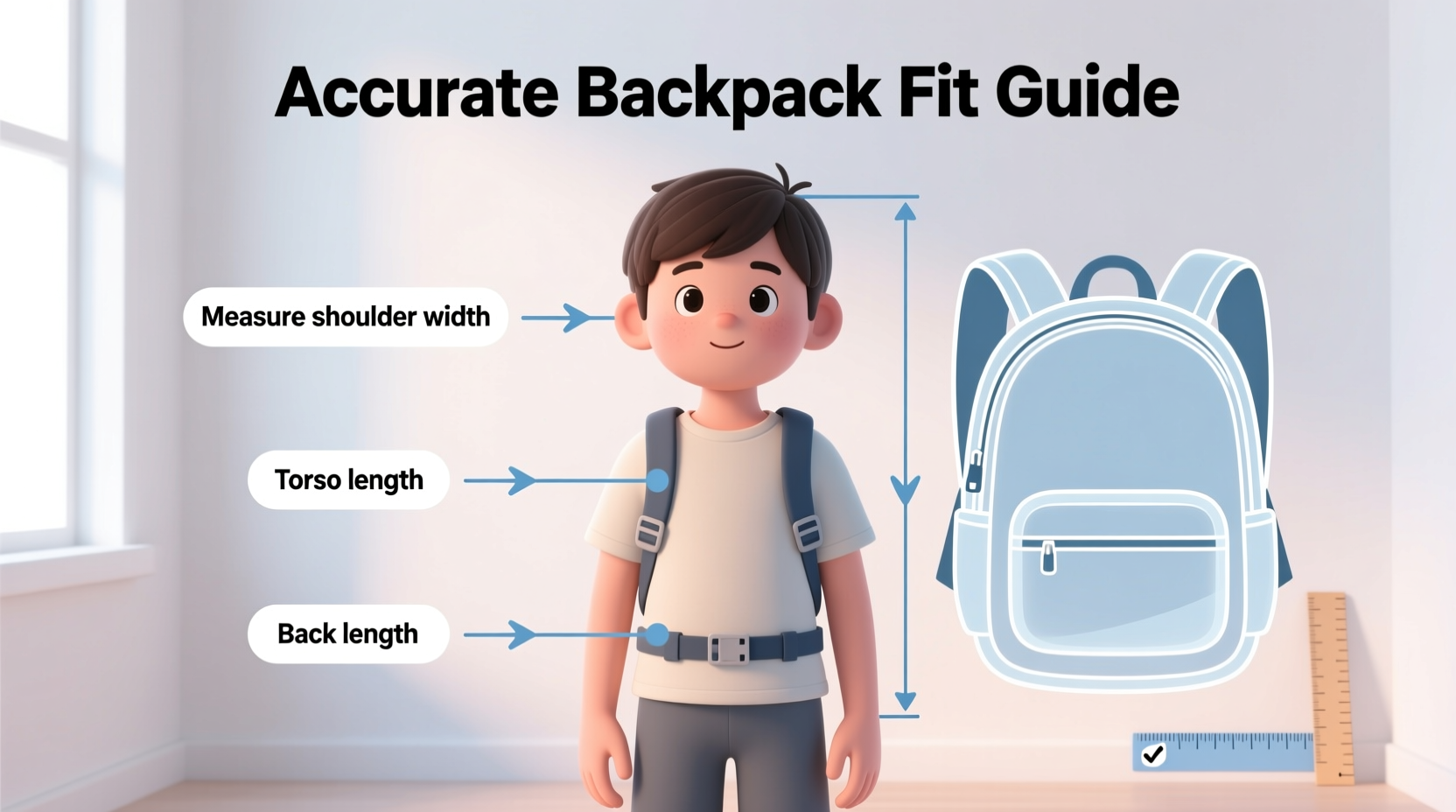
A child’s spine is still developing, making it especially vulnerable to stress from improperly carried loads. According to the American Academy of Pediatrics, backpacks should weigh no more than 10–20% of a child’s body weight. But even within that range, discomfort can arise if the backpack doesn’t align with the child’s torso length and shoulder width.
Poorly fitted backpacks often sit too high, hang too low, or dig into shoulders due to narrow straps. Over time, this misalignment may contribute to muscle imbalances and postural deviations such as forward head posture or rounded shoulders.
“Backpack fit isn’t just about size—it’s about biomechanical compatibility with the child’s growing frame.” — Dr. Lena Torres, Pediatric Physical Therapist
Step-by-Step Guide to Measuring Your Child
Accurate measurements ensure the backpack supports the torso where it needs to, distributes weight evenly, and allows full range of motion. Follow these steps carefully using a soft measuring tape and have your child stand naturally, wearing typical school-day clothing.
- Measure Torso Length: Place one end of the tape at the base of the neck (C7 vertebra—the bony bump visible when tilting the head forward). Run the tape down the spine to the top of the hip bones (iliac crest). This vertical distance is the torso length. Most children fall between 12 and 18 inches.
- Shoulder Width: Measure across the back from the edge of one shoulder to the other, just below the base of the neck. This helps determine whether standard or adjustable shoulder straps will work best.
- Chest Height: Note where the armpits fall along the torso length. This is important for positioning chest straps, which help stabilize load distribution.
- Hip Belt Position: Locate the iliac crest again. A properly designed youth backpack will have a padded hip belt that sits just above this point to transfer lower-weight burden effectively.
- Weight Check: Weigh your child. Use this number to calculate the maximum recommended backpack weight (10–15% of body weight).
Evaluating Backpack Design Against Measurements
Once you have accurate numbers, compare them against backpack specifications. Many manufacturers now list compatible torso ranges—especially in ergonomically designed models. Use the table below to assess key features based on your child’s dimensions.
| Child's Torso Length | Recommended Backpack Height | Strap Adjustability Needed | Best Fit Indicator |
|---|---|---|---|
| 12–13 inches | 14–16 inches | High (short torso requires fine-tuned adjustment) | Bottom of pack rests above hips; top stays below shoulders |
| 14–16 inches | 16–18 inches | Medium to High | Load stabilizer straps engage comfortably; hip belt wraps securely |
| 17–19 inches | 18–20 inches | Medium (standard adjustments suffice) | Straps lie flat without pulling; ventilation channels remain unobstructed |
A well-fitted backpack should rest snugly against the back, extending from an inch below the shoulders to just above the waist. If the bag hangs below the hips, it shifts the center of gravity backward, forcing the child to lean forward—a recipe for spinal fatigue.
Real-World Example: The Johnson Family Adjustment
The Johnsons bought a popular animated-themed backpack for their 8-year-old daughter, Mia. Within two weeks, she complained of shoulder soreness and started slouching. Her mother noticed the bag hung nearly six inches below her waist. Using the method described here, they measured Mia’s torso at 13.5 inches—too short for the 19-inch-tall backpack.
They exchanged it for a model designed for shorter torsos, adjusted the shoulder and sternum straps, and added a padded hip belt. After the switch, Mia reported immediate relief. Her teacher also noted improved posture during classroom activities.
Checklist: Pre-Purchase Backpack Evaluation
- ✅ Torso length matched to manufacturer’s recommended range
- ✅ Shoulder straps are padded, adjustable, and contour to the body
- ✅ Chest strap is present and easily adjustable
- ✅ Hip belt included (for children carrying over 5 lbs regularly)
- ✅ Back panel has ventilation or airflow design
- ✅ Compartments organize weight near the back (not dangling outward)
- ✅ Total loaded weight does not exceed 10–15% of child’s body weight
- ✅ Zippers and seams show durability; fabric resists tearing
Frequently Asked Questions
How do I know if the backpack is too heavy?
If your child struggles to put it on, leans forward while walking, or shows red marks on shoulders after removal, the load is likely too heavy. Weigh the fully packed backpack and compare it to 10–15% of your child’s weight. For example, a 60-pound child should carry no more than 6–9 pounds.
Can a backpack affect my child’s posture long-term?
Yes. Chronic use of an oversized or overloaded backpack can lead to muscle imbalances, altered gait, and spinal misalignment. Early intervention with proper fit and weight management reduces these risks significantly.
Do all kids need a hip belt?
Not necessarily. Younger children or those carrying light loads (under 5 pounds) may not require one. However, if the backpack exceeds 10% of body weight, a padded hip belt helps transfer weight to the pelvis—where it belongs—and relieves upper back strain.
Final Recommendations for Ongoing Comfort
Measurement is only the beginning. Encourage habits that preserve both the backpack and your child’s physical well-being. Pack heavier items closest to the back, use all compartments to avoid bulging, and inspect straps monthly for wear. Teach your child to use both straps—never sling it over one shoulder.
As your child grows, reevaluate fit twice per school year. Growth spurts can render a once-perfect backpack incompatible within weeks. Keep the measuring tape handy and treat backpack fit like shoe size: dynamic and essential to monitor.
“The right backpack doesn’t just carry books—it supports healthy development.” — National School Health Association
Take Action Today for a Pain-Free School Year
Don’t wait for complaints of pain to act. Take 10 minutes now to measure your child and assess their current backpack. With accurate data and informed choices, you can prevent discomfort before it starts. Share this guide with other parents, teachers, or PTA groups to promote healthier backpack habits in your community.




 浙公网安备
33010002000092号
浙公网安备
33010002000092号 浙B2-20120091-4
Comments
No comments yet. Why don't you start the discussion?