
Lighting plays a critical role in shaping the mood, functionality, and visual comfort of any indoor space. While many focus on bulb brightness or color temperature, few consider how the light is projected into the room. Table lamps with adjustable projection settings offer powerful control over light distribution—but only if used correctly. Whether you're reading, working, or setting ambiance, fine-tuning your lamp’s projection can dramatically improve both utility and atmosphere. This guide walks through practical steps to optimize your table lamp’s light output based on your needs.
Understanding Projection in Table Lamps
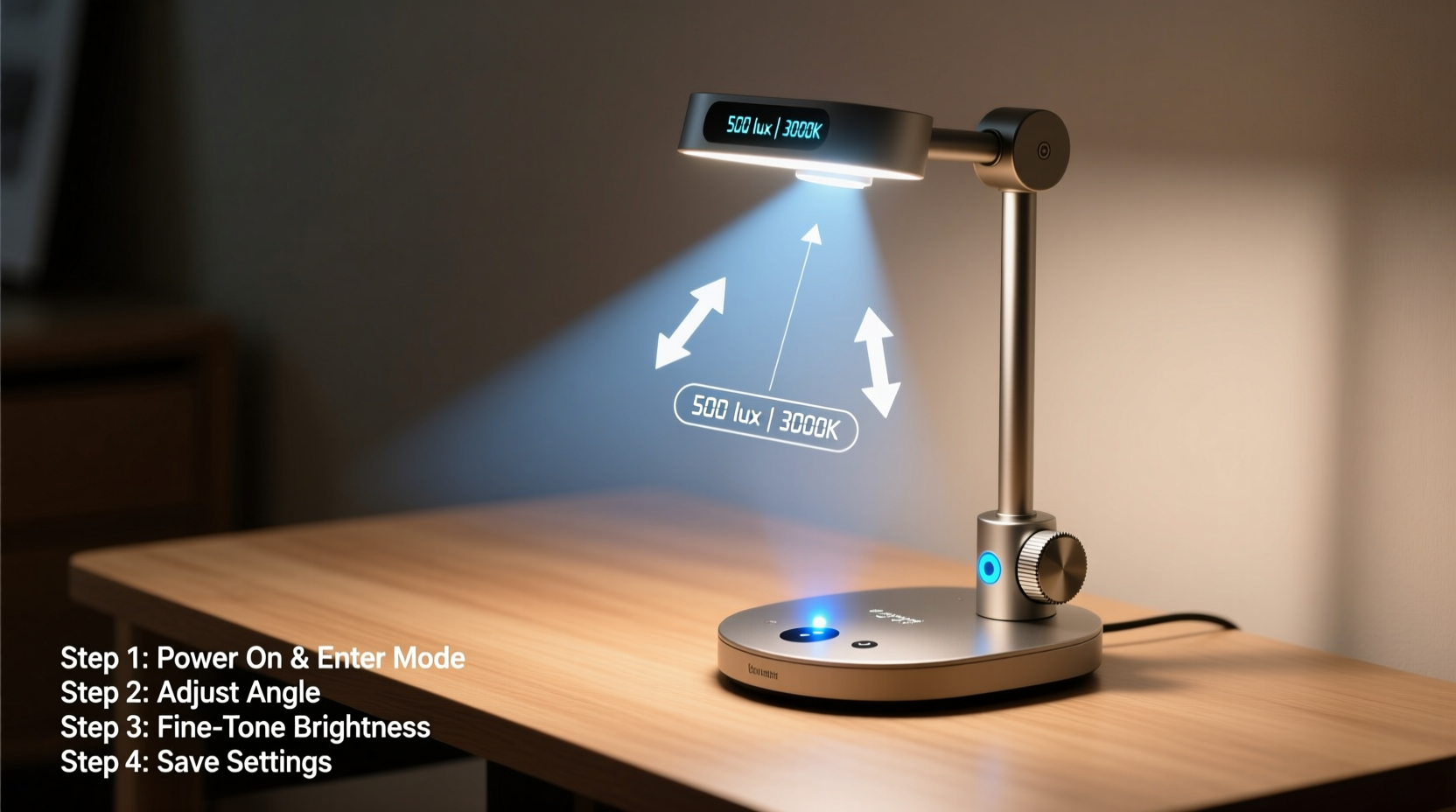
Projection refers to how light is directed from a source into a space. In table lamps, this involves the interplay between the bulb, shade, reflector, and physical orientation of the fixture. Unlike ceiling lights that flood an area uniformly, table lamps are task-oriented—they project light in specific directions to support focused activities.
Key factors influencing projection include:
- Shade angle and shape: Determines beam spread and direction.
- Bulb position: Affects shadow patterns and intensity.
- Lamp arm or neck adjustability: Allows directional control.
- Internal reflectors: Enhance or diffuse light output.
Adjusting these elements properly ensures even illumination without glare or dark spots. The goal is not just brightness, but intelligent light placement.
Step-by-Step Guide to Adjusting Projection Settings
Follow this sequence to tailor your lamp’s light projection for maximum effectiveness.
- Evaluate Your Lighting Need
Determine the primary purpose: reading, writing, ambient glow, or accent lighting. Each requires different projection characteristics. For example, reading demands focused downward light, while ambient lighting benefits from upward diffusion. - Position the Lamp Correctly
Place the lamp at shoulder height when seated, ideally 18–24 inches from your dominant eye level. This minimizes shadows and reduces strain. Position it slightly behind and to the side (left for right-handed users) to prevent hand shadows during tasks. - Adjust the Shade Angle
Tilt the shade so the bottom edge aligns horizontally with your line of sight. If the shade points too high, it causes glare; if too low, it limits coverage. Some modern lamps feature rotating or swiveling shades—use them to direct light precisely where needed. - Modify Bulb Height Within the Socket
On lamps with adjustable harps or socket tabs, raise or lower the bulb within the shade. Higher bulbs project more upward light (ideal for ambient use), while lower positions enhance downward task lighting. Never expose the bulb above the shade unless designed for it. - Reposition the Lamp Arm or Neck
Bend flexible gooseneck arms or pivot articulated joints to aim the beam. Ensure the light covers the entire work surface without spilling onto reflective surfaces like computer screens. - Use Reflectors Strategically
If your lamp has an internal reflective coating, ensure it faces inward and is clean. White or metallic linings boost output by up to 30%. For softer light, choose matte finishes that scatter rather than concentrate. - Test and Refine
Turn on the lamp and assess coverage. Hold a book or notebook in your usual workspace. Adjust until text is clearly visible without squinting or seeing halos. Repeat after dusk when ambient room light changes.
Do’s and Don’ts: Optimizing Light Direction
| Do’s | Don’ts |
|---|---|
| Align the shade parallel to your desk surface | Angle the shade upward causing ceiling glare |
| Direct light onto the task area, not your eyes | Allow direct line-of-sight to the bulb |
| Use diffusers or opaque shades for even spread | Use bare bulbs without shielding |
| Keep the lamp base stable to prevent shifting | Place on uneven or wobbly surfaces |
| Clean reflectors monthly to maintain efficiency | Ignore dust buildup inside the shade |
Real-World Example: Improving a Home Office Setup
Sarah, a freelance editor, struggled with eye fatigue after long nights reviewing manuscripts. Her vintage brass table lamp cast uneven light, leaving one corner of her desk dim while reflecting harshly off her laptop screen. She followed the adjustment steps outlined here: she lowered the bulb slightly within the shade, tilted the shade forward, and repositioned the lamp to her left rear. She also replaced the yellowed parchment shade liner with a white reflective insert. The result? A 40% improvement in usable light coverage and elimination of screen glare. Within days, she reported reduced headaches and improved concentration.
“Proper projection isn’t about more light—it’s about smarter light placement. A well-adjusted table lamp can reduce visual strain by redirecting illumination exactly where it's needed.” — Dr. Alan Reyes, Lighting Ergonomics Researcher, Institute for Human-Centered Design
Essential Checklist for Optimal Lamp Projection
Before finalizing your setup, run through this checklist:
- ✅ Lamp is positioned at proper height relative to seating
- ✅ Shade is angled to avoid direct eye exposure to bulb
- ✅ Light is focused on the task area (e.g., book, keyboard)
- ✅ No glare on screens or glossy surfaces
- ✅ Internal reflector is clean and facing inward
- ✅ Bulb is securely seated and appropriate for the fixture (wattage & type)
- ✅ Shade material diffuses light evenly (no hotspots)
- ✅ Lamp remains stable after adjustment
Frequently Asked Questions
Can I use LED bulbs to improve projection?
Absolutely. LEDs offer directional output, making them ideal for focused projection. Choose warm-white (2700K–3000K) for relaxation and cool-white (4000K–5000K) for concentration. Their low heat emission also allows closer positioning to flammable materials like paper or fabric shades.
Why does my lamp create shadows when I write?
This typically happens when the light source is too far forward or directly overhead. Reposition the lamp behind your writing hand and tilt the shade downward. Ensure the bulb is centered within the shade and not recessed too deeply.
How often should I readjust my lamp settings?
Review your setup seasonally, especially when daylight hours change. Also, reassess whenever you rearrange furniture or switch bulb types. Small shifts in environment affect light behavior significantly.
Final Thoughts and Action Steps
Optimizing your table lamp’s projection settings is a simple yet transformative practice. It bridges the gap between adequate lighting and truly functional illumination. By understanding how light moves and interacts with your space, you gain control over comfort, productivity, and aesthetic harmony.
Start today: pick one lamp in your home, apply the seven-step adjustment process, and observe the difference. Note how your eyes feel after 30 minutes of reading or how clearly you see details on your desk. Small tweaks yield measurable improvements in daily life.




 浙公网安备
33010002000092号
浙公网安备
33010002000092号 浙B2-20120091-4
Comments
No comments yet. Why don't you start the discussion?