
A well-fitted dog leash vest can transform walks from a struggle into a joyful experience for both you and your pet. Unlike traditional collars, harness-style vests distribute pressure across the chest and shoulders, reducing strain on the neck and spine—especially important for dogs prone to pulling or those with respiratory issues. But even the best-designed vest will fail if not adjusted properly. A loose fit risks escape; a tight one causes chafing, restricted movement, and discomfort. The key lies in precise adjustment tailored to your dog’s unique build. This guide walks through every step of fitting a leash vest correctly, offering actionable advice, common pitfalls to avoid, and real-world insights to ensure your dog stays safe, comfortable, and secure on every outing.
Why Proper Vest Fit Matters
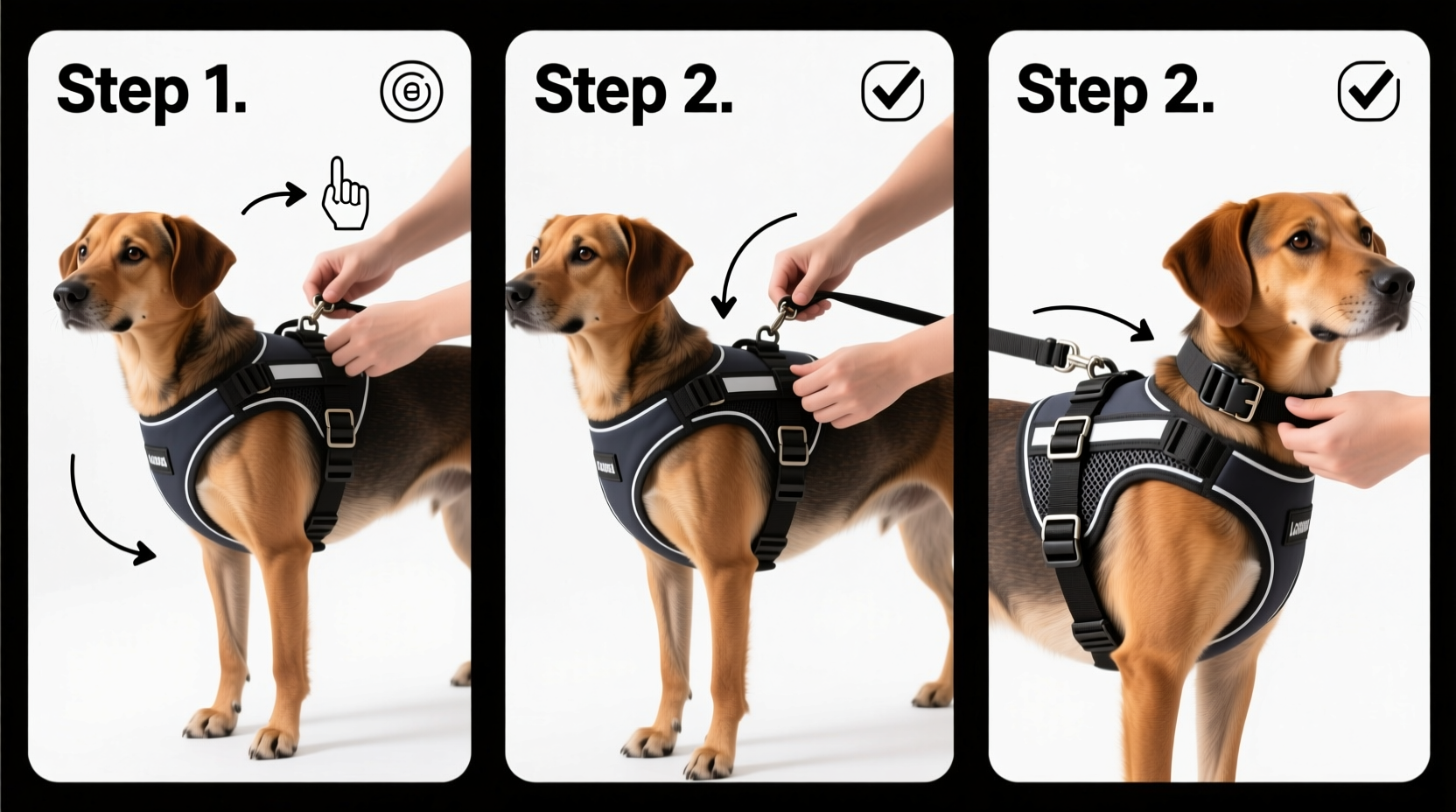
The anatomy of a dog differs significantly from that of humans, and their mobility relies heavily on unrestricted shoulder movement. A poorly fitted vest can rub against armpits, dig into the chest, or shift during activity, leading to skin irritation or reluctance to walk. More critically, an ill-fitting harness may allow escape—especially in breeds with narrow chests like Greyhounds or Whippets. Conversely, over-tightening can restrict breathing and limit stride length, causing long-term joint stress.
Veterinarians and canine physical therapists emphasize that proper equipment alignment supports healthy gait mechanics. According to Dr. Lena Torres, DVM, MS, Canine Rehabilitation Specialist:
“Harnesses are excellent tools for reducing cervical strain, but only when fitted correctly. Misalignment can lead to compensatory movements that mimic orthopedic injury over time.” — Dr. Lena Torres, DVM, MS
Step-by-Step Guide to Adjusting Your Dog Leash Vest
Fitting a dog leash vest isn’t a one-size-fits-all process. It requires attention to detail, patience, and periodic reassessment as your dog grows or changes weight. Follow these steps carefully for optimal results.
- Choose the Right Size Based on Measurements
Measure your dog’s girth (the widest part of the chest, just behind the front legs) using a soft tape measure. Refer to the manufacturer’s sizing chart. Never guess based on breed alone—individual variation is significant. - Put the Vest On Backward (If Designed That Way)
Many front-clip or no-pull vests are designed to be placed over the head first, then secured under the belly. Some models require you to slide the dog’s front legs through armholes before fastening. Always consult the instruction manual specific to your model. - Locate Adjustment Points
Most quality vests have at least three adjustable areas:- Chest strap (front closure or buckle)
- Girth strap (around the ribcage)
- Neck opening (top or back neckline)
- Adjust the Neck Opening First
The neck should allow two fingers to slide comfortably between the vest and your dog’s shoulders. Too tight restricts movement; too loose lets the dog slip out. Avoid placing pressure directly on the trachea. - Secure the Girth Strap Snugly
This is the most critical adjustment. Fasten the main body strap so it fits snugly around the chest without pinching. You should be able to fit two fingers beneath the strap vertically. If the vest rides up toward the ears or sags below the belly, readjust. - Check Leg Hole Clearance
Ensure there’s about half an inch of clearance around each leg hole. Excess fabric may bunch and cause chafing; too little can restrict stride and irritate sensitive armpit skin. - Test Mobility and Comfort
Let your dog walk, trot, sit, and lie down while wearing the vest. Watch for signs of restriction: hunched posture, dragging feet, or reluctance to move. Recheck all straps after five minutes of activity, as some materials stretch slightly under motion.
Common Fitting Mistakes and How to Avoid Them
Even experienced pet owners make errors when fitting dog vests. Awareness of these common issues helps prevent discomfort and safety risks.
| Mistake | Consequence | Solution |
|---|---|---|
| Tightening the chest strap too much to “prevent slipping” | Restricted breathing and shoulder motion | Use two-finger rule; prioritize freedom of movement |
| Ignoring neck fit because “the chest holds it in place” | Dog backs out backward or slips head free | Ensure neck opening is secure but not constrictive |
| Using same setting year-round despite weight change | Chafing or escape risk | Re-measure every 3–6 months or after seasonal weight shifts |
| Placing leash attachment behind shoulders on a front-clip vest | Defeats anti-pull design; reduces control | Match clip location to intended function (front vs. back) |
Real-World Example: Fixing Fit Issues with Max the Hound Mix
Max, a 2-year-old Treeing Walker Coonhound mix, began refusing walks after his owner upgraded to a new mesh vest. Despite being the correct size per the chart, Max would twist his body, sit abruptly, or try to rub the vest off. A visit to a certified canine fitness trainer revealed the issue: the girth strap was cinched too tightly in an attempt to stop slight shifting during sniffing bursts. The restriction limited his deep-chested frame’s expansion, making exertion uncomfortable. After loosening the main strap to allow proper lung capacity and repositioning the leg loops for better alignment, Max resumed walking enthusiastically. His owner now checks fit weekly and keeps a small wrench for quick buckle adjustments during hikes.
Essential Checklist for Perfect Vest Adjustment
Before every walk, run through this quick verification list:
- ✅ Neck opening allows two fingers to fit comfortably
- ✅ Chest/girth strap is snug but doesn’t indent skin
- ✅ No visible pinching near armpits or spine
- ✅ Leash ring sits centered either on back or sternum (depending on vest type)
- ✅ All buckles are fully engaged and webbing ends are tucked
- ✅ Dog moves freely—no hunching, limping, or excessive licking at straps
Frequently Asked Questions
How do I know if the vest is too tight?
If you cannot fit two fingers beneath any major strap, it's likely too tight. Additional signs include heavy panting without exercise, red marks on the skin after removal, or your dog yelping when the vest is put on. Persistent scratching or avoidance behaviors also indicate discomfort.
Can I leave the vest on my dog all day?
No. Vests are designed for supervised use during walks or training. Prolonged wear—even indoors—can cause moisture buildup, friction burns, and overheating. Remove the vest immediately after returning home and inspect the skin for any irritation.
My dog keeps slipping out. What should I do?
First, confirm you're using the right size and that all straps are properly tightened. Some escape-prone dogs benefit from harnesses with three-point adjustment systems or those featuring a loop that threads over the head and between the front legs. Consider consulting a professional trainer for behavioral assessment—sometimes escape attempts stem from anxiety rather than poor fit.
Final Thoughts: Safety Begins With Fit
A securely adjusted leash vest does more than prevent escapes—it enhances communication, protects your dog’s musculoskeletal health, and builds trust during walks. Taking just five extra minutes to fine-tune the fit pays dividends in comfort, safety, and shared enjoyment. Whether you’re navigating city sidewalks or exploring forest trails, a well-fitted vest ensures your companion remains confident and comfortable every step of the way.




 浙公网安备
33010002000092号
浙公网安备
33010002000092号 浙B2-20120091-4
Comments
No comments yet. Why don't you start the discussion?